Winter 2025–2026 to Bring Heavy Snowfall and Extreme Cold Across the Northern and Central U.S.
2025 winter forecast US: A new outlook warns of heavy snowfall and extreme cold in northern and central states.
Posted on 06/10/2025 at 19:17






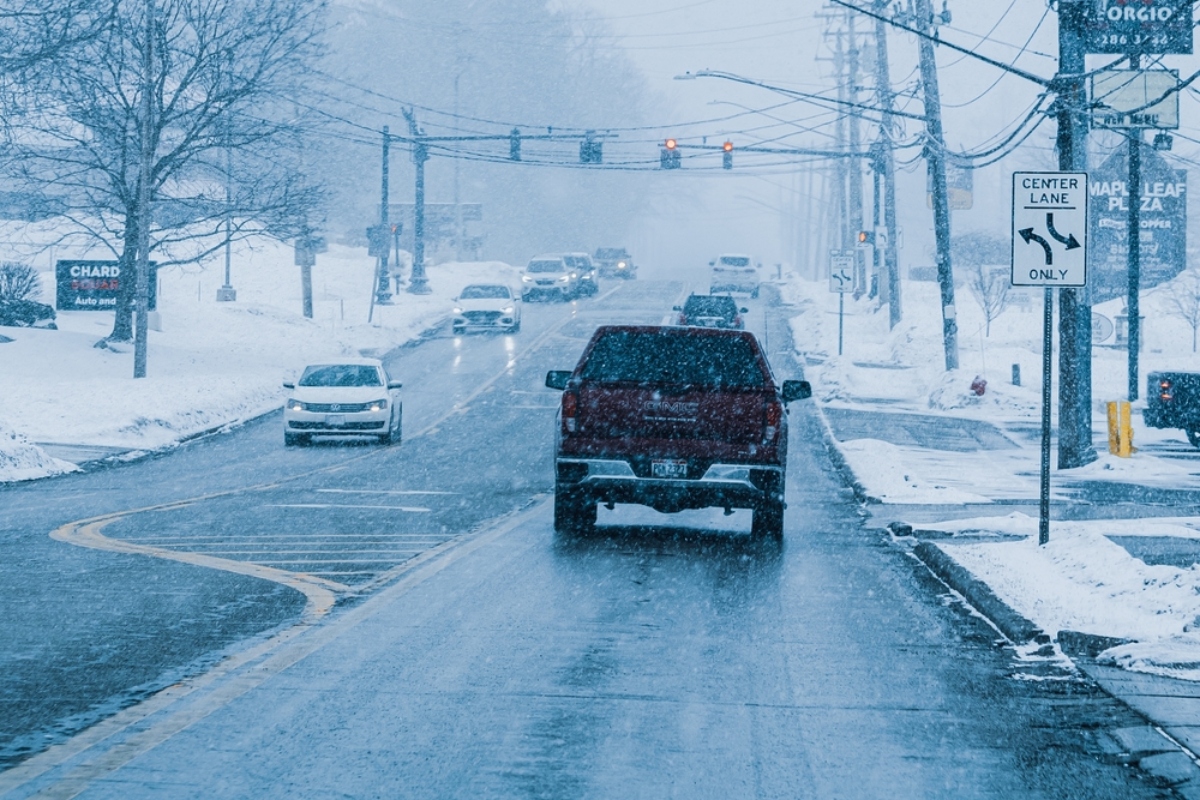
- Winter in Central US
- Heat and drought in the West
- Possible influence of La Niña
Winter is just around the corner, and meteorologists are warning that the 2025–2026 season could be one of the coldest and most active in recent years.
According to AccuWeather’s lead meteorologist, Paul Pastelok, an “intense and stormy winter” is expected across large portions of the country.
The specialist explained that the regions most affected will be the Midwest, the Great Lakes, the Ohio Valley, the Northeast, and parts of the Mid-Atlantic.
Meteorological winter begins on December 1, while astronomical winter starts on December 21, coinciding with the solstice.
Winter Systems to Generate Major Storms in Northern and Central US

The first winter systems will move in from Canada toward the east, producing strong storms and heavy snowfalls.
By the end of the season, storms could shift from the Plains toward the Appalachians, increasing overall snow accumulation.
RELATED: Exact Moment Houses Collapse in the U.S. After Hurricanes Strike
“The strongest storms will occur at the beginning and end of winter,” Pastelok noted in his forecast.
This could bring a significant rise in snow totals for cities such as Philadelphia, New York, and Boston — though still slightly below historic averages.
Abundant Snow and Deep Cold in the North and Central US
According to AccuWeather, the 2025 US winter forecast shows that Buffalo, New York, could receive between 228 and 254 centimeters of snow, close to its annual average. The Great Lakes and Arctic air will produce intense lake-effect snow events early in the season.
The Midwest and Great Lakes are expected to experience an especially active winter, with frequent storms and bursts of frigid air. States like Washington, Oregon, Idaho, and Montana will also see colder conditions and heavier snow.
Pastelok warned that energy bills could rise due to heating demand in more than a dozen states. “Cold air will settle in early in December, and although a brief thaw may come in January, the chill will return forcefully in February,” he said.
Farther south, frigid air masses will be less frequent but not absent. A late-January pattern shift could send an Arctic blast into Texas and the Gulf Coast, producing ice and snow.
West Coast: Heat, Drought, and Minimal Rain
While Northern and Central US brace for freezing temperatures this winter, the West Coast will experience the opposite. A warmer-than-average Pacific Ocean will lead to a dry, mild winter across California, Nevada, and the Southwest.
“Temperature deviations could be larger, and precipitation much lower,” Pastelok explained. He warned this could worsen drought conditions and heighten the risk of off-season wildfires.
Some storms will reach the Pacific Northwest and the Rockies in December, producing mountain snow. However, the number of atmospheric rivers will be lower than last winter, reducing overall water accumulation.
In January, southern California could receive moderate rainfall — still insufficient to alleviate drought. By February, temperatures will rise again, setting up a warm and dry pattern across much of the western US.
La Niña: The Climate Wild Card
One of the key variables that could shift the 2025 US winter forecast is the possible emergence of the La Niña phenomenon. Although not yet confirmed, it could influence storm tracks and temperature trends.
Pastelok explained that even if La Niña does not officially develop, some atmospheric patterns will behave as if it were present — meaning a warmer winter in the South and drier conditions along the West Coast.
If confirmed, La Niña would cement a season of contrasts: snow and cold in the North, heat and drought in the South. AccuWeather meteorologists will continue monitoring its evolution in the coming weeks.
For millions of Americans, the message is clear: this winter will bring opposing extremes — from blizzards in the North to warmth in the West — as the country prepares for a season defined by dramatic weather, according to AccuWeather.
 Related post