Discover 6 Tax Credits to Save Thousands of Dollars on Your 2026 Taxes
Understanding 2026 tax credits can reduce what you owe the IRS or increase your refund this tax season and help you save thousands of dollars







- 2026 tax credits reduce taxes dollar for dollar
- Key benefits are often missed due to lack of awareness
- Tax preparation increases legal refunds
The 2026 tax season can feel like an uphill battle for the working class. But the approach here insists on one key point: there are tax credits designed to ease the burden and, in some cases, increase your refund.
The problem is not that they don’t exist, but that many people fail to claim them due to lack of knowledge, errors, or missing documents. That’s why the goal is to clearly explain six key credits without technical jargon.
2026 Tax Credits: What You Need to Know
The foundation of this guide is simple: don’t leave money on the table. In many households, every dollar matters to pay off debt, rent, food, or child care.
Reviewing credits carefully can mean a difference of hundreds or even thousands of dollars. And doing it legally, using information from the Internal Revenue Service, reduces risk.
Tax Credit vs. Deduction
A tax credit is not the same as a deduction.
A deduction reduces the income on which taxes are calculated, while a credit directly reduces the amount you owe, dollar for dollar. That difference explains why credits are often more powerful.

In addition, some credits are refundable. That means you could receive money even if your tax bill drops to zero.
For workers with low or moderate incomes, that feature can be decisive. That’s why it’s important to review eligibility every year.
YOU MAY BE INTERESTED IN: Social Security Retirement Checks of $2,013.32 Will Arrive on January 21
The Most Well-Known Credits—But Not Always Used Correctly
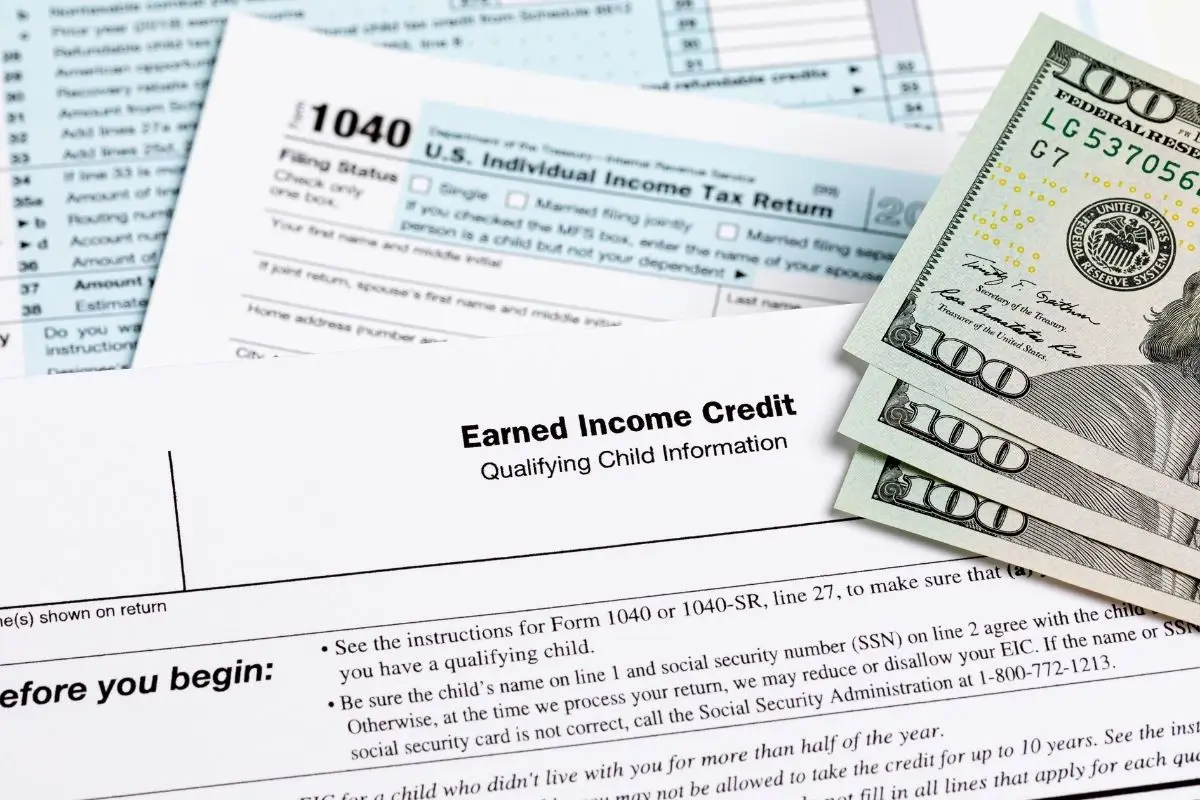
1. Earned Income Tax Credit (EITC)
This credit is aimed at workers with low or moderate incomes. It applies to people with children and also to those without children, although with different requirements and amounts.
It is especially important because it can increase your refund. Many people qualify without realizing it, which is why reviewing eligibility before filing is recommended.
2. Child Tax Credit (CTC)
This credit helps working families with qualifying children. It directly reduces the taxes you owe.
It is one of the most widely known credits, yet it is still often claimed incorrectly or missed due to errors. For many households, it represents significant annual relief.
Other Tax Benefits You Shouldn’t Miss
3. Additional Child Tax Credit (ACTC)
This is the refundable portion of the Child Tax Credit. As explained, if the Child Tax Credit reduces your tax bill to zero, you may still receive part of it as a refund.
This is especially relevant for workers who owe little tax but meet the requirements. Not reviewing it can mean losing legitimate money.
4. Child and Dependent Care Credit
This applies to people who paid for care in order to work or look for work. It can include daycare, babysitters, or other eligible care for dependents.
It is key for parents who balance work and family responsibilities. Many fail to claim it due to lack of awareness or missing documentation.
Health and Retirement Credits Can Also Lower Your Tax Bill
5. Premium Tax Credit for Health Insurance
This credit is for people who purchased insurance through the Marketplace. It helps cover part of the cost and can affect the final outcome of your tax return.
It can result in a refund or an adjustment depending on whether you received advance payments during the year. Reviewing it carefully helps avoid surprises.

6. Retirement Savings Credit
This credit benefits workers who contributed to an IRA, a workplace retirement plan, or other eligible retirement accounts.
Even small contributions can reduce your tax bill. It is designed to reward the habit of saving, even with modest incomes.
Ignoring it means missing out on a benefit created to encourage financial stability.
Impact on Latino Households and the Next Step
In many Latino households, work, children, and support for relatives go hand in hand. These 2026 tax credits can help cover basic expenses, pay down debt, or begin saving with greater peace of mind.
However, they are also commonly missed due to filing errors or missing paperwork. That’s why the practical recommendation is to organize documents in advance.
The IRS explains that these 2026 tax credits are intended to ease the tax burden on workers and families. It also recommends reviewing eligibility every year because income, marital status, or family circumstances can change.
The next step is clear: review each credit, confirm requirements, and file with proper documentation. With preparation, 2026 can end with less stress and more real money in your pocket.
 Related post