ICE can ask where you were born: when to answer and when not to
ICE can ask where you were born during an immigration encounter. Learn what the law says and when you have the right to remain silent.
Posted on 20/12/2025 at 17:01






- ICE can ask about birthplace
- Remaining silent is legal
- Detention is still possible
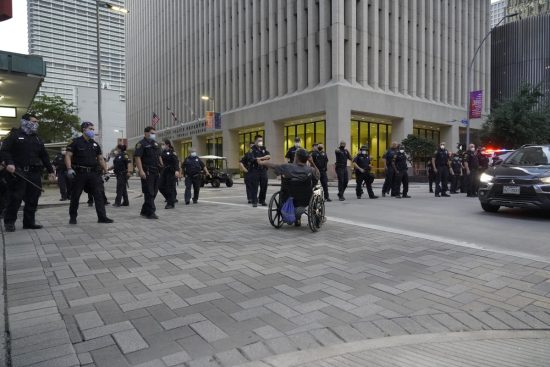
According to reporting by Univision, ICE can ask where you were born during a public encounter or a detention, as the law allows agents to ask general questions that are not directly tied to immigration status.
Authorities consider this question part of a legal process upheld by courts, which allows agents to gather contextual information when evaluating possible immigration-related suspicion.
Experts note that place of birth alone is not determinative, but rather one additional element within a broader assessment carried out by immigration officers.
Although the question can cause fear, simply being asked does not automatically imply detention or confirm an irregular immigration status in the United States.
What is reasonable suspicion?

Reasonable suspicion is a legal standard that allows authorities to act when there are objective indicators suggesting a possible immigration violation.
Immigration and Customs Enforcement (ICE) maintains that its agents analyze multiple factors together before deciding whether a person should be detained or investigated further.
These elements include the context of the encounter, observed behavior, and information obtained through questions permitted by law.
Critics warn that this standard could open the door to discriminatory practices, although the government rejects claims that enforcement is based solely on racial profiling.
ICE can ask where you were born — and your rights

ICE can ask where you were born, but no one is legally required to answer that question or any others during an immigration encounter.
The right to remain silent is protected by the Constitution and can be exercised without having to explain the reason to the officer.
Attorneys clarify that refusing to answer is not a crime and does not eliminate legal rights during an interaction with immigration authorities.
However, authorities acknowledge that silence may be interpreted as one more factor within the overall immigration assessment.
Legal recommendations during immigration encounters
Specialists recommend staying calm, not running, and maintaining a respectful attitude during any interaction with federal immigration agents.
If a person is a U.S. citizen or a lawful permanent resident, they may state this clearly and directly to the officer.
In such cases, the agent may request documentation or verify the information provided before proceeding.
Knowing basic rights allows individuals to make informed decisions and reduce risks during encounters with ICE in public or private spaces.
Legal debate and community concern
ICE practices continue to generate legal and political debate, particularly due to their impact on immigrant communities and perceptions of everyday safety.
Civil rights organizations warn that seemingly neutral questions can lead to detentions based on appearance, accent, or assumptions about a person’s origin.
The government maintains that its actions comply with the current legal framework and that agents are instructed to evaluate multiple factors together.
As the debate continues, understanding individual rights remains a key tool for navigating encounters with immigration authorities in an informed way.
 Related post