This Is the Method ICE Uses to Track Migrants’ Cars in the U.S.
The Immigrant Defense Project warns that ICE uses Automated License Plate Readers (ALPRs) to track migrants.
Posted on 13/11/2025 at 16:45






Publicado el 13/11/2025 a las 16:45
- ICE Tracks Migrants’ Cars
- License Plate Readers Monitor Movements
- Flock Safety Suspends Federal Cooperation
The Immigrant Defense Project (IDP) warns in its latest report that U.S. Immigration and Customs Enforcement (ICE) uses Automated License Plate Readers (ALPRs) to monitor migrants’ vehicles.
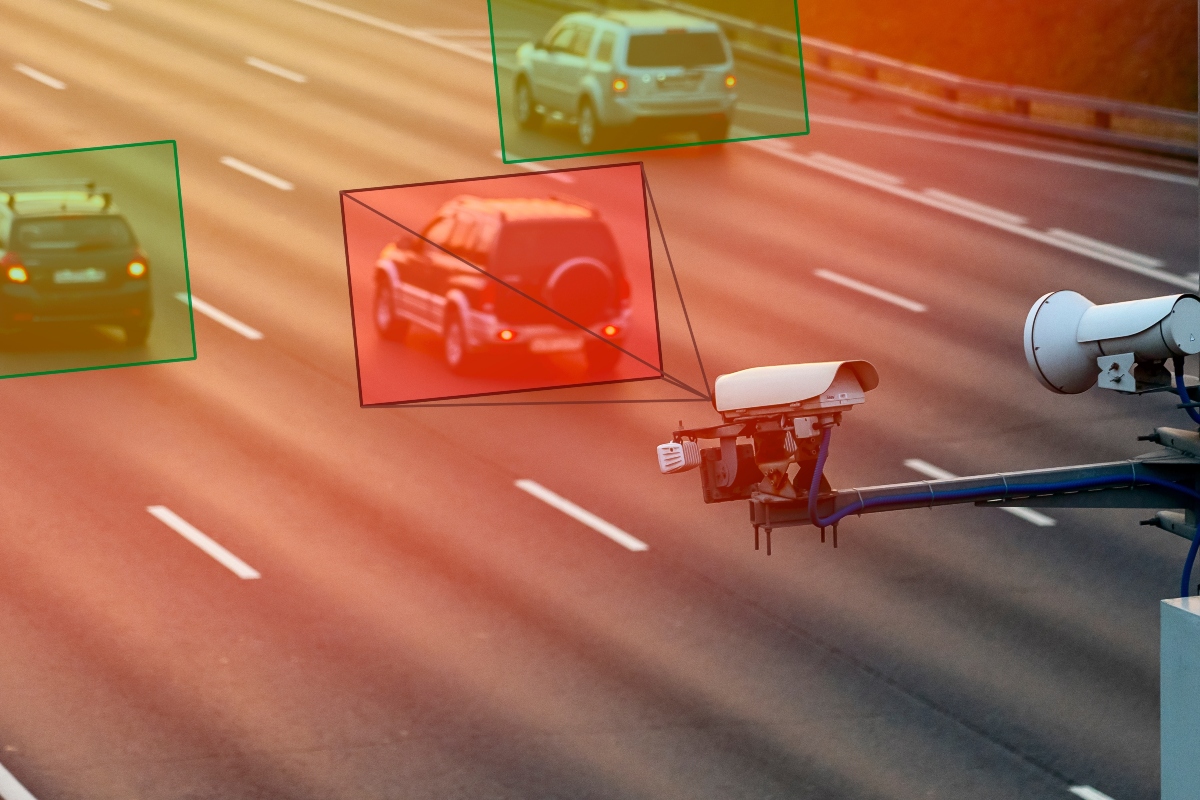
These devices, which capture images of license plates in public spaces, have been installed on traffic lights, poles, highways, parking lots, and even on police patrol vehicles.
According to the IDP, the cameras send the information to databases used by both law-enforcement agencies and private companies.
ICE and the Use of Automated License Plate Readers
#Mundo | ICE adopts new technology to track migrants’ cars in the United States https://t.co/DsnQrzOctM
— Revista Semana (@RevistaSemana) November 11, 2025
From those records, ICE can identify the vehicle’s owner and track their movements, according to La Nación.
The report indicates that with this data, the agency can reconstruct a vehicle’s usual routes, including the places where a person lives or works.
In some cases, the tracking can reveal personal or family relationships, increasing the level of surveillance on migrant communities.
A Silent Tracking Network
🚨ICE has begun using various tools to increase its number of arrests, including Automated License Plate Readers (ALPRs). These readers are installed in multiple public locations.⤵️ pic.twitter.com/tJsV9m27nk
— MIGRA LEGAL USA 🇺🇸 (@migralegalusa) November 11, 2025
The Immigrant Defense Project explains that the Automated License Plate Readers system functions as a permanent monitoring network.
“If you have a car registered under your name or address, ICE can track you using the plate number of your vehicle.
It can also determine where you drive that car and your relationships with other people,” the organization states.
Reports received by the IDP in New York show that in recent years the agency has accessed state vehicle-registration data to follow cars and the individuals who own or operate them.
The system turns the license plate into a kind of digital trail that allows ICE to reconstruct patterns of movement and location.
With this capability, ICE not only collects information about addresses or owners but can anticipate daily routines, raising concerns about privacy violations and discretionary use of this data.
Company Suspends Cooperation With Federal Agencies

In August, the Associated Press reported that Flock Safety — one of the main operators of automated license-plate readers — suspended its collaboration with federal agencies due to criticism over the purpose of its pilot programs.
The company halted its projects with Customs and Border Protection (CBP) after an audit revealed unauthorized access to plate data in Illinois.
Illinois Secretary of State Alexi Giannoulias said the data sharing violated state privacy laws.
Flock Safety stated it found no evidence of immigration-related searches but acknowledged that the parameters for federal access were unclear.
The company announced new safeguards: all federal queries must be specifically identified, and broad statewide or nationwide searches will be prohibited.
Only individual investigations coordinated with local law-enforcement agencies will be permitted.
With this decision, Flock Safety aims to limit the scope of Automated License Plate Readers use and address concerns over mass surveillance, privacy, and possible abuses within immigration-enforcement programs.
 Related post