Trump Revives Plan to Deny Green Cards Over Use of Public Benefits
The new public charge proposal pushed by the Trump administration would allow denial of permanent residency to low-income immigrants.
Posted on 20/11/2025 at 22:22






Publicado el 20/11/2025 a las 22:22
- Trump revives public charge proposal
- New proposed immigration rule
- USCIS tightens permanent residency reviews
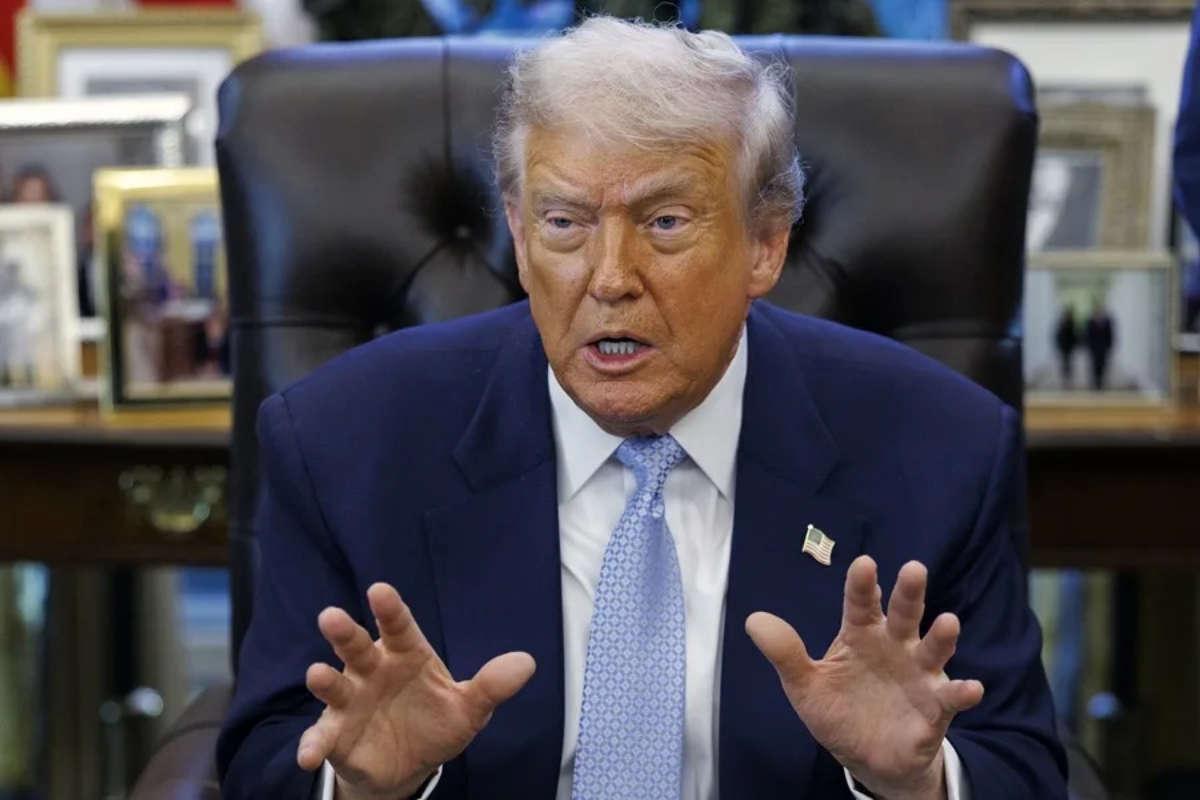
According to EFE, the Trump administration has proposed changes that would allow permanent residency to be denied to applicants who could be considered an economic burden on the United States.
The initiative revives one of the most controversial policies implemented during his previous term.
USCIS submitted the formal proposal to repeal the public charge rule established in 2022 under the Biden administration.
The change seeks to strengthen officers’ discretion when assessing each applicant’s ability to be financially self-sufficient.
Direct impact of the new public charge rule
Ver esta publicación en Instagram
The new policy does not replicate the 2019 version exactly, but it maintains a restrictive focus toward low-income immigrants.
The measure would allow USCIS to deny residency to applicants who have received food assistance, medical benefits or housing support.
Many families had already avoided enrolling their U.S.-born children in benefits during Trump’s previous administration.
USCIS noted that it will issue future guidelines clarifying which programs will count toward the public charge determination.
Reactions and criticism of the proposal

Immigrant advocacy organizations described the proposal as harmful to the health and economic stability of millions.
Adriana Cadena warned that the measure creates confusion and discourages the use of essential services.
The activist also cautioned that the rule could affect U.S. citizens who are legally entitled to medical assistance.
Renee M. Willis urged Congress to reject the proposal due to its social and legal consequences.
Long-term effects of the public charge policy
The proposal adds to new immigration restrictions that would allow denial of visas to people with chronic illnesses.
An analysis by KFF showed that earlier versions of the rule caused major drops in Medicaid and CHIP enrollment.
Between 2 and 4.7 million participants may have left those programs due to immigration-related fears.
A recent survey revealed that many immigrants remain unaware of the true scope of these rules.
 Related post