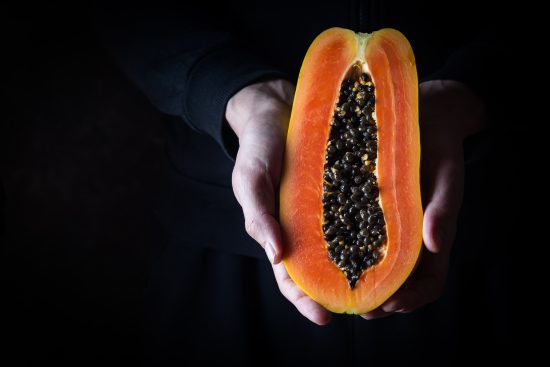
Papaya for Fatty Liver? See What This Amazing Fruit Can Do for Your Body!
Discover how papaya for fatty liver may support liver health thanks to its antioxidants and natural benefits.
Posted on 19/12/2025 at 12:35






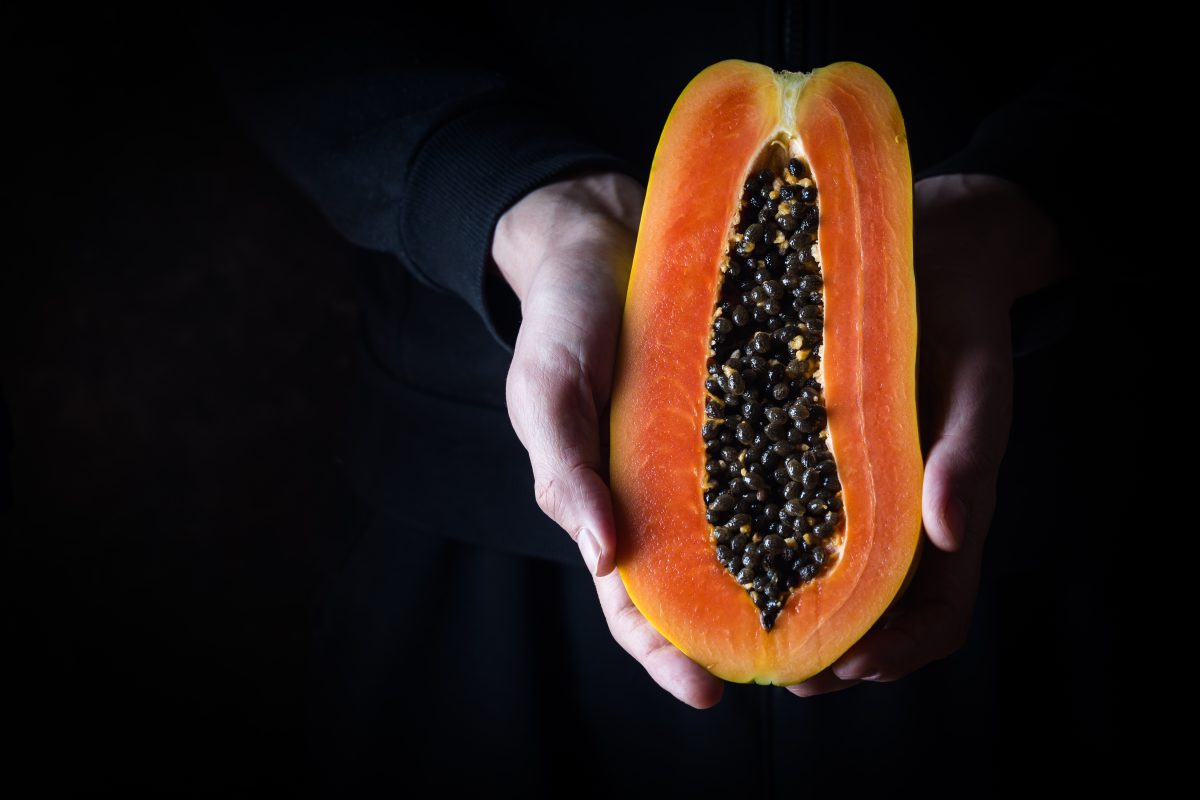
- Papaya for fatty liver
- Papaya’s antioxidant benefits for liver health
- Seeds that help reduce inflammation
Non-alcoholic fatty liver disease has become an increasingly common condition worldwide.
Amid this growing concern, papaya has emerged as a fruit with promising effects for protecting and improving liver health.
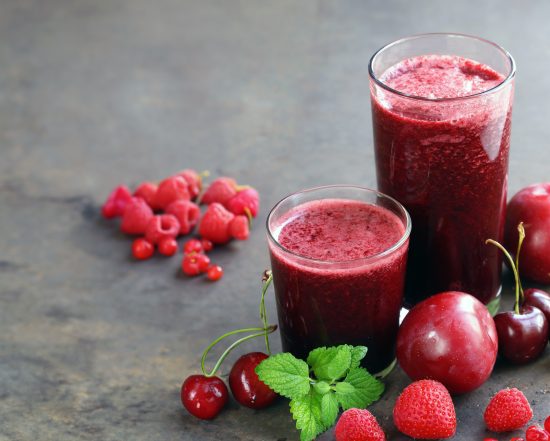
Various animal studies and nutritional reviews have revealed that not only the pulp, but also the juice and even the seeds of papaya contain key compounds capable of reducing inflammation, improving fat metabolism, and supporting detoxification processes.
Below is a complete guide to understanding how papaya for fatty liver can become a natural ally for your well-being.
Using Papaya for Fatty Liver: A Natural Ally for Your Health

1. A Revealing Study: Benefits of Papaya Juice for Fatty Liver
Researchers at Naresuan University conducted an experiment on obese rats to analyze whether papaya could protect the liver during a high-fat diet.
What did they find?
Rats that received higher doses of papaya juice showed:
- Less accumulation of fat in the liver
- Lower triglyceride and cholesterol levels
- Reduced inflammatory markers, such as interleukin-6
- Improved antioxidant balance, thanks to enzymes like catalase
A key finding: although liver weight did not change, liver function improved significantly.
This discovery opens the door to considering papaya for fatty liver as a useful complement within a balanced diet.
2. Natural Antioxidants: Papaya’s Protective Shield
Papaya is rich in antioxidants such as vitamin C, beta-carotene, and various flavonoids.
These compounds help to:
- Reduce oxidative stress, one of the factors that accelerates liver damage
- Protect liver cells from toxins and free radicals
- Promote a more controlled inflammatory response
Simply put, adding papaya to your diet may create a less inflammatory environment for your liver.
3. Support for the Body’s Detoxification Process
Thanks to enzymes such as papain and chymopapain, papaya:
- Improves protein digestion
- Reduces digestive strain on the liver
- Contributes to better waste elimination
This is especially beneficial for people with insulin resistance or other conditions commonly associated with fatty liver disease.
4. What About Papaya Seeds? A Little-Known Ally

According to recent analyses, papaya seeds:
- Contain antioxidants and anti-inflammatory compounds
- Support digestion and help eliminate toxins
- Provide fiber, which regulates intestinal transit and reduces toxic load on the liver
Recommended dose:
Between 5 and 10 seeds per day, for cycles of 7 to 10 days, followed by a break
How to consume them:
- Chewed on an empty stomach
- Blended into water or juice
- Dried and ground over salads
Precautions:
- Avoid during pregnancy
- Do not consume if you have severe gastritis, ulcers, or inflammatory bowel disease
- Do not combine with blood thinners without medical supervision
5. How to Include Papaya in Your Diet to Fight Fatty Liver
A small bowl in the morning is an excellent option
Combine papaya with leafy greens, fatty fish, or whole grains
Avoid foods that worsen the condition, such as:
- Fried foods
- Sugary beverages
- Refined flours
- Excess salt
Moderation and consistency are key when using papaya for fatty liver.
6. What Science and Specialists Say

Animal studies show positive results, but findings are not yet conclusive in humans.
Papaya does not replace medical treatments, but it can provide valuable support as part of a well-designed nutritional plan.
Its low-calorie, high-fiber nutritional profile makes it one of the most recommended fruits for people with fatty liver concerns.
You May Be Interested In: Essential Tips for Buying Affordable Thermal Clothing and Staying Safe This Winter!
Papaya—whether consumed as pulp, juice, or seeds—offers multiple benefits that may help reduce liver fat, improve inflammation, and promote better liver function.
While its effects are promising, it should be incorporated into a balanced and supervised dietary plan.
Disclaimer: This information is for educational purposes only and does not replace professional diagnosis or treatment. Always consult a healthcare specialist before changing your diet or regularly consuming papaya seeds or juice.
Have you tried including papaya regularly in your diet? Do you think it could support your liver health?
SOURCE: Infobae / Continental Hospitals / El Tiempo – “Papaya seeds for the liver: how many to consume daily and how they help liver regeneration”
 Related post