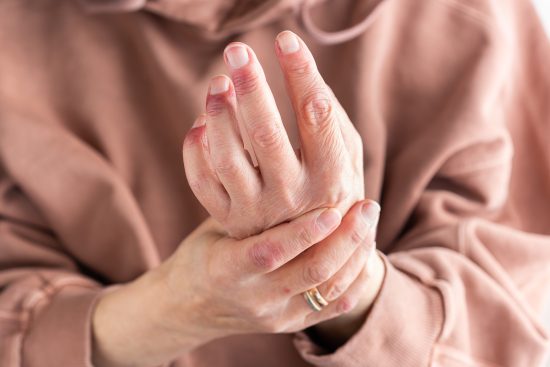
What Is Sciatica and Why Does It Hurt So Much? Possible Solutions Recommended by Experts!
Discover what sciatica is, how it manifests, and what options exist to relieve pain and improve your quality of life.
Posted on 02/01/2026 at 22:51






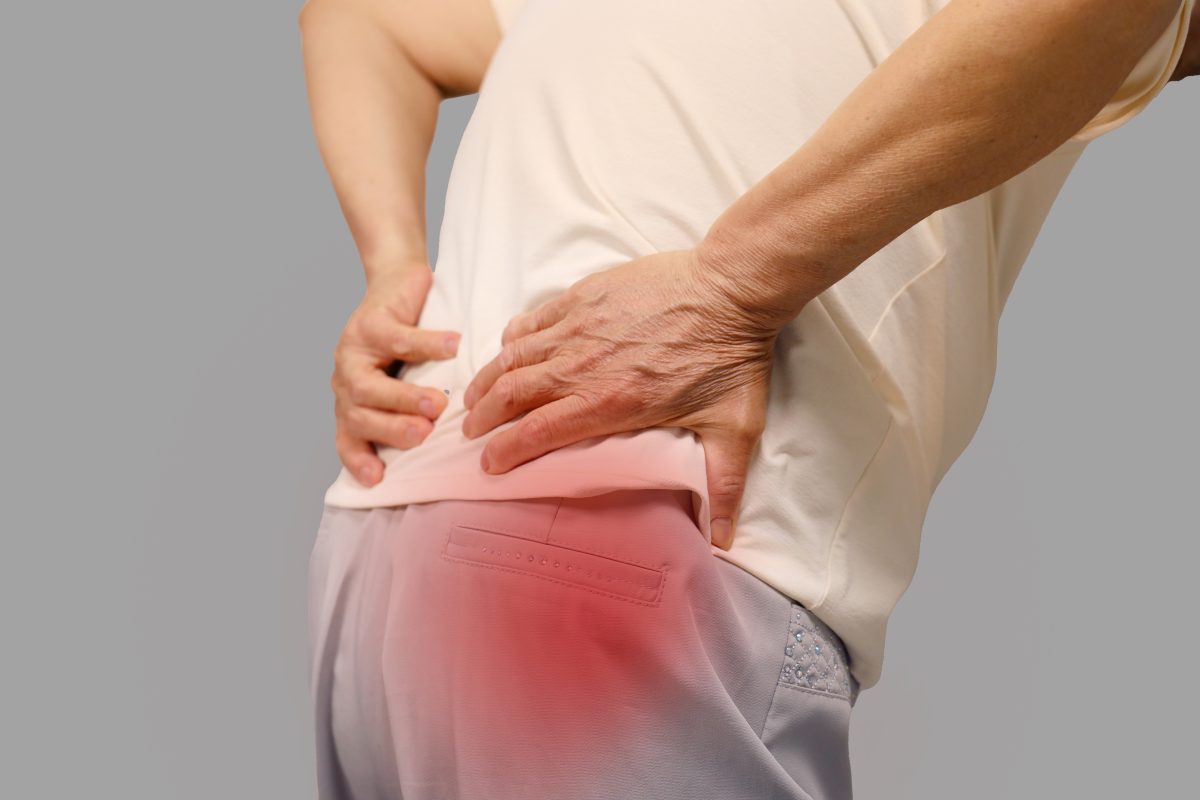
- Sciatica: pain caused by a compressed nerve
- Affects the lower back and leg
Often improves without surgery
Sciatica is one of the most common causes of pain affecting the lower back and radiating down one leg.
Although it is often called a “disease,” it is not one. It is a symptom indicating that the sciatic nerve is being compressed or damaged by another health condition.
Recognizing its warning signs and knowing how to respond can make a significant difference in quality of life.
Sciatica: What It Is, Why It Happens, and How to Relieve Symptoms

What Exactly Is Sciatica?
Sciatica presents as pain, weakness, numbness, or tingling in the leg—usually on only one side of the body.
This pain occurs when the sciatic nerve, the longest nerve in the human body, becomes irritated or compressed.
The sciatic nerve:
- Originates in the lower back
- Passes through the buttocks
- Runs along the back of the leg
- Extends down to the sole of the foot
Because of its length, when it is affected it can cause discomfort ranging from the lower back to the toes.
Main Causes of Sciatic Pain
Pressure on the sciatic nerve can result from several conditions. The most common include:
- Herniated or slipped disc pressing directly on the nerve
- Spinal stenosis, a narrowing of the spinal canal
- Piriformis syndrome, when a deep gluteal muscle becomes inflamed and compresses the nerve
- Pelvic injuries or fractures
- Tumors affecting the spine or pelvic area
- Spondylolisthesis, when one vertebra slips over another
Men between the ages of 30 and 50 are at higher risk of developing sciatica.
How Sciatica Feels and Why It Can Be So Limiting

Sciatic pain does not feel the same for everyone.
It may appear as:
- Mild tingling
- Dull, persistent pain
- A burning sensation
- Intense pain that restricts movement
Numbness and muscle weakness in the affected leg may also occur. In some cases, the foot may “drag” while walking, increasing the risk of falls.
Pain often worsens:
- When sitting or standing for long periods
- At night
- When sneezing, coughing, or laughing
- During physical exertion
- When walking long distances, depending on the cause
Diagnosis and Medical Evaluation
Diagnosis usually begins with a physical exam in which a healthcare provider evaluates muscle strength, reflexes, sensation, and mobility.
Imaging tests are not always necessary and are typically ordered only if the pain is severe or long-lasting.
Most Common Treatments for Sciatica Pain Relief
In most cases, surgery is not required.
Treatment is usually conservative and may include:
- Over-the-counter pain relievers
- Ice application during the first few days, followed by heat
- Early exercises to strengthen the back and core
- Temporary reduction in physical activity
- Physical therapy to learn appropriate exercises
Fast Relief: What May Help in the Moment
Some strategies can provide quick, temporary relief:
- Short periods of rest
- Gentle, low-impact exercises
- Walking at a slow pace
- Swimming or staying in water
- Cold or warm compresses
- Massage of the buttocks, legs, and lower back
- Acupuncture in some cases
- Prescription medications or injections, under medical supervision
Prognosis and Prevention
Sciatica often improves over time, though it may recur.
Prevention focuses on maintaining a strong back, avoiding prolonged positions that put pressure on the buttocks, and strengthening abdominal muscles—especially with aging.
Sciatica can be painful, frustrating, and limiting, but understanding why it occurs and how it manifests is the first step toward managing it effectively.
In many cases, relief comes through conservative measures and daily routine adjustments, as long as the underlying cause is identified and medical guidance is followed.
Listening to your body, not ignoring persistent pain, and acting early can help reduce the impact of sciatica on everyday life and support long-term sciatica pain relief.
You May Be Interested In: Do You Have Severe Menstrual Pain? It Could Be Endometriosis!
Disclaimer: This content is for informational and educational purposes only. It does not replace professional medical diagnosis, advice, or treatment. If you experience severe pain, persistent symptoms, or worsening discomfort, consult a doctor or healthcare specialist.
Have you ever experienced sciatic pain, and what has helped you the most?
SOURCE: MedlinePlus / Harley Street Specialist Hospital – “12 ways to relieve sciatica in 8 minutes (or less)”
 Related post