January Payment Dates and Changes to Food Stamps: What You Need to Know!
SNAP food stamp payments for 2026 maintain state-based schedules, but come with new restrictions and warnings about federal funding.







- State payment dates for food stamps
- Changes to allowed foods
- Risk of federal funding cuts
The Supplemental Nutrition Assistance Program, known as SNAP, continues to be a key source of support for thousands of low-income families in the United States.
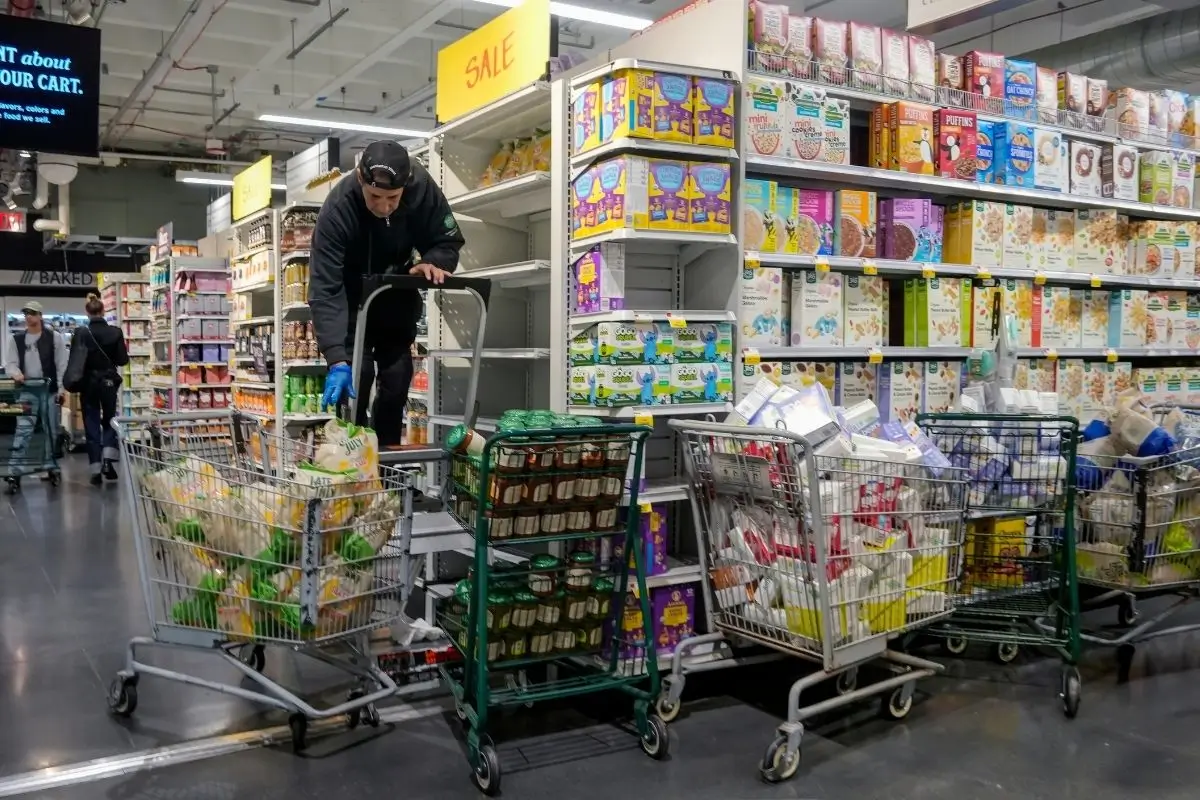
During January, beneficiaries receive their funds through the EBT card, which can be used at authorized stores to purchase food.
However, this month brings not only the usual payment schedule, but also warnings about significant upcoming changes.
In addition, the federal administration has raised the possibility of funding cuts, generating concern in several states.
SNAP food stamp payments 2026: Key dates
Although SNAP is funded by the federal government, each state manages its own payment schedule.
This means deposits do not arrive on the same day for all beneficiaries.

- States such as California, Colorado, and Connecticut issued payments between January 1 and January 10.
- In Florida and Texas, benefits are distributed between the 1st and the 28th of the month, while Illinois and Washington issue payments through the 20th.
Current restrictions and new changes to food stamps
The USDA reminds recipients that SNAP benefits cannot be used to purchase products such as tobacco, alcohol, or non-food items.
In addition, new regulations will take effect starting April 1, 2026.
These rules will prohibit the use of food stamps to purchase candy, chewing gum, and beverages with more than 5 grams of added sugar.
Beverages with artificial sweeteners will also be excluded, a change that is already generating debate.
Warning over possible federal funding cuts
The administration of President Donald Trump has warned several states about the risk of losing federal SNAP funds.
According to reports, the conflict stems from some states’ refusal to provide detailed beneficiary data.
The requested information includes immigration status, under the argument of combating fraud.
Several Democrat-led states have filed lawsuits to block this requirement.
What the USDA says
The Department of Agriculture has defended the measure as an effort to protect the program.
“The USDA created a SNAP integrity team to analyze data and put an end to widespread fraud,” a spokesperson told Newsweek.
According to the agency, 28 states and Guam have cooperated with the initiative.
In contrast, states such as California, New York, and Minnesota continue to oppose data sharing.
YOU MAY BE INTERESTED IN: Discover the Refund Checks and Financial Assistance You Can Apply for This Month!
Uncertainty for beneficiaries
As the political debate continues, millions of families remain dependent on these resources to meet their basic food needs.
The announced changes and the threat of funding cuts are creating uncertainty about the program’s future.

For now, the January payment schedule remains unchanged.
However, decisions made in the coming months could redefine access to SNAP across the country.
 Related post