6 Surprising Natural Antibiotics: Fight Infections Effectively!
Discover effective natural antibiotics to combat common infections safely and backed by scientific evidence.
Posted on 18/07/2025 at 17:51






Publicado el 18/07/2025 a las 17:51
- Natural Antibiotics: Honey for wound healing
- Garlic with antibacterial effect
- Ginger fights infections
Natural antibiotics do not replace professional medical diagnosis or treatment.
But certain ingredients have shown proven antimicrobial properties in studies.
Here are six of the most popular and scientifically supported natural options.
Natural Antibiotics: Allies Against Infections

1. Medicinal Honey: A Protective Barrier
Honey isn’t just a sweetener.
Its medicinal use is backed by research confirming its ability to fight infections and keep wounds moist and protected.
Especially Manuka honey has shown a remarkable antibacterial effect.
What does it fight?
- Post-surgical wound infections
- Skin ulcers and burns
- Eye diseases and oral mucosal infections
The antibacterial power lies in raw, unheated honey, as heating destroys its active compounds.
Although it can be used in medical contexts, it’s always wise to consult a professional before using it at home.
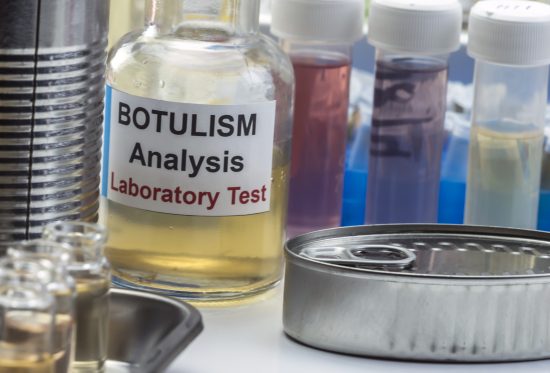
Also, honey should never be given to children under one year old due to the risk of botulism.
2. Garlic: The Classic Natural Antibiotic
Garlic is one of the most famous traditional remedies.
Its antibacterial effect comes from compounds like allicin, ajoene, and allyl sulfide.
It has been studied in multiple forms: oils, powders, and extracts.
Which bacteria can it fight?
- Klebsiella pneumoniae
- Escherichia coli (E. coli)
- Staphylococcus aureus (S. aureus)
There’s even research into its potential against certain bacterial ear infections.
It can be consumed fresh, in capsules, or as extracts, but caution is necessary because it may increase the risk of bleeding and interact with certain medications.
YOU MAY BE INTERESTED IN: Take Care of Your Pancreas: 7 Things You’re Doing That Put It at Risk, According to New Studies
3. Ginger: Broad-Spectrum Antimicrobial
Ginger isn’t just for tea.
Its compounds have activity against a wide range of microorganisms.
What does it fight?
- Bacteria causing periodontal disease
- E. coli
- Staphylococcus infections
It’s available as extracts, oils, capsules, candies, and beverages.
It should not be given to children under 2 years old, and adults should not exceed 4 g per day (or 1 g if pregnant).
4. Oregano: Powerful in Oil Form
Oregano essential oil is famous for its antibiotic effect thanks to carvacrol, a compound that destroys bacteria.
Some studies suggest its effectiveness against oral bacteria that cause cavities.
What does it fight?
- Streptococcus mutans
It can be found in supplements and essential oils, although evidence on optimal doses and uses is still limited.
Using essential oils always requires caution and, if possible, professional guidance.
5. Clove: Eugenol Against Bacteria

Clove, well-known in cooking and dentistry, contains eugenol, a powerful antibacterial compound.
Studies show its essential oil fights:
What does it fight?
- Staphylococcus aureus
- Escherichia coli
Although it looks promising as a future alternative to antibiotics, more human research is needed to determine how best to use it and in what doses.
6. Turmeric: A Natural Ally Against Bacteria
Turmeric isn’t just for adding color to food. Recent research highlights its antibiotic potential by inhibiting the growth of common bacteria.
What does it fight?
- Staphylococcus aureus
- Escherichia coli
Its active compound, curcumin, has antimicrobial properties and is being studied for wound healing, food safety, and more.
Still, more research is needed to define clear uses and doses.
Always Seek Medical Advice
Although these natural antibiotics have partial scientific backing, they do not replace prescribed antibiotics.
Infections such as urinary tract infections or severe infections require professional diagnosis and proper treatment.
Using them responsibly and under medical guidance is the best way to benefit from their properties.
Have you tried any of these natural antibiotics, or do you know of any other home remedies that work for you?
SOURCE: Verywell Health. 11 Natural Antibiotics That Actually Work
 Related post