Which migrants can obtain a Green Card more quickly?
Discover the essential steps to obtain a Green Card and secure your permanent residence in the United States.
Posted on 01/03/2025 at 12:00






- USCIS Prioritizes Green Card Applications
- Paths: Family, Employment, and Refugee Status
- Process: Adjustment of Status or Consular Processing
The Green Card, a crucial document granting permanent residency in the United States, represents the dream of countless immigrants seeking a prosperous future in America.
However, obtaining this immigration status is no easy feat, and the process can vary significantly depending on each applicant’s individual circumstances, according to the U.S. Citizenship and Immigration Services (USCIS).
The USCIS manages a priority system that expedites applications for certain immigrant groups, while others may face longer and more complex procedures.
It’s essential to understand that holding a Green Card grants benefits such as the legal right to live and work in the U.S., but it does not automatically lead to citizenship.
Faster Green Card Pathways: Family Sponsorship

To become a citizen, permanent residents must undergo a separate naturalization process, which involves meeting specific requirements.
One of the most common ways to obtain a Green Card is through sponsorship by family members who are U.S. citizens or legal permanent residents.
You may also like: Trump government sued for revocation of TPS
The USCIS prioritizes specific family categories based on the applicant’s relationship and age.
For example, the first preference (F1) includes unmarried children over the age of 21 of U.S. citizens, facilitating family reunification regardless of the applicant’s age.
Other Routes to a Green Card: Employment, Refugee Status, and More
In addition to family sponsorship, there are alternative pathways to obtaining a Green Card, including through employment.
The USCIS acknowledges the importance of the U.S. workforce and offers opportunities for permanent residency through qualified job offers.
Another route is available for individuals seeking refugee or asylum status due to persecution in their home countries. If approved, this can eventually lead to eligibility for permanent residency.
There are also special categories for those who have served the U.S. government, such as interpreters in conflict zones, recognizing their contribution by offering a pathway to permanent residency.
The Application Process: Adjustment of Status vs. Consular Processing
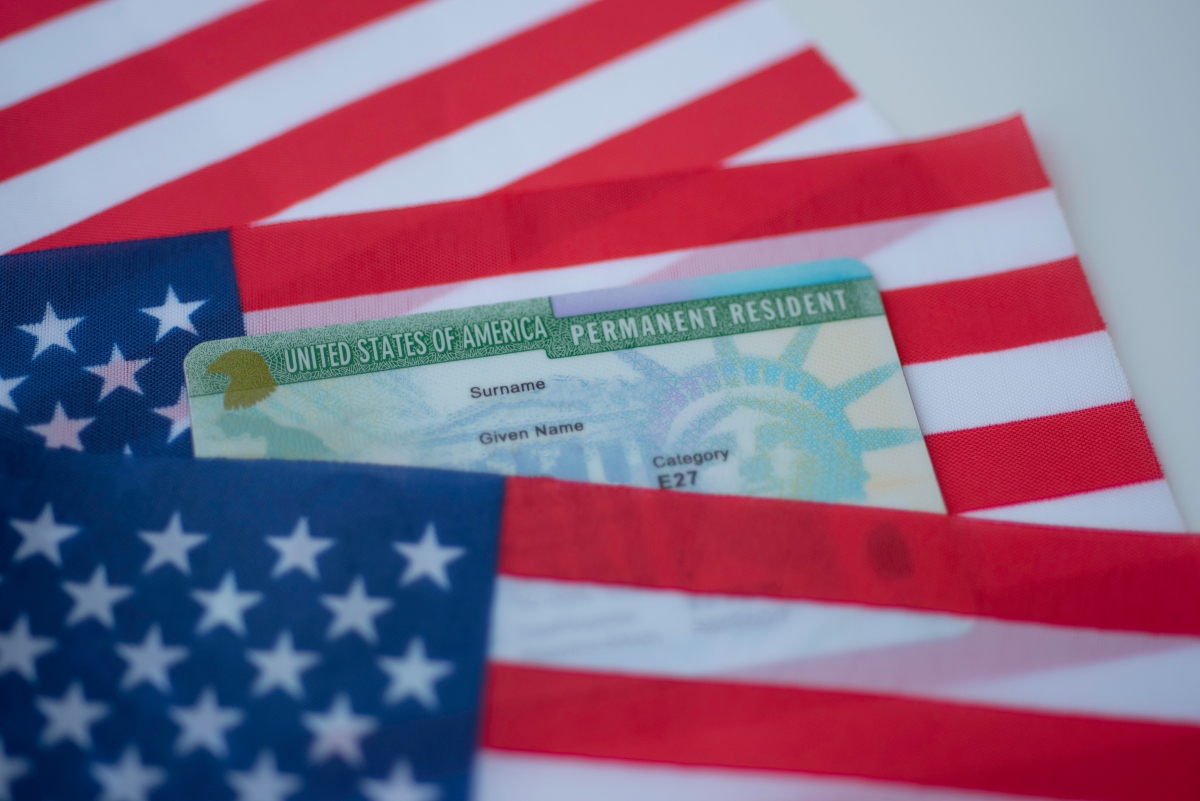
The process for obtaining a Green Card varies based on the applicant’s location, according to Mundo Deportivo.
If the applicant is already legally present in the U.S., they may apply for Adjustment of Status by submitting Form I-485 to USCIS, along with all required documentation.
On the other hand, if the applicant is outside the U.S., they must go through Consular Processing.
This involves attending an interview at a U.S. consulate in their home country and applying for an immigrant visa.
Once the visa is approved, the individual can enter the U.S. as a permanent resident.
Obtaining a Green Card is a significant milestone for many immigrants, offering stability and opportunities in the U.S.
However, the journey toward this status can be challenging, requiring applicants to meet all the eligibility requirements set by USCIS.
Being well-informed and prepared for every stage of the process is crucial. Seeking legal advice when necessary can help applicants maximize their chances of success.
? CLICK THE IMAGE TO LISTEN TO THIS AND OTHER NEWS PODCASTS

 Related post