Trump Orders New Immigration Raids in Los Angeles, Chicago, and New York
The president ordered new anti-immigration operations, marking a significant phase in immigration control across key cities.
Posted on 17/06/2025 at 03:11






- Trump orders new immigration raids
- ICE to target key cities
- Certain economic sectors exempt
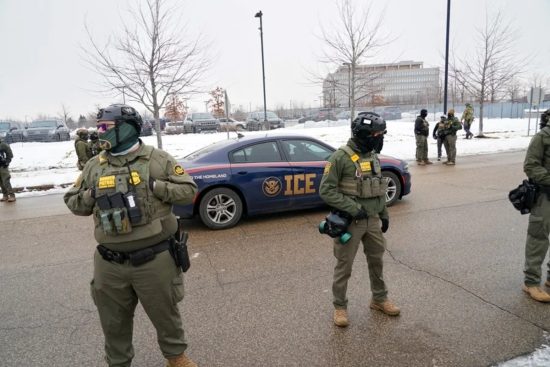
President Donald Trump ordered on Sunday, June 15, a new phase of massive immigration raids in three of the country’s main cities: Los Angeles, Chicago, and New York.
The decision was announced through a post on his official social media accounts, in which he called the operation “the largest deportation program in history.”
Trump instructed Immigration and Customs Enforcement (ICE) to “do everything in its power” to increase the detention and deportation of migrants in these cities.
According to the president, millions of people live irregularly in densely populated urban areas and represent a threat to national sovereignty, according to Infobae.
Trump Announces Historic Raids

“Millions and millions of illegal aliens reside in cities like Los Angeles, Chicago, and New York,” the president wrote.
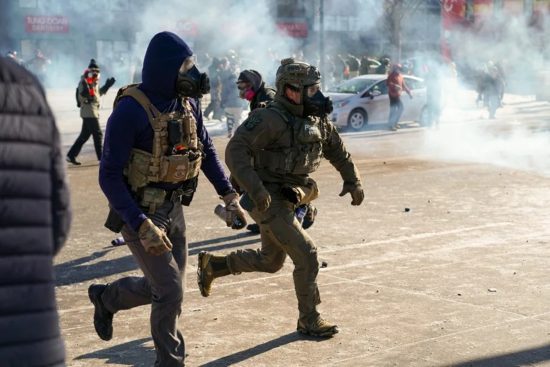
This offensive comes amid growing public protests against his immigration policies, especially in Latino and progressive communities that oppose what they consider the criminalization of migration.
YOU MAY BE INTERESTED IN: U.S. Revokes Temporary Status for Thousands of Migrants: They Could Be Immediately Deported
In recent weeks, massive marches in defense of migrants’ rights have taken place in these cities, while civil organizations warn of a rise in arbitrary detentions.
According to White House officials, the new directive instructs ICE to make at least 3,000 arrests per day.
ICE to Increase Daily Arrests
A number that multiplies by five the usual average of 650 daily detentions recorded in the first months of the current administration.
This figure represents an unprecedented increase in the operational activity of the federal immigration agency.
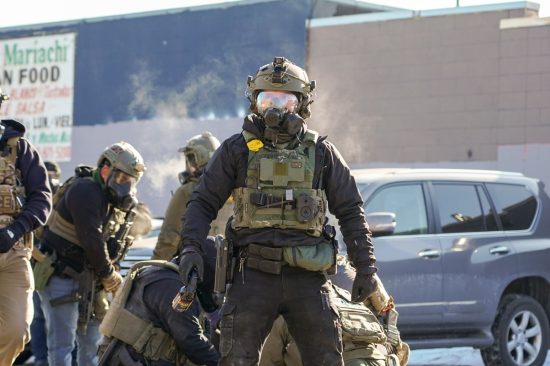
ICE operations will focus on high-density immigrant neighborhoods, particularly those with strong Latino presence, where reports of heavy patrols and targeted operations have already surfaced.
ICE’s actions have been harshly criticized by human rights organizations, which have documented abuses, arrests without warrants, and family separations.
Cities Refuse to Cooperate with ICE Raids
Meanwhile, local authorities in the three affected cities have reiterated their refusal to cooperate with federal agencies, Univisión reported.
The mayor of New York was categorical: “We will not collaborate with raids that violate our values and civil rights.”
In both Chicago and Los Angeles, local governments have also promised legal support to those facing deportation and reaffirmed their commitment to protect migrant communities.
Despite ICE’s intensified raids, the Trump administration has ordered a pause in operations within strategic economic sectors.
Certain Economic Sectors Exempt
Farms, hotels, and restaurants — all highly dependent on migrant labor — have been temporarily excluded from federal enforcement.
“There is legitimate concern about the economic impact that mass deportation would have on these industries,” said a senior official under anonymity to the AP agency.
In this sense, the measure seeks to avoid immediate disruption in key sectors such as agriculture, tourism, and the food supply chain.
This selectivity in law enforcement has been interpreted by critics as a contradiction: migrants are criminalized, but their labor is protected when it benefits the national economy.
Stephen Miller and the Immigration Strategy
Behind this new anti-immigration operations is Stephen Miller, Trump’s senior advisor and a central figure in shaping his immigration policy.
Miller has championed an aggressive and sustained approach to immigration since Trump’s first term. “Strict enforcement of immigration law is vital to national sovereignty,” Miller has said on multiple occasions.
His vision combines large-scale operations, mass detentions, and a hardline discourse aimed at mobilizing the conservative base ahead of the election cycle.
The presidential initiative is expected to generate new tensions between the federal government and local authorities, while civil organizations and pro-immigrant groups prepare to respond with legal and community actions, according to Infobae and Univisión.
 Related post