United States Could Repeat What It Did in Venezuela Against Any Country That “Poses a Threat,” According to Ambassador Waltz
The US defended the capture of Maduro and issued warnings to other countries. The possibility is raising concerns across the region.







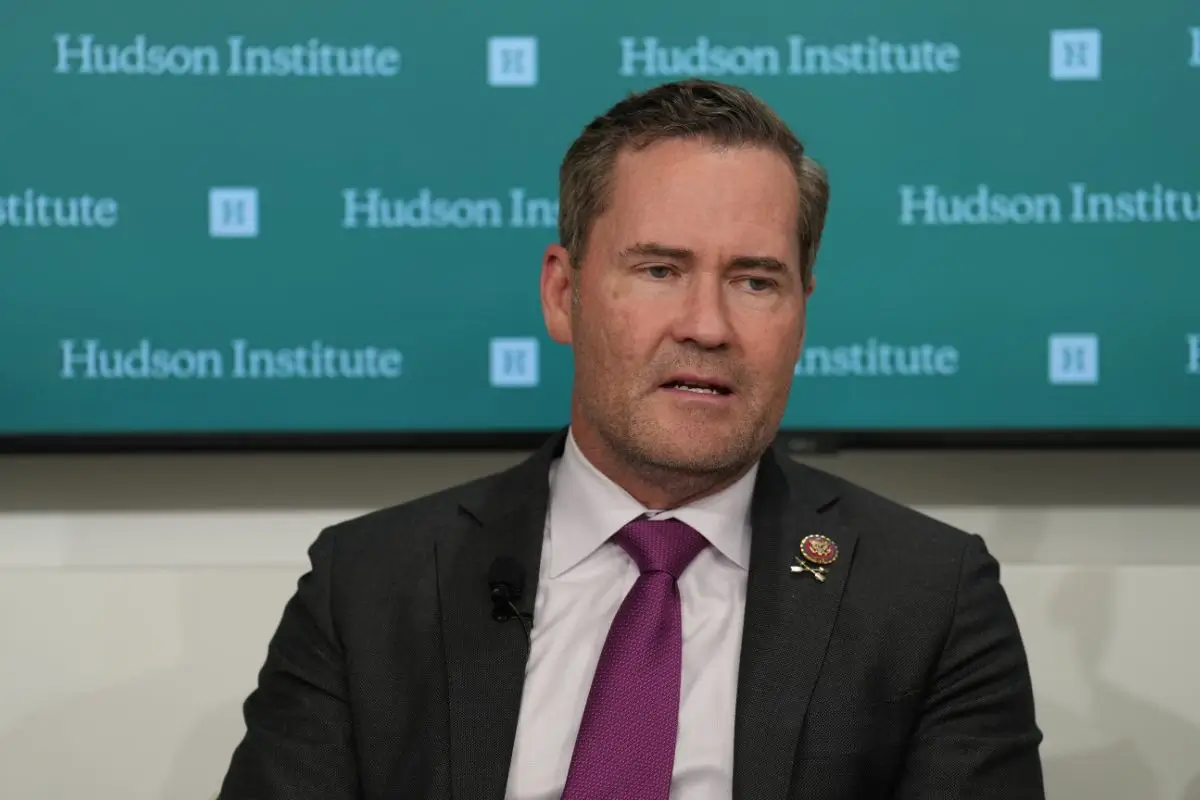
- United States Could Repeat What It Did in Venezuela and Defended the Capture of Nicolás Maduro
- The Government Made Clear It Could Act Against Any Country That Represents a Threat
- Warnings Extend to Cuba, Colombia, and Other Countries in the Hemisphere
Recent statements by the United States government regarding Venezuela have set off alarms across Latin America.
The capture of Nicolás Maduro was presented as a legal action against narco-terrorism, but the message went further: Washington does not rule out applying similar measures against other countries.
The official discourse reinforces a hardline stance that is already generating reactions both inside and outside the region, as US warns it could repeat Venezuela operation under certain circumstances.
United States Could Repeat What It Did in Venezuela, According to Its Ambassador
The US ambassador to the United Nations, Mike Waltz, publicly defended the capture of Nicolás Maduro as a “rigorous law enforcement operation,” facilitated by the US military.
“This is the Western Hemisphere; this is where we live, and we are not going to allow the Western Hemisphere to be used as a base of operations for adversaries, competitors, and rivals…” pic.twitter.com/7CZrnk4Qba
— Alerta News 24 (@AlertaNews24) January 5, 2026
In his remarks, he stated that this was not a war against Venezuela or its people, but rather the enforcement of charges that, according to him, have existed for decades.
Waltz asserted that Maduro is responsible for attacks against the American people, for destabilizing the Western Hemisphere, and for illegitimately repressing the Venezuelan population.
According to the official, the action was carried out under the authority of the President of the United States as Commander in Chief to protect citizens from narco-terrorism.
US Intervention and the Historical Precedent
During his speech, Waltz compared the operation to the arrest of Manuel Noriega in 1989, noting that the action led to greater regional stability.

He also recalled that more than 50 countries, including members of the European Union and several Latin American governments, do not recognize Maduro’s reelection following the 2024 elections.
The ambassador argued that Maduro refused to relinquish power after losing those elections and that Venezuela cannot continue to serve, in his words, as a base of operations for actors considered enemies of the United States.
Threats Toward Cuba and Regional Warnings
The message hardened further with statements from Senator Lindsey Graham and President Donald Trump.
Graham said that Maduro’s capture represents “the best of the United States” and warned that other regimes could face a similar fate.
Lindsey Graham warns Cuban dictatorship’s ‘days are numbered’ after US seizes Maduro https://t.co/jbiUw1tzQY pic.twitter.com/ZJuiVzVDm7
— New York Post (@nypost) January 5, 2026
Trump was explicit when referring to Cuba, stating that the country “is about to fall” and that its survival depended on Venezuelan support. From Havana, the Cuban government described the mission as a “criminal attack” and denounced a new act of state terrorism.
Impact on the Latino Community in the United States
For the Latino community in the United States, this rhetoric goes beyond geopolitics. Many migrants have family members in Venezuela, Cuba, Colombia, or Mexico, and the statements generate real concern about the region’s future.
The hardening of official language could translate into greater political instability, sanctions, or crises that drive new waves of forced displacement. For those living in the US, this means anxiety, uncertainty, and fear for their loved ones, especially as US warns it could repeat Venezuela operation elsewhere.
You may also like: 40 Dead Reported After Attack in Venezuela: Civilians Among the Victims
What the Key Figures Are Saying
Waltz reiterated that there is no military occupation and that the operation was a legitimate law enforcement action. Graham, for his part, wrote that Maduro “miscalculated” by confronting President Trump and insisted that the United States will not allow the Western Hemisphere to be controlled by narco-terrorist dictators.
Trump also issued warnings to Colombia and Mexico, stating that he will not tolerate drug production and trafficking that affects the United States.
What Comes Next
The message is clear: the United States reserves the right to act against any country it considers a threat.
Attention is now focused on how governments across the region will respond and what consequences this posture will have for political stability and for millions of Latinos with direct ties to those countries.
 Related post