End of Cheap Online Shopping? Reasons Behind the Rise in Imported Products
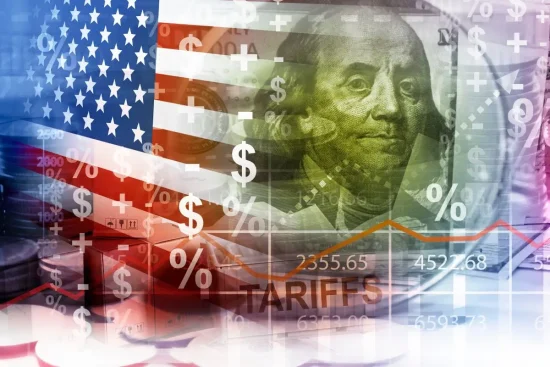
Import tariffs following the end of the de minimis exemption increase costs on Chinese goods and online purchases.







- The Trump administration announced the end of the de minimis exemption, which allowed imports of packages under $800 without paying taxes.
- Hispanic consumers will face higher costs when buying Chinese products online.
- Tariffs will apply to imports from around the world, affecting both shoppers and small businesses.
On Friday, the door closed on tax-free imports of purchases under $800.
Until now, consumers could receive millions of cheaper packages at home.
In 2024 alone, 1.36 billion shipments entered the country, with a declared value of more than $64.6 billion.
End of the De Minimis Exemption: What Changes?
TIME TO PAY MORE! After the elimination of the exemption known as “de minimis,” which allowed entry of packages from abroad valued under $800 without paying tax. #News247 #Economy #Minimis #Shipments #USA
For more news: https://t.co/jlbjgui0DQ pic.twitter.com/p0xZh2VAHj— NoticiasUnivision247 (@Univision247) August 29, 2025
The new rule doesn’t affect only China. Canada, Mexico, and the United Kingdom will also see higher shipping costs.
The same goes for India, South Korea, Thailand, Vietnam, and Japan.
According to official figures, 73% of de minimis packages in 2024 came from China, highlighting the scale of the impact on digital commerce.
The government claims this policy aims to curb the entry of drugs such as fentanyl and level the playing field with local retailers who do pay taxes.
Price Hike on Chinese Products and More
It finally happened: the Trump administration shut down the so-called “de minimis,” a trade provision that allowed duty-free imports of billions of small packages each year.
How will this affect platforms like Temu or Shein? https://t.co/F8azmk1jrV pic.twitter.com/z4BQEgA32l
— Bloomberg Línea (@BloombergLinea_) August 29, 2025
The change hits directly in the wallet of those who relied on cheap online shopping, according to an analysis by FlavorCloud.
Examples:
- Canadian supplements rise from $37 to $60 (+60%).
- Chinese slippers from $30 to $45 (+51%).
- Japanese chef’s knives from $240 to $298 (+24%).
This means reduced accessibility to fashion, cosmetics, utensils, and everyday items that used to be much cheaper online.
Impact on the Hispanic Community in the U.S.

For Hispanics shopping on platforms like Shein or Temu, the end of the de minimis exemption means paying more for the same product.
Small businesses that depend on international suppliers will also have to take on higher import costs, resulting in higher prices or reduced profit margins.
What Experts Say
“For consumers, this could mean a pretty significant price increase,” said Mary Lovely, a researcher at the Peterson Institute for International Economics, in an interview with CNBC.
What’s Next After the End of the De Minimis Exemption
The rule takes effect in September.
From that moment on, every online purchase shipped from abroad will carry taxes and customs duties.
- The final cost will depend on country-specific rates and on how companies adjust their prices to remain competitive.
- The only exceptions will be letters and gifts under $100, which will continue to enter duty-free.
 Related post