Do You Have Severe Menstrual Pain? It Could Be Endometriosis!
Discover how endometriosis affects the lives of thousands of women, what its most common symptoms are, and which treatments currently exist.
Posted on 29/12/2025 at 16:52






- Endometriosis: Menstrual Pain Beyond What’s Normal
- Early Diagnosis Is Key
- Treatments That Relieve and Help
Endometriosis affects millions of women worldwide, and although awareness has grown in recent years, it remains a condition surrounded by uncertainty.
To better understand it, Dr. Megan Wasson, a gynecologic surgeon at Mayo Clinic, explains its causes, symptoms, and treatment options.
Endometriosis is a condition many women still do not fully understand

1. Tissue Where It Doesn’t Belong
Endometriosis occurs when tissue similar to the lining of the uterus—the endometrium—grows outside the uterus.
This tissue responds to the hormonal cycle just like normal endometrium: it thickens, breaks down, and bleeds each month. However, because it has no natural way to exit the body, it causes inflammation, pain, and in some cases, infertility.
Most common areas where it appears:
- Ovaries
- Fallopian tubes
- Tissue lining the pelvis
In rare cases, it can spread to other organs.
2. Endometriosis Symptoms: Beyond Menstrual Cramps
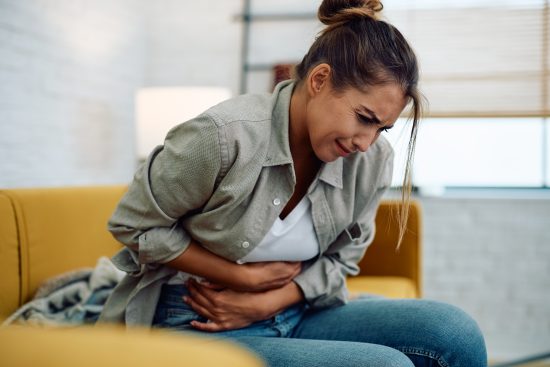
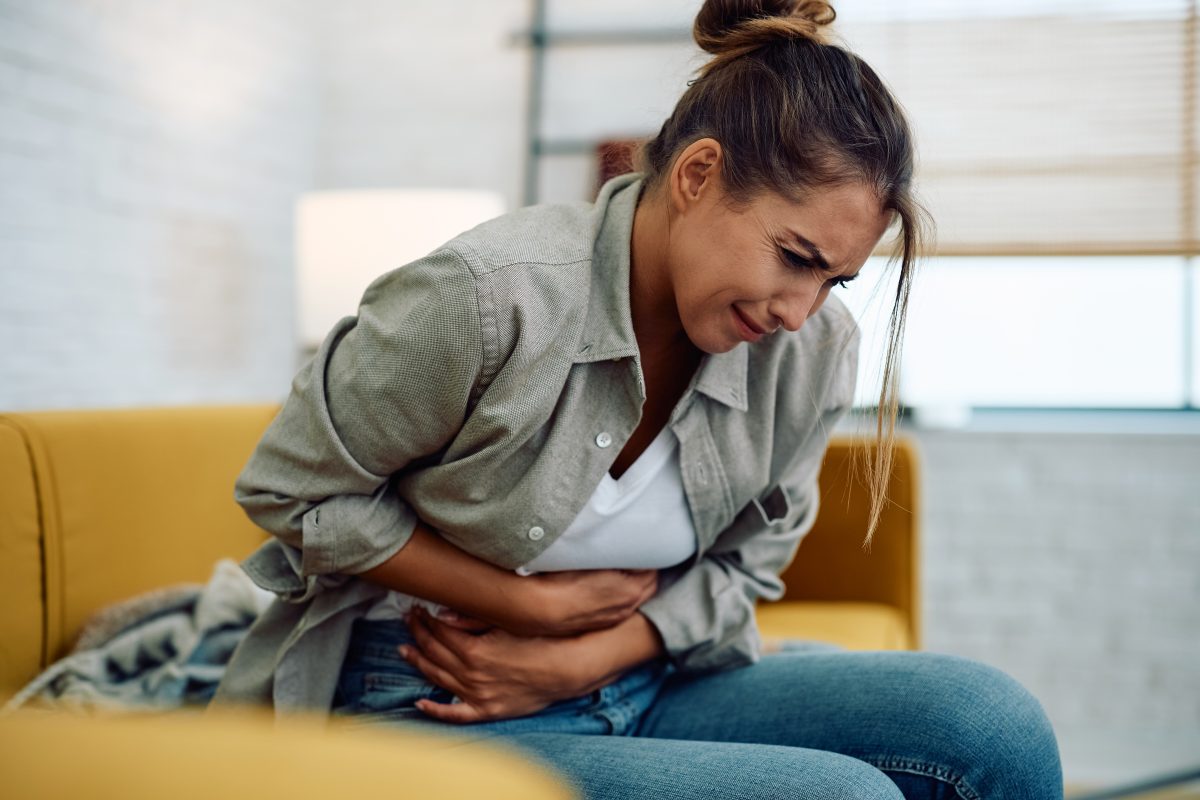
The most characteristic symptom is intense pelvic pain, often mistaken for normal menstrual cramps.
However, endometriosis-related pain is usually more severe and persistent.
Other common symptoms include:
- Pain during sexual intercourse
- Pain when urinating or during bowel movements
- Heavy bleeding or bleeding between periods
- Fatigue, nausea, or digestive problems
According to Mayo Clinic, the intensity of pain does not always reflect the severity of the disease: some women with small lesions experience severe pain, while others with extensive disease may feel little discomfort.
You may try a heating pad for your back or abdomen available on Amazon.

3. Possible Causes (and Why There Are Still Mysteries)
Despite medical advances, the exact cause of endometriosis has not been definitively confirmed, though several theories exist:
- Retrograde menstruation: menstrual blood flows backward through the fallopian tubes, depositing cells in the pelvis.
- Cellular transformation: hormones such as estrogen may transform other body cells into endometrial-like tissue.
- Surgical scars: after cesarean sections or abdominal surgeries, endometrial cells may attach to incision sites.
- Immune system factors: the body may fail to eliminate abnormal tissue.

👉 Subscribe here
4. Risk Factors You Should Know
Research points to certain factors that increase the likelihood of developing endometriosis:
- Never having given birth
- Early menstruation or late menopause
- Short menstrual cycles or heavy bleeding
- Family history
- Low body mass index
Additionally, the National Institutes of Health (NIH) notes that hormonal and environmental factors also influence the development of the disease.
You may try: Comfytemp wireless TENS machine for pain relief available on Amazon.

5. Endometriosis Complications and Possible Treatments
The main complication is infertility, though a slight association with ovarian cancer has also been observed.
Treatment varies depending on age, desire for pregnancy, and severity of symptoms.
Common endometriosis treatment options include:
- Hormonal medications to reduce tissue growth
- Laparoscopic surgery to remove lesions
- Lifestyle changes and psychological support
Dr. Wasson emphasizes that early diagnosis improves quality of life and allows pain to be managed more effectively.

6. Conclusion: Talking Is Healing
Endometriosis is not just menstrual pain.
It is a real, complex, and often invisible disease. Becoming informed, seeking specialized medical care, and sharing experiences can make a meaningful difference.
YOU MAY BE INTERESTED IN: Chapped lips from the cold? Expert and home solutions that really work!
Mayo Clinic recommends seeing a gynecologist if there is any suspicion, as knowledge and early detection are the best tools for regaining well-being.
Important Notice: This article is for educational and informational purposes only. It does not replace professional medical advice, diagnosis, or treatment.
SOURCE: Mayo Clinic – Endometriosis: Symptoms and Causes / Office on Women’s Health – Endometriosis Facts
 Related post