Second Social Security Check Arrives in February: Who Will Receive It?
The February Social Security second payment brings relief to retirees amid rising prices and essential household expenses.







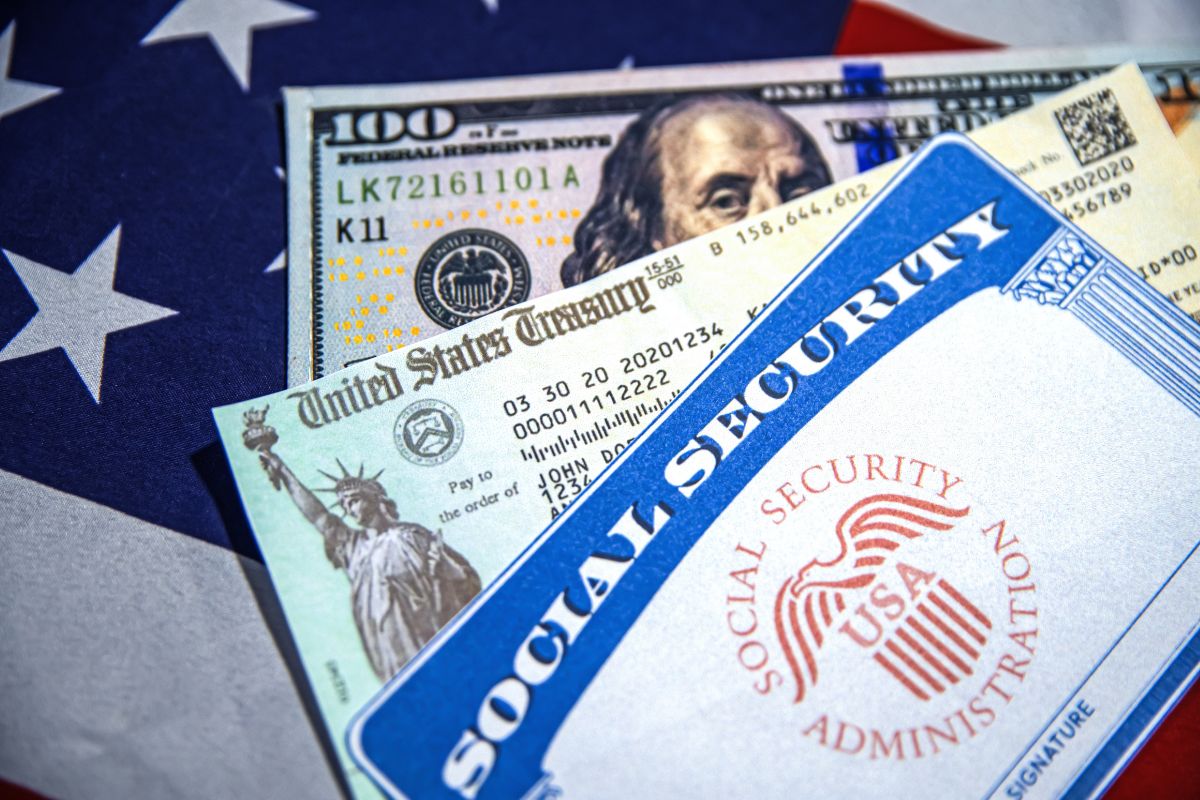
- This month’s Social Security payment depends on the retiree’s birth date
- The check is key to covering basic monthly expenses
- Financial adjustments help stretch monthly income
February brings important news for millions of retirees in the United States: the arrival of the second Social Security check of the month. For many older adults, this deposit represents much-needed financial relief amid the steady rise in the cost of living.
The payment will be issued next week as part of the regular schedule of the Social Security Administration. Not all beneficiaries receive it at the same time, as the payment date depends on each retiree’s date of birth.
This new deposit arrives at a sensitive moment. Rising prices for food, basic services, and heating bills have put pressure on household budgets, especially in Latino homes where Social Security is the primary source of income.
For thousands of retirees, this money is not supplemental—it is the foundation on which their entire household economy is built.
Who Receives the Second Social Security Check in February?
The Social Security check scheduled for February will be deposited on Wednesday the 11th for a specific group of beneficiaries. This payment applies to those born between the 1st and the 10th of any month.
This staggered calendar allows the SSA to distribute payments in an orderly manner. For those receiving the money on this date, the deposit arrives just as monthly expenses are already underway.

The amount of the check is not the same for everyone. It depends on factors such as the age at which retirement benefits were claimed and the individual’s earnings history over their working life.
According to official data, the average monthly payment for retired workers is $2,013, a figure calculated based on the 35 highest-earning years of each person’s career.
How Much Money Can Latino Retirees Receive?
Those who retire at age 62 can receive up to $2,831 per month, although not everyone reaches that maximum amount. Individuals with fewer credited years or lower lifetime earnings typically receive smaller checks.
Even so, this income remains vital. In many Latino households, Social Security covers essential expenses such as rent, food, utilities, and medications.

“Social Security is more than assistance—it is the primary lifeline for millions of families,” agree organizations that work with older adults.
In addition, this year’s payments include a 2.8% cost-of-living adjustment designed to help maintain purchasing power in the face of inflation. More than 75 million people benefit from this increase.
What to Do If the SSA Check Isn’t Enough
Although the adjustment helps, many retirees feel the money still falls short. Financial experts recommend starting with the basics: securing housing, food, utilities, and healthcare.
Once these needs are covered, the next step is to review which expenses can be reduced. Every retiree faces a different reality, so there is no one-size-fits-all solution.

One effective strategy is cutting high-impact fixed expenses. Moving to a smaller home or to an area with a lower cost of living can generate significant savings.
For example, reducing a mortgage from $3,200 to $1,600 per month results in immediate savings of $1,600—a difference that can transform a monthly budget.
You may also like: February SNAP Food Stamp Payment Schedule
Less Debt, More Peace of Mind
Another common challenge is entering retirement with accumulated debt. High interest rates can become a serious burden when income is limited.
Using part of the February Social Security second payment to pay down debt can improve financial stability and reduce economic stress.
There are also options such as refinancing loans, adjusting insurance policies, or eliminating unnecessary subscriptions.
For some retirees, part-time work or generating additional income can make a key difference. Even modest amounts help stretch monthly funds further.
Keeping a detailed record of expenses makes it easier to identify money leaks and make ongoing adjustments that strengthen financial security during this stage of life.
 Related post