Worried About Your Finances? Learn How to Follow a Financial Diet in Your Budget
Apply a financial diet to save money, improve your budget, and cut unnecessary expenses affecting your pocket in the U.S.







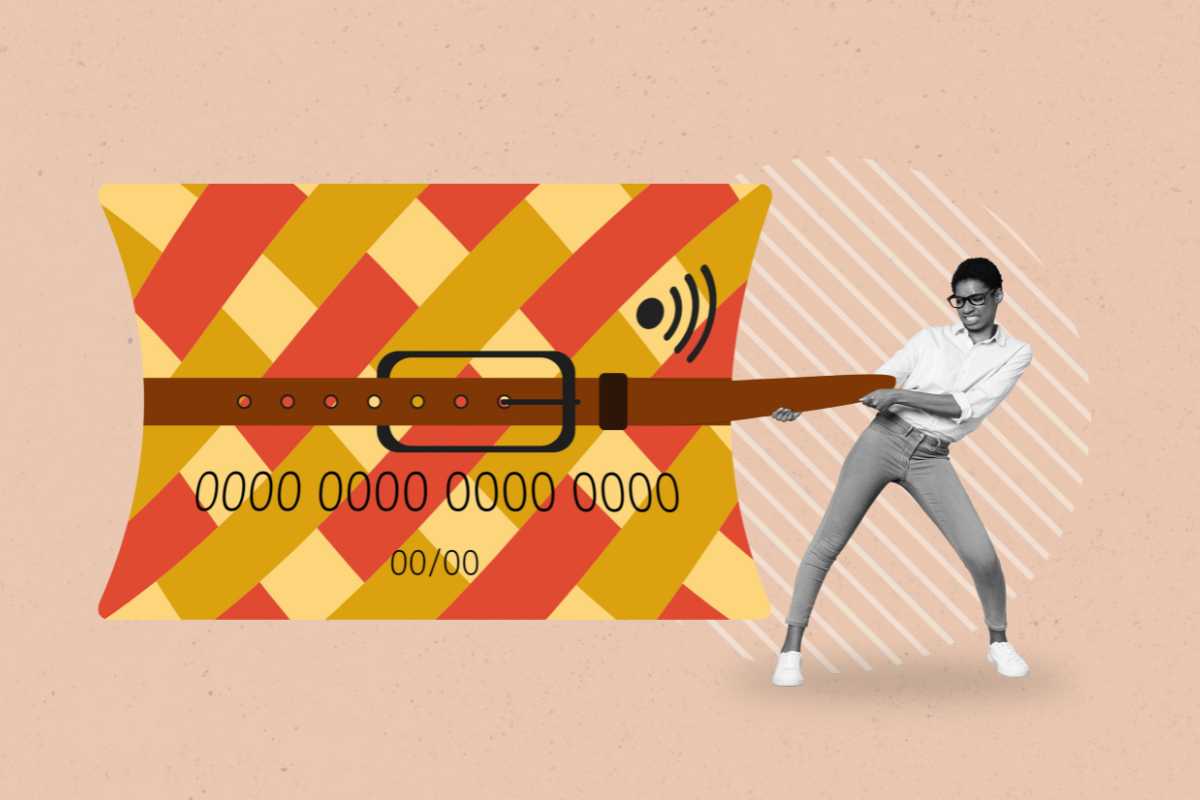
- The financial diet has become a practical method for those looking to save money and regain control of their wallet.
- The Hispanic community in the U.S. faces high living costs and growing debt; a financial diet can be the key to cutting expenses without sacrificing essentials.
- More and more families are applying this method to organize their family budget and create sustainable financial habits.
Just as a food diet cuts calories to improve health, a financial diet helps strengthen your economic stability.
In Hispanic households across the U.S.—where much of the income often goes to rent, debt, and remittances—this practice provides real relief.
The goal isn’t just to save money for a short period but to transform the way each dollar is spent.
The method works best when applied with clear goals and defined timelines.
The Financial Diet as a New Economic Habit
The cost of living in the U.S. has risen sharply: rent, groceries, and gas weigh on millions of households every month.
For Latino families, who make up nearly 20% of the U.S. population, managing a family budget has become a constant challenge.
That’s where the financial diet comes in:
- It can last 30, 60, or 90 days.
- It must have a clear start and end.
Like a health diet, the true value lies in the habits that remain after the challenge.
How to Save Money With a Financial Diet

Step 1: Review your spending. Your last month’s bank statement is the best starting point.
Step 2: Separate essentials from non-essentials. Cut things like eating out or impulse shopping.
Step 3: Set specific goals. Don’t just say “I’ll save money.”
Instead, outline measurable objectives such as:
- Paying off $1,500 in credit card debt.
- Increasing retirement savings.
- Cutting unnecessary travel.
👉 Key: Each goal should have a deadline and be measurable.
Practical Options to Cut Expenses

- Control temptation: Store away your credit cards if you tend to use them impulsively.
- Cook at home: Preparing meals yourself is cheaper than eating out or ordering delivery.
- Track progress: Record your savings and deposit them into a high-yield savings account.
- Get support: Do the challenge with a partner, friends, or family.
What’s Next
A financial diet isn’t about eternal sacrifice—it’s a training plan for your money.
Once you complete a cycle, you can repeat it, adjust it, or turn it into a long-term lifestyle.
For Hispanic families, these practices are a proven path to stability.
Cutting expenses and building a strong family budget are key steps to ensuring a future with less debt and more peace of mind.
In short: Caring for your finances is like caring for your health. With discipline and small changes, a financial diet can make all the difference.
 Related post