Are You an Immigrant? Learn What to Do — and What NOT to Do — During an ICE Raid
A guide for immigrants explaining how to respond during ICE operations and what steps to take to stay protected in moments of risk.
Posted on 21/11/2025 at 22:51






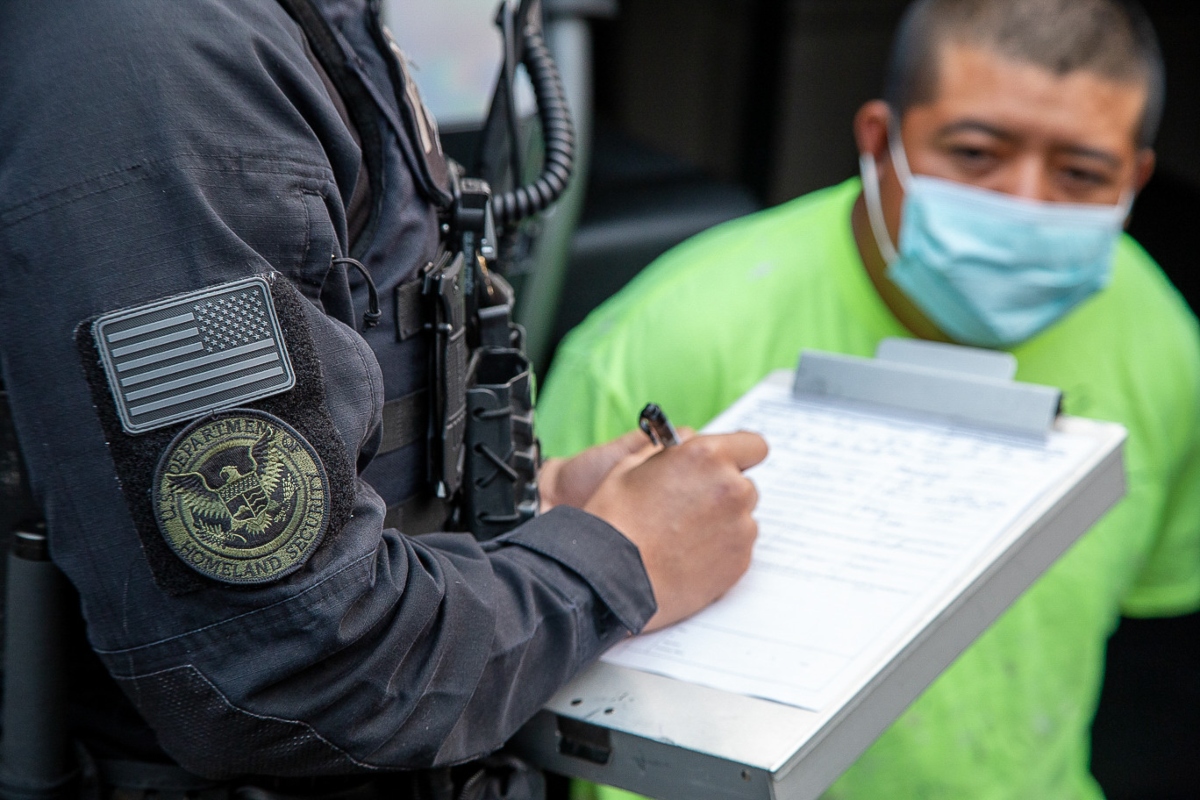
- What to do if ICE shows up
- Stay calm during raids
- These steps could protect you
Facing immigration agents, hearing an unexpected knock on the door, or witnessing a raid in the neighborhood has become an everyday reality for thousands of immigrant families in the United States—where every decision in those seconds can make a crucial difference.
During President Donald Trump’s second term, arrests of undocumented immigrants have increased significantly.
Guide for immigrants during an ICE raid

Even with high numbers already reported, the Trump administration plans to intensify its strategy, raising concerns across immigrant communities about operations, workplace raids, and home visits by ICE officers.
You may also like: Are You an Immigrant Receiving SNAP or Medicaid? You Could Lose Access to Your Visa
Because the presence of immigration agents often triggers panic, organizations, activists and attorneys stress the importance of understanding basic rights and proper actions during these encounters.
What to do if ICE shows up at your home, neighborhood, or workplace
Federal agents arrest liberal terrorlsts in Charlotte for warning illegal immigrants of ICE raids..
I voted for this.. 👏👏 pic.twitter.com/1V8cLpFnae
— American AF 🇺🇸 (@iAnonPatriot) November 18, 2025
Experts in immigration law say the first and most essential step is to stay calm.
Families should discuss beforehand how to act—including preparing children—so no one opens the door without knowing who is outside.
The Illinois Coalition for Immigrant and Refugee Rights recommends never opening the door if ICE knocks, and teaching minors to avoid doing so under any circumstance.
Immigration attorneys explain that ICE officers may only enter a home or business with a judicial warrant signed by a judge.
If someone witnesses an operation in the community, the coalition provides a 24-hour hotline to offer guidance:
1-855-HELP-MY-FAMILY (1-855-435-7693)
If an officer detains someone during a raid, lawyers remind individuals that they have the right to remain silent before answering any questions.
What NOT to do during an immigration operation

The Illinois Coalition and multiple immigration attorneys warn that arguing with ICE agents, police officers or any official about immigration status can escalate the situation.
They also strongly advise against signing documents you do not fully understand.
If someone witnesses a raid or potential operation, they should move to a safe location to observe without interfering.
U.S. citizens are allowed to record what is happening as long as they do not obstruct the officers’ work.
What to do if you are an immigrant and ICE or the police detain you
Detentions can occur in many scenarios: at home, during traffic stops, at workplaces, or in public spaces where ICE conducts operations.
The ACLU recommends that if someone does not have immigration documents, they should clearly state that they wish to remain silent or want to speak with an attorney before answering any questions.
The right to withhold personal information — including immigration status — remains in effect unless the person is over 18 and possesses legal immigration documents.
The ACLU explains different types of detentions

- If police officers detain you:
There must be probable cause related to a possible crime, and the individual has the right to a government-appointed attorney. - If ICE detains you:
The government is not required to appoint an attorney, but must provide a list of free or low-cost legal services. - If detained in a vehicle, train, or bus:
A person may refuse a search of the vehicle unless officers have probable cause of evidence related to a crime. - If detained at the border:
A CBP agent needs reasonable suspicion of a federal or immigration violation; ICE requires probable cause.
In a context where immigration operations can happen without warning, knowing your rights and the actions permitted under the law becomes a crucial tool for facing dangerous situations.
Have you or someone you know experienced a situation involving ICE? Share your questions or stories so we can continue informing the community.
 Related post