U.S. House Approves Citizenship Requirement to Vote, a Demand from Trump







Posted on 04/14/25 at 11:41
- House of Representatives passes bill known as SAVE Act
- Proof of citizenship required
- Democrats fear social exclusion
The United States House of Representatives passed a controversial law on Thursday backed by Republicans.
The legislation would require voters to present proof of citizenship in order to participate in federal elections.
It is called the “Safeguard American Voter Eligibility” Act (SAVE).
The bill was introduced by Republican Congressman Chip Roy and supported by his entire party.
The SAVE Act advances with bipartisan support but faces a divided Senate
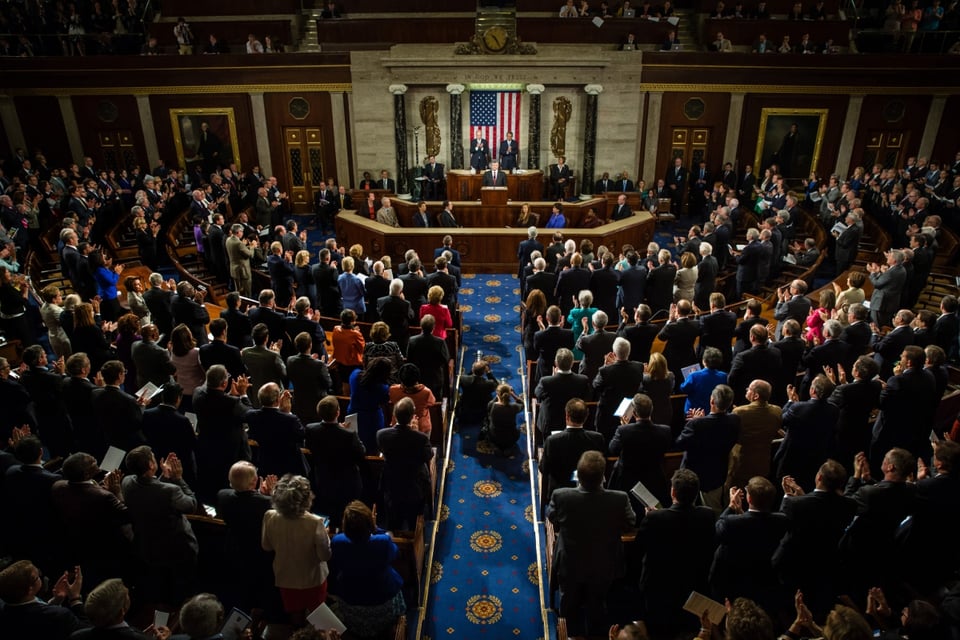
Four Democratic lawmakers also voted in favor, allowing the SAVE Act to move forward.
The bill will now head to the Senate, where it could face similar hurdles as in previous years.
In the last legislative session, Republicans managed to pass it in the House, but Democrats blocked it in the Senate.
Currently, Republicans hold a majority with 53 seats in the upper chamber, compared to 47 for the Democrats.
The measure responds to a narrative pushed by Donald Trump about alleged voter fraud committed by immigrants.
However, it is already illegal to vote in federal elections without U.S. citizenship.
Various studies have concluded that cases of illegal voting by non-citizens are extremely rare.
The Brennan Center, for example, found only 30 possible suspicious cases out of 23.5 million votes in 2017.
During the last campaign, Trump used this theory as a political tool—even though he ended up winning the election.
If passed in the Senate, all voters would have to present documents proving their citizenship.
You may be interested in: U.S. to Begin Processing the New «Golden Card»
Valid documents would include a U.S. passport, a government-issued ID with a birth certificate, or a military ID.
Democrats warn that the SAVE Act would especially affect low-income individuals.
They argue that many citizens do not have easy access to the required documents.
They accuse Republicans of seeking to restrict voting rights through this proposal.
The SAVE Act reopens the debate over voting access and measures that could limit electoral participation.