Iran Proposes 5-Year Nuclear Pause to the U.S. Amid Rising Tensions, According to The New York Times







Posted on 04/15/26 at 16:52
- Iran proposes nuclear pause
- U.S. rejects conditions
- Bilateral tensions persist
Iran has put forward a proposal aimed at breaking the deadlock in negotiations with the United States, though without conceding on Washington’s most sensitive demands.
During recent meetings, Tehran offered a limited suspension of its nuclear program, opening a window for dialogue while also highlighting deep differences between both sides.
- Why it matters: The Iran nuclear pause proposal could redefine the geopolitical and nuclear balance in the Middle East. However, the proposed conditions reflect mutual distrust and opposing strategic goals.
Iran proposes a limited pause to its nuclear program
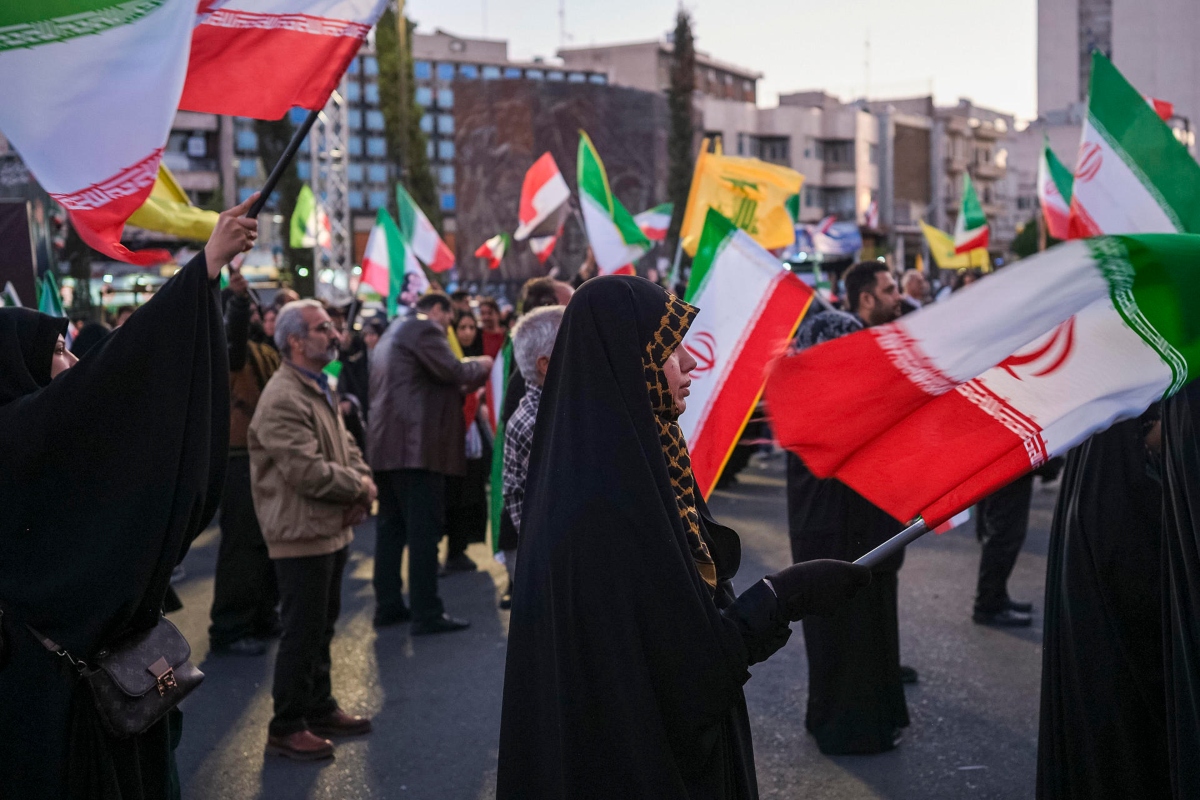
During talks held over the weekend in Islamabad, Iran offered the United States a temporary suspension of its uranium enrichment program.
According to The New York Times, the proposal includes a pause of up to five years.
This offer comes in response to Washington’s demand for a much longer commitment.
The United States reportedly requested a suspension of around two decades, which was rejected by the Iranian delegation.
The difference in timelines reflects the main point of disagreement: while the U.S. seeks long-term guarantees, Iran aims to retain flexibility in its nuclear policy.
Iran insists on keeping enriched uranium in the middle of the conflict
Another key point of friction is the fate of nuclear material.
Iran refused to move its highly enriched uranium stockpile out of the country, one of the central demands of the United States.
Instead, Tehran offered to significantly reduce the level of enrichment.
The goal would be to prevent immediate use for nuclear weapons production while still maintaining control over the material.
However, this alternative does not fully address Washington’s concerns, as it preserves the potential for future reactivation of the program.
Risks and distrust remain between both sides
Iranian and U.S. officials, speaking anonymously, warned that the Iran nuclear pause proposal carries risks.
Even if uranium is diluted, it could potentially be reprocessed in the future.
This possibility continues to fuel tension in the negotiations, as the United States fears the material could eventually reach weapons-grade levels.
The reversibility of Iran’s nuclear program remains one of the biggest obstacles to a final agreement.
Possible new round of talks without a set date
Despite their differences, both sides are considering continuing dialogue.
Reports suggest there is a possibility of another round of in-person negotiations.
However, no concrete plans have been finalized, underscoring the lack of consensus on the terms of a potential agreement.
The diplomatic process remains open, but progress is limited.
You may also like: Trump Announces Strait of Hormuz Blockade and Accuses Iran of Pursuing Nuclear Program
U.S. avoids declaring talks a failure
U.S. Vice President J. D. Vance addressed the status of negotiations without labeling them a failure.
In an interview with Fox News, he said it “depends on Iran accepting key points,” though he did not specify those conditions.
His statement suggests Washington is maintaining pressure on Tehran while leaving the door open for a possible agreement, as the Iran nuclear pause proposal continues to shape discussions.
SOURCE: EFE / The New York Times