Beware of Online Holiday Deals! FBI Warns of Scams Targeting Gmail and Outlook Users
Online holiday scams rise every year, and the FBI explains how to stay safe when shopping online and ensure secure holiday purchases.







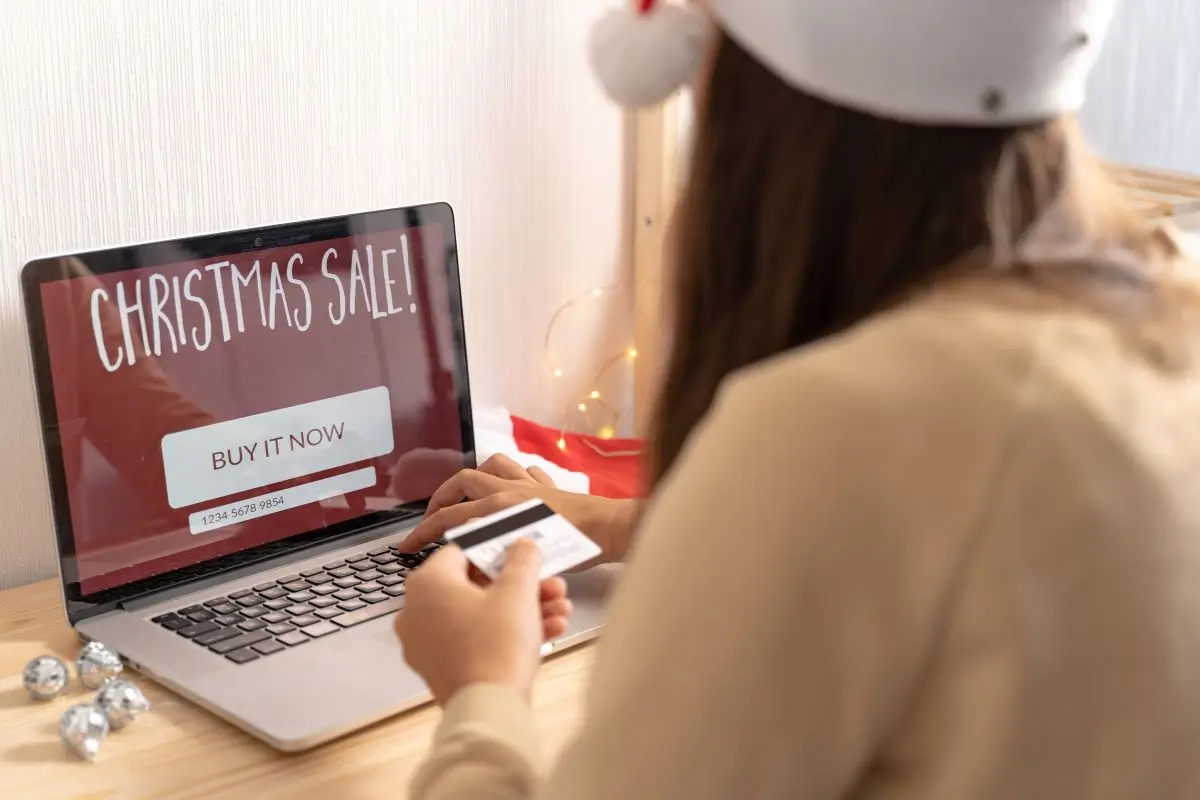
- The FBI warns of an increase in online holiday scams.
- Losses exceed hundreds of millions every year.
- They recommend exercising extreme caution with offers and suspicious emails.**
The FBI has issued a nationwide alert about the increase in scams linked to online shopping during the holiday season.
According to the agency, thousands of people lose money and personal information every year due to spoofed emails, fraudulent websites, and manipulated transactions.
The alert highlights that criminals are using Gmail, Outlook, and social media to lure consumers with unrealistic discounts. The message is clear: the holiday season is also peak season for scammers.
Beware of online holiday scams: the most common frauds
The FBI explains that online holiday scams appear in several forms.
- One of the most frequent is the non-delivery scam, in which the buyer pays for an item that never arrives.
- Another is the non-payment scam, where the seller ships the item but never receives the money.
- Also included are auction fraud, when a product does not match what was advertised, and gift card fraud, where scammers request payment through prepaid cards that are difficult to trace.
The Internet Crime Complaint Center (IC3) reported that in 2024 alone, non-payment and non-delivery scams resulted in more than $785 million in losses.
Another $199 million in losses came from credit card fraud.
The trend is clear: each holiday season brings more fraud, with scammers constantly diversifying their methods.
Safe holiday shopping: how to reduce risks
The FBI offers several recommendations to ensure safe online holiday shopping:
- Be cautious of suspicious links sent via email, websites, or social media. Many phishing schemes attempt to obtain passwords, full names, and bank details.
- Always verify the authenticity of a shopping site. A secure website must display https, and even a small variation in the URL may signal a fake page.
The FBI also advises reading reviews, especially when purchasing from a store for the first time or when prices seem unrealistically low.
In digital marketplaces and auctions, it is important to check buyer and seller ratings. Accounts with negative or no reviews present a higher risk.
The FBI also warns about sellers who claim to be located in the United States but later reply from abroad with excuses such as emergencies or business travel.
Impact on the Latino community that shops online
The Hispanic community is particularly vulnerable because many rely on online holiday shopping to find affordable prices.
Aggressive ads and promotions in Spanish can be manipulated by scammers to create false trust.
Additionally, if consumers feel less comfortable reading detailed text in English, they may overlook warning signs such as URL errors or unusual payment requests.
This makes Latinos a frequent target of fraud involving shipping schemes, gift card payments, or counterfeit websites selling popular holiday items.
How to pay safely and avoid losses
The FBI recommends avoiding direct payments to sellers and never using gift cards as a payment method.
Instead, they suggest using credit cards, which allow consumers to dispute fraudulent charges.
The agency also advises monitoring bank statements and requesting tracking numbers for all shipments.
For sellers, it is crucial to verify that the billing address matches the shipping address. Any discrepancy may indicate a fraudulent purchase.
What comes next
The IC3 expects an increase in scam reports during the first months of the year, following patterns seen in previous seasons.
With digital shopping continuing to grow, the FBI stresses that prevention is the strongest defense.
Recognizing warning signs is essential for achieving safe online holiday purchases and protecting your wallet during the festive season.
 Related post