Texas Pushes Forward Proposal to Ban Sharia Law in the United States







Posted on 11/26/25 at 12:22
- Sharia law in the US
- Bill toughens immigration
- Debate over religious freedoms
The governor of Texas and a group of Republican lawmakers have intensified a national movement seeking to ban Sharia law within US territory.
The political push has sparked a broad debate surrounding immigration, national security, and religious liberties.
At the center of the controversy is Greg Abbott, governor of Texas, who issued three directives aimed at Islamic organizations based in the US.
His first action was designating the Muslim Brotherhood and the Council on American-Islamic Relations (CAIR) as foreign terrorist organizations.
Directives reignite national tensions
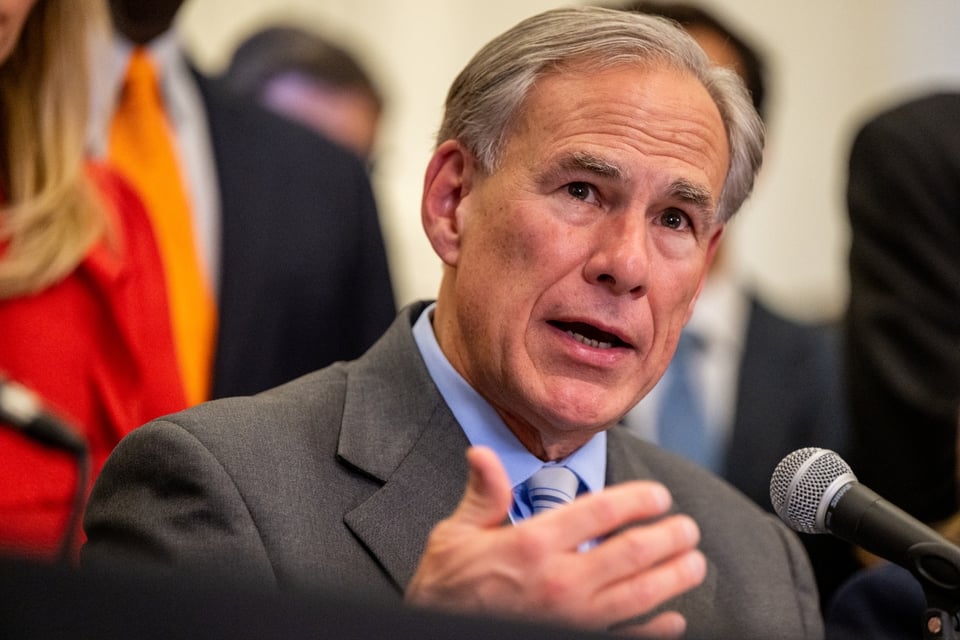
That same day, Abbott signed a second directive requesting a formal investigation into the Islamic Tribunal in North Texas.
Republican Representative Keith Self supported the move and openly called for the prohibition of Sharia nationwide.
You may also like: The Process of Obtaining and Maintaining a Green Card in the United States
During a speech in the House of Representatives, Self declared: “Sharia is the law of Islam.” “Sharia is dangerous,” he added, arguing that it contradicts Western values of liberty and individual equality.
Self maintained that the US Constitution and Islamic law are irreconcilable in their strictest forms. He asserted that Sharia “is a culture of violence and domination,” contrasting it with constitutional principles rooted in democratic foundations.
Legislative arguments behind the proposed Sharia law ban
The lawmaker also mentioned punishments contemplated in extreme interpretations of Islamic law, such as stoning, amputations, and corporal punishment. He argued that these examples are incompatible with any modern legal system in the United States.
Documents cited by lawmakers state that such practices originate from traditional Islamic penal law. Although they are not part of the US judicial system, their existence within private religious tribunals has raised concerns among Republicans.
Last month, Self joined Representatives Chip Roy, Randy Fine, and Tim Burchett to introduce the “Preservation of a Sharia-Free America Act.”
The bill also aims to reinforce immigration controls and exclude from the country foreigners who practice or promote Sharia law — a central component of the Sharia law ban in the US effort.
What the Republican bill proposes
“The country faces an existential threat: the spread of Sharia,” Chip Roy declared while presenting the initiative. According to him, some followers seek to replace the US constitutional system with an ideology incompatible with basic civil rights.
Roy, known for his border security proposals, argued that the immigration system must be strengthened to prevent “the importation of Sharia followers.” The legislation would impose strict measures to review backgrounds and beliefs of immigrants seeking admission to the US.
The bill, only two pages long, would bar the entry or continued stay of any foreigner who observes Sharia. Those who lie about their adherence could lose immigration benefits, visas, and be deported with no right to appeal.
One of the most controversial clauses states that all decisions made under this law would be “non-reviewable” by federal courts. Roy explained that this would prevent “activist judges” from blocking the removal of people considered followers of Sharia.
Background and support from the Senate
Before these actions, Senator Ted Cruz had spent years introducing a similar bill specifically targeting the Muslim Brotherhood. Cruz argues that the organization is a threat to global and US security.
In July, he proposed another reform to the 1987 Anti-Terrorism Act to ban all its members from entering the country. “The group is committed to the overthrow of the United States,” Cruz said while defending his proposal.
The initiative would also revoke visas of confirmed members and require sanctions for associated organizations, including Hamas. The political offensive has gained support within the Republican Party and criticism from civil rights groups who consider the measures discriminatory.
As the debate advances in Congress, Texas has become the state where the proposal has gained the most momentum. The issue is poised to shape national discussions on immigration and religious freedom in the coming months, according to The Center Square.