SNAP Emergency Fund Will Partially Finance Food Subsidies
The SNAP emergency fund will cover only half of the U.S. food subsidies during the ongoing federal shutdown, affecting millions.
Posted on 04/11/2025 at 19:12






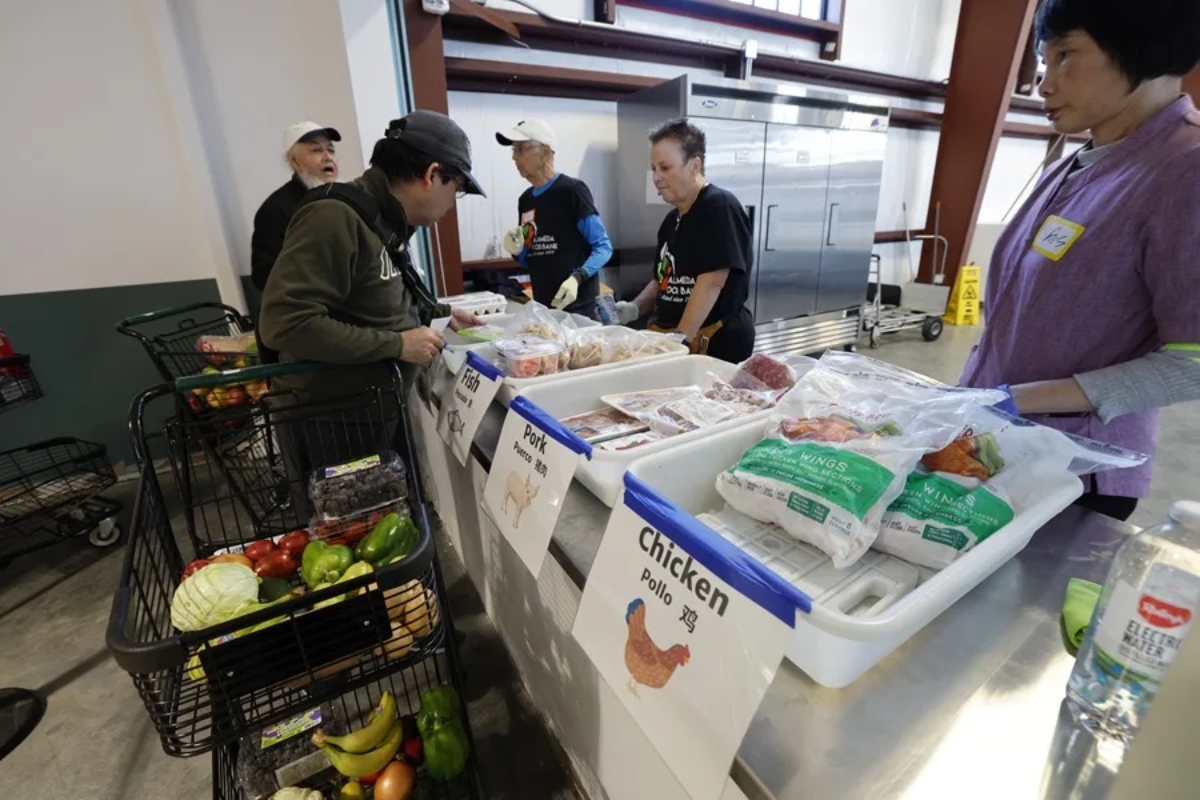
- U.S. Uses SNAP Emergency Fund
- Half of Food Subsidies Covered
- Government Shutdown Continues to Hurt Families
According to EFE News, the U.S. government announced Monday that it will use the SNAP emergency fund (Supplemental Nutrition Assistance Program) to finance half of the food subsidies — a temporary measure aimed at easing the impact of the federal government shutdown.
The Department of Agriculture (USDA) confirmed it will draw on contingency funds to provide reduced benefits through November 2025, affecting millions of households dependent on food assistance.
In a declaration filed with a district court in Rhode Island, the USDA stated it “intends to exhaust the SNAP emergency funds and provide reduced benefits during November.”
The SNAP program, which serves about 12% of the U.S. population, benefits more than 42 million people. Its funding has been at risk since Saturday, when the government shutdown froze regular allocations.
SNAP Emergency Fund Will Cover Only Half
The U.S. will use the emergency fund to finance half of the food subsidies. https://t.co/nYQFe28TB2
— La Conexión (@laconexionusa) November 3, 2025
The Department of Justice confirmed that it “will fulfill its obligation to spend the entirety of the SNAP contingency funds.”
However, the fund currently holds $4.65 billion, enough to cover only about 50% of benefits for eligible families, according to the court filing.
This means there will be no available resources for new applicants, disaster-related emergencies, or a potential total suspension of the program, the department warned.
Federal judges ordered the government to submit a detailed report on how the funds are distributed and agreed that the money should be prioritized for the most urgent food needs.
SNAP: A Pillar of Federal Food Assistance

SNAP — known as the food stamps program — is one of the main pillars of the U.S. social assistance system, providing essential resources for millions of low-income individuals and families.
The USDA initially indicated it did not plan to use the SNAP emergency fund, but political pressure and judicial orders forced the agency to change its stance.
The government shutdown, now reaching 34 consecutive days, is close to tying the longest in modern U.S. history, caused by a standoff between Democrats and Republicans.
Although the use of contingency funds will ensure some continuity, the 50% benefit reduction threatens to worsen food insecurity for millions of households.
Government Shutdown Deepens Crisis and Political Tension

The debate over SNAP funding has become a symbol of political division in Washington.
Democrats have criticized the Trump administration for failing to secure the program’s stability and have pushed for a budget that maintains healthcare and social aid, including Obamacare subsidies.
Republicans, on the other hand, accuse Democrats of exploiting the crisis for political gain, claiming that liberals want to divert funds toward undocumented immigrants.
Meanwhile, millions of Americans wait for the Senate to reach an agreement to reopen the government, though analysts see little chance of progress after thirteen failed votes.
Millions of Americans Face Food Insecurity
Humanitarian organizations have warned that subsidy cuts could trigger a surge in hunger nationwide.
Feeding America, a network representing over 200 food banks, cautioned that the reduction in funds “will increase pressure on local communities.”
USDA officials confirmed they are working with state governments to prioritize households with children and seniors, though they admit the remaining resources will be exhausted quickly if the shutdown persists.
Uncertainty continues to grow as winter approaches and federal assistance programs remain frozen — leaving millions dependent on the SNAP emergency fund to meet their most basic needs.
 Related post