6 ways Hispanic artists have contributed to Grammy lore
Explore the influential impact of Latin Grammy performers, from breaking records to inspiring future generations.







- The impact of Latin Grammy performers.
- Hispanic artists are changemakers.
- We celebrate some memorable performances.
The influence of Hispanic artists on the Grammy Awards is a testament to the diverse and rich tapestry of global music culture.
These artists have not only brought their unique sounds to the world stage but have also played a pivotal role in shaping contemporary music.
Their contributions span across genres, from pop and rock to reggaeton and salsa, showcasing the versatility and richness of Hispanic musical heritage.
We celebrate the significant impact of Latin Grammy performers, highlighting their achievements and the cultural richness they bring to the music industry.
1. Breaking barriers and setting records
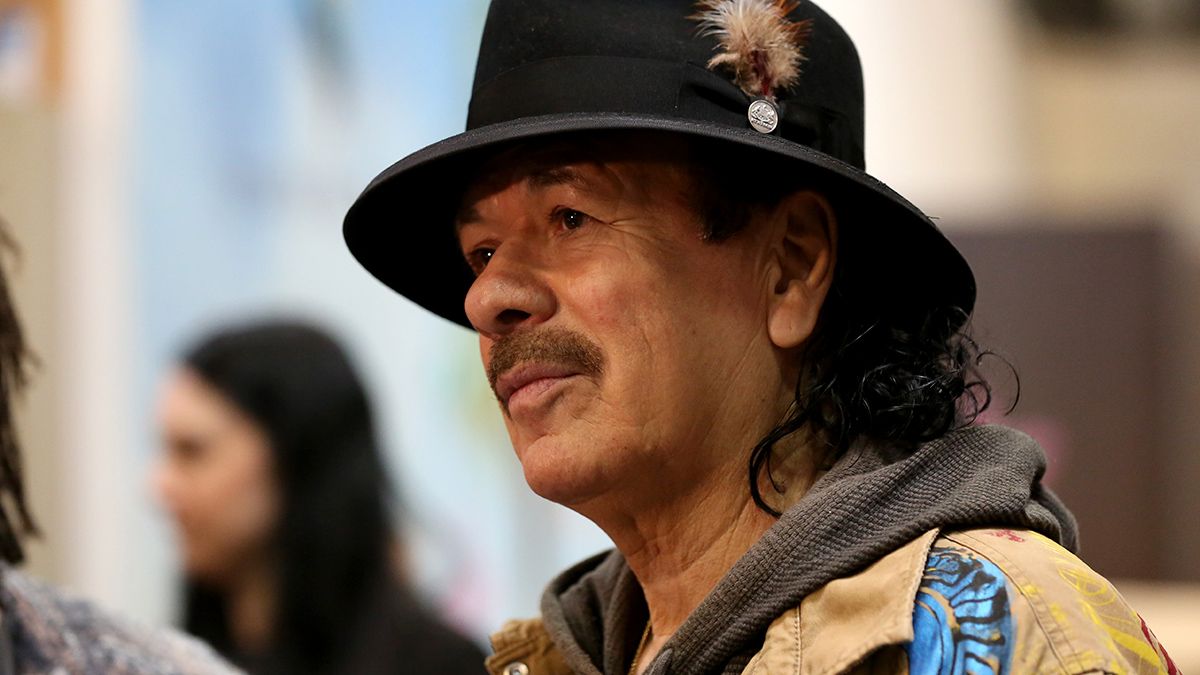
Latin Grammy performers have been breaking barriers and setting records for decades, symbolizing their growing influence in the music industry.
One of the most notable examples is Carlos Santana’s historic win at the 2000 Grammy Awards, where his album Supernatural won nine awards, tying the record for most wins in a single night.
Other artists like Shakira and Ricky Martin have also made their mark, winning several Grammys and bringing Latin pop into the mainstream.
These achievements not only highlight the exceptional talent of these artists but also underscore the increasing recognition of Hispanic music in the global music scene.
2. Pioneering Latin Grammy performers

Hispanic artists have been instrumental in introducing and popularizing various music genres at the Grammy Awards.
Artists like Gloria Estefan and the Miami Sound Machine were pioneers in bringing Latin-infused sounds to a broader audience, blending traditional Latin rhythms with mainstream pop.
The late Tito Puente, often referred to as the ‘King of Latin Music,’ was influential in popularizing Latin jazz and salsa, earning several Grammys throughout his career.
These artists have opened doors for future generations, paving the way for diverse musical expressions and genres at the Grammys.
3. Innovative collaborations and cross-genre fusion

Collaborations between Hispanic artists and musicians from other cultures have led to innovative and groundbreaking performances at the Grammy Awards.
These collaborations have not only bridged cultural gaps but have also created unique musical fusions, blending different genres and styles.
For instance, Latin Grammy performers Puerto Rican duo Calle 13 and the American string quartet Kronos Quartet was a remarkable blend of Latin rhythms and classical music.
Such collaborations reflect the evolving nature of music, showcasing how Hispanic artists are at the forefront of cross-cultural musical innovation.
4. Impact on the Latin Grammy Awards

The influence of Hispanic artists led to the creation of the Latin Grammy Awards in 2000, a separate ceremony to recognize outstanding achievements in the Latin music industry.
This event highlights the diversity within the Hispanic musical community, featuring categories that encompass various genres and styles unique to Latin music.
Artists like Juanes, Rosalía, and Bad Bunny have received numerous accolades, highlighting the dynamic and evolving nature of Latin music.
The Latin Grammy Awards serve as a platform to celebrate the richness of Hispanic music, recognizing the contributions of artists who have shaped the musical landscape.
5. Latin Grammy performers as cultural ambassadors

Hispanic Grammy winners often serve as cultural ambassadors, bringing the richness of Hispanic culture to a global audience.
Through their music and artistry, they share stories and experiences that resonate with people from different backgrounds, fostering cultural understanding and appreciation.
Artists like Selena, who posthumously received a Grammy, have left an indelible mark on the music industry, celebrating Hispanic heritage and inspiring future generations.
The role of these artists extends beyond entertainment — they are custodians of culture, bridging gaps and uniting people through the universal language of music.
6. Breaking stereotypes and promoting diversity

The presence and success of Lain Grammy performers challenge stereotypes and promote diversity in the music industry.
Their achievements demonstrate that music transcends language and cultural barriers, appealing to a universal audience.
Artists like Marc Anthony and Jennifer Lopez have been influential in changing perceptions and showcasing the multifaceted nature of Hispanic music.
Their contributions help to create a more inclusive and diverse musical landscape, reflecting the changing demographics and tastes of the global audience.
 Related post