What are the presidential candidates’ positions on healthcare?







Posted on 05/09/24 at 15:21
- A look at the presidential candidates’ healthcare policies.
- Biden is focused on prescription drug costs.
- Would Trump double down on anti-abortion laws?
As the presidential race heats up, healthcare remains a pivotal issue, influencing voters’ choices and shaping the national debate.
The candidates have differing views on how best to manage America’s healthcare system, reflecting their broader political ideologies.
We’ll look at how Joe Biden and Donald Trump are approaching this issue, focusing on their plans to address the healthcare affordability, access and quality.
By comparing their positions, we aim to provide voters with a clear understanding of where each candidate stands on a topic that affects the well-being of every American.
President Joe Biden’s healthcare initiatives

President Joe Biden is continuing his efforts to build on the Affordable Care Act, focusing on reducing healthcare costs and expanding access.
According to Politico, his administration plans to introduce a new federal task force aimed at decreasing health care expenses by targeting drug pricing and health provider costs.
Additionally, Biden has been vocal about combating corporate practices that inflate prices unfairly, advocating for policies that promote competition and transparency.
In his 2023 State of the Union Address, he emphasized these initiatives, showcasing them as critical steps in making healthcare more affordable for Americans.
What about Donald Trump?
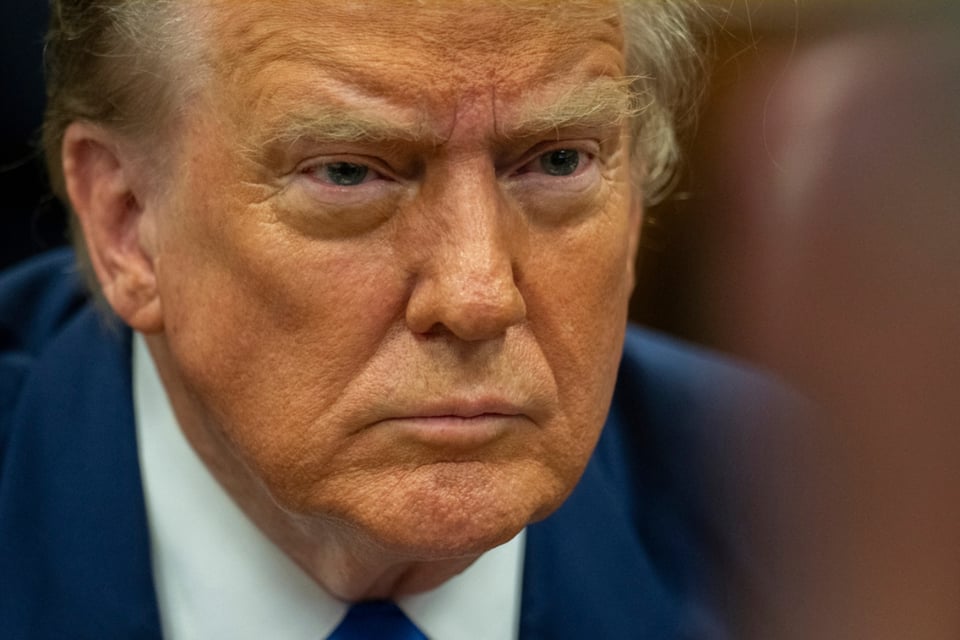
Former President Donald Trump has reiterated his intention to repeal and replace the Affordable Care Act, despite not providing a clear alternative during his previous term.
Trump’s healthcare rhetoric includes promises to lower drug prices and increase transparency in healthcare pricing, though specifics remain vague.
His administration made some headway in these areas, such as implementing the No Surprises Act to protect patients from unexpected medical bills.
According to NPR, if re-elected, Trump’s healthcare strategy appears to focus on deregulation and promoting competition, though his exact plans for replacing Obamacare are still undefined.
Evaluating the impact on costs

Both candidates assert that their policies will decrease healthcare costs, but their approaches differ significantly.
Biden’s method involves government intervention to regulate prices and increase competition, while Trump favors a more market-driven approach, arguing that less regulation will lead to lower prices and more choices for consumers.
The effectiveness of these strategies is widely debated, with supporters on each side pointing to different sets of outcomes as evidence of potential success.
Voters concerned about healthcare expenses will need to consider which approach they believe will be most effective based on past performance and future promises.
Future directions and voter influence

As healthcare continues to be a hot-button issue, the presidential candidates’ positions on healthcare will significantly influence voters.
Those in favor of a more structured approach to healthcare reform may lean towards Biden’s policy of building on existing laws to create a more regulated healthcare market.
In contrast, voters who prefer less government involvement might find Trump’s promises to reduce regulation and embrace market solutions more appealing, despite his inability to make progress on this during his first term.
As the election approaches, the candidates’ ability to articulate clear and effective healthcare strategies could be pivotal in swaying undecided voters.
Abortion access and women’s healthcare under Biden and Trump

The topic of abortion and women’s healthcare continues to be a deeply divisive issue in American politics, with the presidential candidates holding starkly different views.
President Joe Biden supports the preservation and expansion of women’s healthcare rights, including access to abortion.
His administration has opposed measures that restrict abortion access and has advocated for policies that ensure the continued availability of reproductive health services.
In contrast, former President Donald Trump has historically aligned with more restrictive policies, including appointing the Supreme Court justices who played a role in overturning Roe v. Wade.