Trump Eliminates Credit for Start-Stop System in Cars
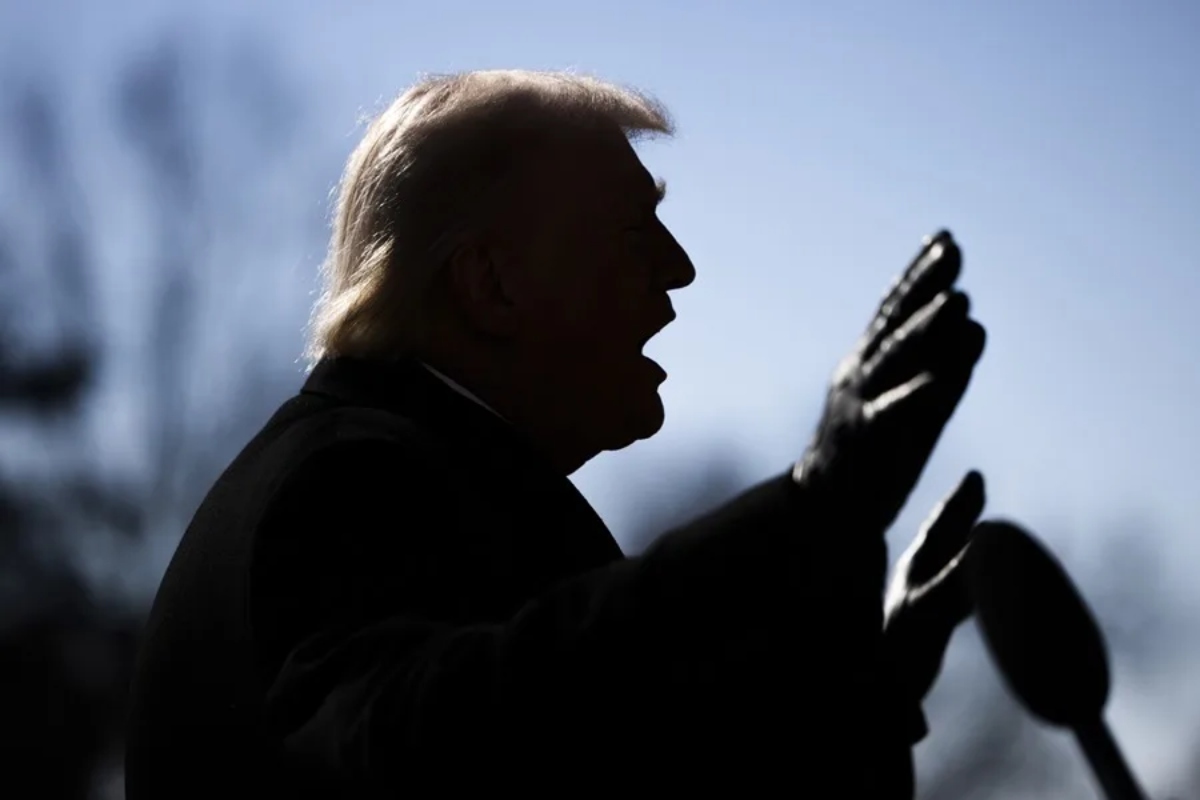
New emissions rules under Donald Trump eliminate the federal incentive for start-stop systems in vehicles.







Posted on 02/16/26 at 22:37
- Start-stop credit eliminated
- Trump reverses emissions standards
- EPA backs the move
According to USA TODAY, President Donald Trump announced the elimination of the federal credit that encouraged automakers to install automatic start-stop systems in vehicles, as part of a broader rollback of U.S. fuel economy standards.
The measure removes the incentive manufacturers received for installing start-stop buttons that shut off the engine when a vehicle is idling.
Trump stated that the decision represents a direct benefit for car buyers.
“They’re going to get a better car, a car that starts more easily, a car that runs better for much less money,” he said during an event at the White House.
The administrator of the Environmental Protection Agency (EPA), Lee Zeldin, described the move as “an added bonus” within the broader emissions rollback — a cornerstone of the Trump start-stop credit elimination.
Trump Eliminates Credit for Start-Stop System
Zeldin stated that the off-cycle credit for the “almost universally despised” start-stop feature has now been removed.
The new regulation does not require automakers to stop using start-stop technology if they choose to continue offering it.
However, the administration has eliminated the fuel economy incentive that helped drive its adoption over the past decade.
YOU MAY BE INTERESTED IN: Kristi Noem Announces Steel Purchase to Reinforce the Border Wall and Sheinbaum Responds: “We Build Bridges, Not Walls”
The system had previously been promoted as a tool to improve fuel efficiency and reduce emissions.
The technology shuts off the engine when the vehicle comes to a stop and restarts it when the driver resumes movement.
The Trump administration has framed the policy change as part of a broader effort to revise previous environmental standards.
Origins and Expansion of Automatic Start-Stop

One of the first vehicles to use an automatic on-off switch was the Toyota Crown in 1974, according to an article published at the time in Popular Science magazine.
Later, manufacturers such as Fiat and Volkswagen adopted the technology in the 1980s.
Decades later, during the 2010s, companies including BMW, Ford Motor Company, Honda, Hyundai, and Kia began implementing it more widely.
The expansion coincided with a 2012 decision by the EPA during the Obama administration to grant additional emissions credits for its use.
These incentives helped integrate the system into a broad range of vehicle models sold in the United States.
Over time, the feature became common across multiple vehicle segments.
Administration’s Criticism and Justification
The Trump administration has portrayed the start-stop system as a symbol of what it considers environmental regulatory overreach.
“In my travels across all 50 states last year, I heard from countless Americans who not only detest the start-stop feature but strongly advocate for this mechanism to become a thing of the past,” Zeldin said on February 12.
He added that many people find the function annoying and believe it drains car batteries without delivering significant environmental benefits.
“Automakers should not be forced to adopt or rewarded for technologies that are simply a climate participation trophy without measurable pollution reductions,” he said.
Transportation Secretary Sean Duffy stated that the administration is taking a comprehensive approach to making cars more affordable.
“Whether restoring mileage standards or abolishing a foolish start-stop requirement that drivers hate, President Trump’s automotive dream team is working overtime to reduce costs and revitalize American manufacturing,” he said.
Meanwhile, USA TODAY Cars analyzed the legacy of the start-stop system and the fuel efficiency performance of some manufacturers that popularized the feature, based on the most recent publicly available EPA data.
The Trump start-stop credit elimination marks a significant shift in federal automotive and environmental policy.
 Related post