Trump Wants to Send $2,000 Stimulus Checks Without Congressional Approval
The proposal for Trump $2,000 stimulus checks without Congress reignites debate over tariffs, public debt, and presidential authority.







- Trump Proposes Stimulus Checks Without Congressional Approval
- Tariffs Would Fund Direct Payments
- Legality of the Plan Remains in Question
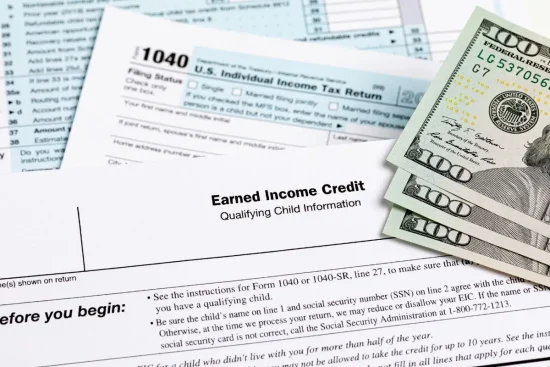
U.S. President Donald Trump surprised many once again with an unexpected statement—this time suggesting he could send stimulus checks without going through Congress.
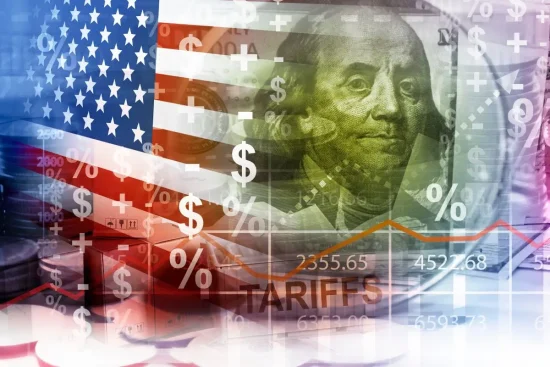
During a press conference at the White House, Trump spoke about issuing $2,000 refunds, which he said would be funded through revenue generated by tariffs.
The proposal marks a significant shift, as it is the first time he has openly suggested acting without legislative approval, according to The Center Square.
Trump’s Stimulus Checks: A Plan That Divides the White House
“I don’t think we have to go through Congress,” the president said. “But we’ll see,” he added while addressing reporters.
The idea sparked immediate reactions and even contradicts statements made weeks earlier by his own economic team.
Breaking News (translated from social media):
“Trump now says he will deliver $2,000 tariff dividend checks without congressional approval.” pic.twitter.com/qqylwoCAsx
— El Mercurio Ahora o Nunca (@elmercurioAON) January 21, 2026
Last month, Trump’s top economic adviser took a more cautious stance. Kevin Hassett said Congress should be involved in any payment scheme.
“I would expect the president to present a proposal to Congress,” he said at the time. That position now appears to have been abandoned.
Trump insists the checks would benefit low- and middle-income individuals, though he did not specify an income cutoff.
“We’ll be able to generate a very substantial dividend for the people,” he said, adding that he believes it can be done without legislative intervention.
Treasury Secretary Scott Bessent previously mentioned a possible threshold, suggesting eligibility could apply to those earning under $100,000 a year.
Even so, he made it clear that no final decision had been made. Details of the plan remain limited and unclear.
Are Tariffs Enough to Pay for Trump’s Stimulus Checks?
This is where one of the biggest questions arises: can tariff revenue really cover the cost of these payments?
According to estimates from the Tax Foundation, the expense would be massive—ranging from $279.8 billion to $606.8 billion.

The Committee for a Responsible Federal Budget is even more critical, arguing that the numbers simply do not add up.
If the program mirrors pandemic-era stimulus payments, it would cost around $600 billion—roughly double the projected tariff revenue.
Additionally, Trump has said he wants to use part of those funds to pay down debt. U.S. national debt currently exceeds $38 trillion.
This raises further questions about the real feasibility of the plan and what would be prioritized if funds fall short.
So Who Really Pays the Tariffs?
Another key issue is who actually bears the cost of tariffs. Trump has repeatedly claimed that foreign countries pay them.
However, a recent report challenges that assertion. The study was conducted by the Kiel Institute for the World Economy.
The analysis concludes that Americans pay nearly all the cost, as importers and consumers absorb the burden of the taxes.

This directly contradicts the president’s narrative and raises doubts about using tariff revenue as “dividends” for the public.
Despite this, Trump has made tariffs a central pillar of his agenda. In April 2025, he imposed duties of at least 10% on major trading partners.
The legality of those measures is still under dispute. The Supreme Court of the United States is currently evaluating whether the president has the authority to impose them.
You may also like: New Savings Option for Your Children! The Government Contributes the First $1,000
A Ruling That Could Change Everything
Several states and small businesses have taken the issue to court, arguing that the tariffs violate a 1977 law.
They prevailed in two lower courts, and the case is now before the Supreme Court.
The justices agreed to an expedited review, with a ruling expected before June—possibly even sooner.
That decision will be decisive for Trump’s proposal. Without tariffs, there would be no funding for stimulus checks.
For now, the idea continues to generate both anticipation and controversy: promises of fast money, but with many unresolved questions surrounding the Trump $2,000 stimulus checks.
 Related post