U.S. Sidesteps 15% Global Tax with New G7 Agreement
The United States avoids the global minimum tax through a new G7 deal that shields its multinational corporations.
Posted on 29/06/2025 at 02:54






Publicado el 29/06/2025 a las 02:54
- US Avoids OECD Tax
- G7 Backs Tax Agreement
- Trump Protects Domestic Multinationals
According to EFE, the United States has struck a strategic deal that excludes its companies from the OECD’s proposed 15% global minimum tax.
The announcement was made by Treasury Secretary Scott Bessent, who described the agreement as a defense of the nation’s fiscal interests.
In a series of social media posts, Bessent explained that the new understanding was reached after months of negotiations with G7 countries.
The agreement, in his words, prevents the so-called Pillar 2 of the OECD-G20 framework from applying to US multinationals.
Global Minimum Tax Put on Hold

This means that companies like Amazon, Google, or Apple will not have to pay the 15% minimum tax in the countries where they operate, as long as they are domiciled in the United States.
The measure was presented as an economic relief for the country, avoiding the loss of more than $100 billion, according to Treasury estimates.
Bessent also urged Congress to eliminate Section 899 from the ongoing tax bill, which would have allowed sanctions against countries adopting the tax.
The section had functioned as a pressure mechanism designed to dissuade other nations from imposing levies on American companies.
Trump Redraws the Fiscal Rulebook

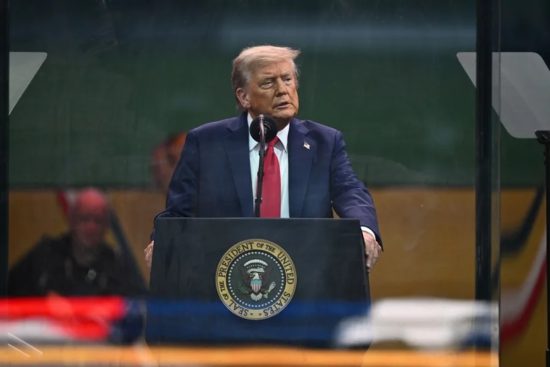
This move aligns with President Donald Trump’s stance, who since returning to the White House has embraced a protectionist approach.
On January 20, the day of his inauguration, Trump signed executive orders formalizing the US withdrawal from the OECD Global Tax Agreement.
That agreement, promoted by the Biden administration between 2021 and 2025, aimed to prevent countries from competing to offer low tax rates to major corporations.
The treaty included two pillars: the first proposed reallocating taxing rights based on where consumption occurs, and the second imposed a 15% minimum tax.
Criticism of the Rejection of the Global Minimum Tax

With the US withdrawal in February, the international legal framework was weakened, although European countries could still apply the tax unilaterally.
That threat is now neutralized with the new agreement between the US and the G7, which shields American companies from external tax burdens.
Bessent emphasized that this pact strengthens the country’s fiscal sovereignty in the face of what he considers extraterritorial and discriminatory measures.
In his words, the Trump administration “will not allow unequal tax conditions for American citizens and companies.”
 Related post