The Worst Economic Scenario for the U.S. Is Approaching—What Do Experts Say?
Experts warn of a worsening economic outlook, with signs of stagflation in the United States and rising costs continuing to pressure families.






Publicado el 09/12/2025 a las 20:04
- Economists anticipate the worst economic scenario for the US in 2026.
- High inflation and weak growth complicate Fed policy.
- Housing, wages, and tariffs push prices higher.
An analysis by the Royal Bank of Canada warns that the US economy could be heading toward a scenario of low growth and elevated inflation in 2026.
Experts note that 2025 is already shaping up to be a confusing year, marked by distorted data, trade tensions, and immigration policies that are affecting economic indicators.
Within that context, accumulated pressures make it difficult for the Federal Reserve to stimulate the economy without risking an even greater rise in prices.
Worst economic scenario for the US in 2026: What warning signs are concerning?
According to RBC analysts, the country could face its worst recent economic scenario: a period of persistent inflation combined with weak growth.
Core inflation would remain above 3% for much of the year—problematic because it limits the Fed’s ability to cut rates without further driving up prices.
Economists emphasize that wage growth is insufficient to offset the broader rise in prices.
In September, the average wage increased only 3.8% year-over-year, a pace that does not keep up with rising costs for essential services.
Stagflation in the United States: What is driving it?
The study identifies several factors reinforcing the risk of stagflation in the US According to Eric Gaus, Chief Economist at Dodge Construction Network, stagflation is a combination of a stagnant economy and high inflation levels.
Bad news for Trump: Experts say the U.S. economy has entered a stage of “premature stagflation.” https://t.co/VNEPfCcOsD
— EL ESPAÑOL (@elespanolcom) September 13, 2025
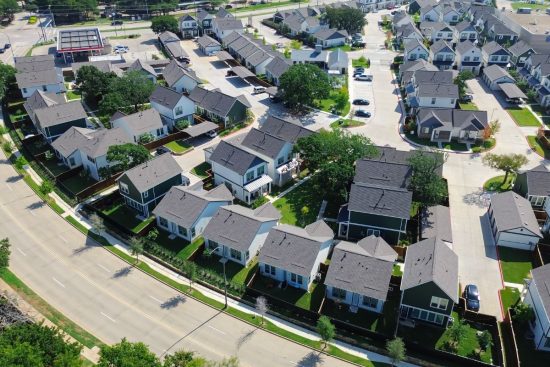
One major contributor to the US stagflation risks is the rising cost of housing.
- The Case-Shiller index recorded a 1.3% year-over-year increase, and the equivalent rent climbed 3.7%, pushing up service-based inflation.
Goods prices are also rising steadily.
- Goods inflation reached an annualized pace of 1.8% due to recovering demand and reciprocal tariffs imposed by President Trump. According to analysts, these tariffs will continue pushing prices higher in the coming years.
Another key factor is the surge in investment in data centers and AI technology.
- Although it boosts growth, RBC notes that it has not yet translated into productivity gains, meaning the economic benefits do not offset broader cost pressures.
How could this affect Latinos living in the United States?
A stagflation scenario directly affects Hispanic households.
With wages failing to keep pace with inflation, families may face increasing difficulty covering housing, utilities, and food.
Additionally, an uncertain economic environment makes it harder to access credit or finance small businesses.
What’s next?
The bank anticipates that 2026 could solidify this scenario if prices continue rising and economic growth remains stagnant.
For the Federal Reserve, it will be one of the most complex challenges of the past decade—an outcome central to the ongoing discussion about US stagflation risks.
 Related post