All About Vitiligo: Causes, Symptoms, and Available Treatments!
Discover what vitiligo is, what causes it, its symptoms, and which treatments can help you manage it with clear and useful information.
Posted on 15/12/2025 at 02:39






- Vitiligo Symptoms: How to Identify It
- Autoimmune and Genetic Causes
- Available Medical Treatments
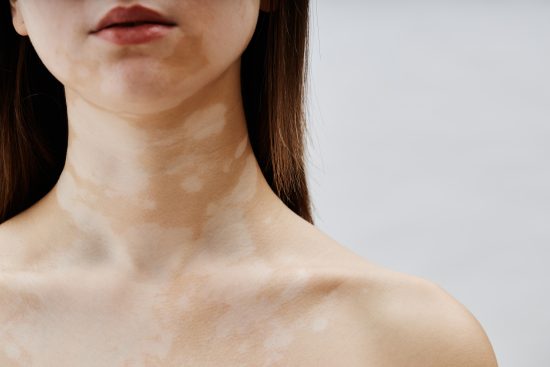
Vitiligo is a skin condition that draws attention due to the way it transforms skin tone, creating lighter areas that contrast with the rest of the body.
Although it does not represent a direct risk to health, it can raise concerns.
Understanding why it appears, how it progresses, and what options exist to manage it is key to approaching it with confidence.
What Is Vitiligo and How Does It Appear?

Vitiligo occurs when melanocytes—the cells responsible for producing melanin—stop functioning or are destroyed by the immune system.
Without melanin, the skin loses its natural color and white or lighter patches appear.
These areas can develop anywhere on the body but often begin on the hands, forearms, feet, or face.
They can also affect hair, eyes, the inside of the mouth, or the genitals.
- Visible loss of pigment in the form of macules (less than 1 cm) or patches (larger than 1 cm).
- Hair near affected areas may turn white or silver.
- It does not hurt or itch, although some people experience itching before depigmentation.
- It is not contagious and can appear at any age, in any gender, and in all skin tones.
How to Identify It
Diagnosis usually begins with a very clear change: the appearance of whiter areas of skin. Medical observation is essential.
To recognize it, it is helpful to look for:
- White areas that do not tan.
- Patches that gradually increase in size.
- Loss of color in eyebrows, eyelashes, or beard.
- Changes in mucous membranes such as the lips or inside the nose.
A healthcare professional may use a Wood’s lamp to distinguish vitiligo from other conditions such as tinea versicolor, chemical leukoderma, pityriasis alba, or albinism.
Types of Vitiligo
- Generalized: the most common type; patches appear on different parts of the body.
- Segmental: affects only one side or area of the body and often stops after one or two years.
- Focal: small, isolated patches that do not expand for long periods.
- Universal: more than 80% of the body loses pigment.
- Mucosal: appears in the mouth or genitals.
- Trichrome: a central white patch surrounded by intermediate shades.
- Progression can be slow or rapid.
Vitiligo does not behave the same way in everyone.
Some patches remain stable for years, while others may spread or change shape.
Why Does Vitiligo Appear?

Although there is no single cause, several factors have been identified that influence its development.
The lack of melanin occurs because melanocytes stop functioning properly.
- Autoimmunity: the immune system mistakenly attacks melanocytes.
- Genetic changes: about 30% of cases have a hereditary component.
- Physical or emotional stress: can alter cellular function.
- Skin injuries: burns, cuts, or trauma may trigger it.
- Chemical exposure or intense sun exposure.
- History of autoimmune disorders such as lupus, type 1 diabetes, thyroid disease, psoriasis, or pernicious anemia.
These elements are central to understanding vitiligo causes, symptoms, and treatments.
Most Common Vitiligo Symptoms and Possible Complications
The main symptom is depigmentation, but some people may experience additional changes:
- White patches on the skin that contrast with natural tone.
- White hair in affected areas.
- Loss of color in eyebrows, eyelashes, or beard.
- Spots inside the mouth or nose.
In less common cases, eye inflammation or changes in hearing may occur.
Available Treatments for Vitiligo
Not all patients require treatment.
However, several options are available under medical supervision.
- Topical medications such as corticosteroids, JAK inhibitors, or calcineurin inhibitors, which help restore pigment or slow depigmentation.
- Phototherapy with UVB light or PUVA, used in repeated sessions to stimulate melanocytes.
- Depigmentation therapy, recommended only in extensive cases, to even out skin tone by lightening unaffected areas.
- Surgery, mainly skin grafts or blister grafting, useful in stable cases.
Prevention and Skin Care
There is no guaranteed way to prevent vitiligo, but risks can be reduced and skin can be protected.
- Use broad-spectrum sunscreen daily.
- Avoid sunburns and prolonged sun exposure.
- Keep skin moisturized with hydrating creams.
- Reduce emotional and physical stress.
- Treat associated autoimmune conditions promptly.
When to See a Specialist

It is recommended to consult a doctor when:
- White patches appear suddenly.
- Depigmentation spreads rapidly.
- There is emotional distress due to skin changes.
- You wish to explore treatments to repigment or even out skin tone.
Living with vitiligo can raise concerns, but understanding what is happening in your skin helps you make calmer, more informed decisions about vitiligo causes, symptoms, and treatments.
You May Be Interested In: 10 Curious Things Your Body Does—and No One Ever Told You What They’re For!
Disclaimer: This information is for educational purposes only and does not replace evaluation by a healthcare professional. Consult your doctor.
Have you noticed recent changes in your skin?
SOURCE: Cleveland Clinic / Pfizer – Medical Information on Vitiligo
 Related post