Winter 2025–2026: Meteorologists Predict a Winter Shaped by La Niña, Cold in the North and Drought in the South
Meteorologists anticipate a winter of sharp contrasts in 2025-2026: Arctic cold in the north and an increased risk of severe storms.
Posted on 14/11/2025 at 17:31






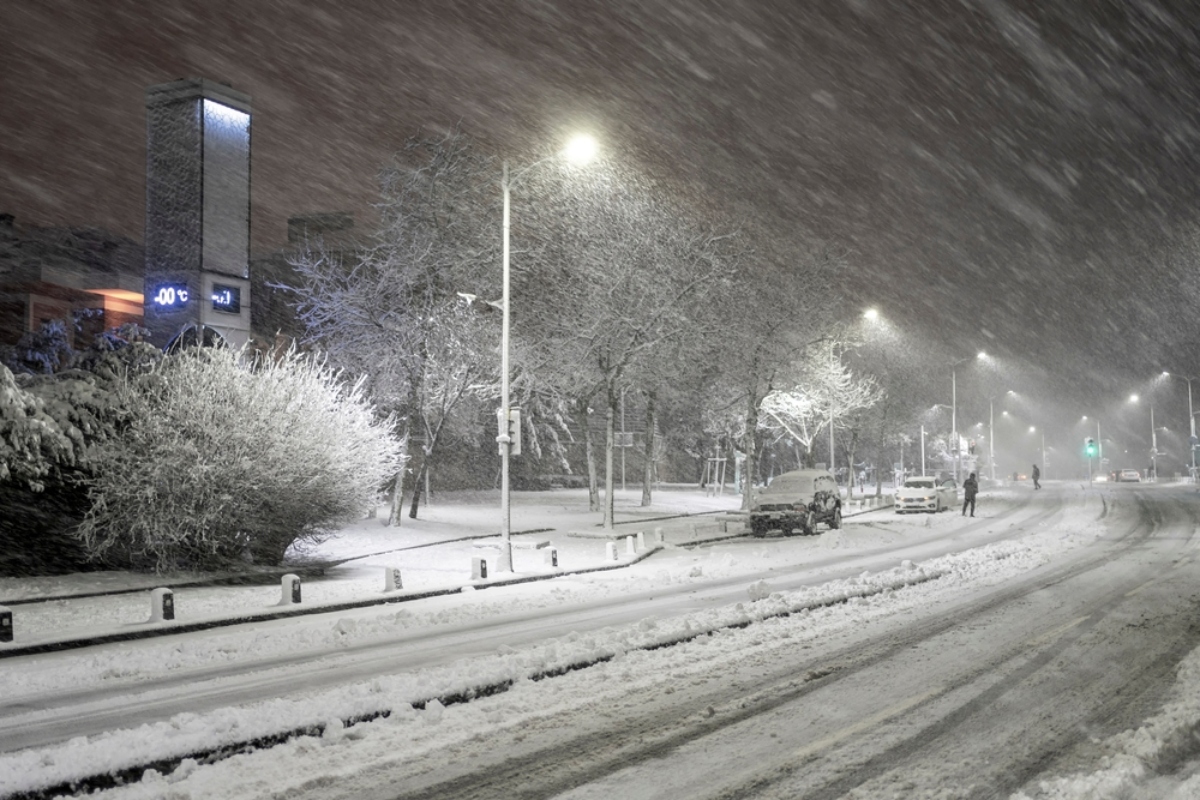
- Winter 2025–2026 in the US
- Intense cold in the north
- Risk of winter tornadoes
The winter of 2025–2026 in the United States will be dominated by the La Niña phenomenon, accompanied by a series of atmospheric conditions that could generate extreme contrasts: intense cold in the north, prolonged drought in the south, and a heightened risk of severe storms in the country’s central regions.
According to the forecast released on November 5 by meteorologists from AEM and WeatherBug, the weak La Niña pattern will be the most influential factor during December, January, and February.
Meteorologist Kyle Leahy explained that this phenomenon, characterized by cooler ocean temperatures in the equatorial Pacific, “will reach its peak in late fall or early winter and trend toward neutrality toward the end of the season.”
La Niña typically brings wet, cold winters to the Northwest, while in the South it produces warmer and drier-than-usual conditions—a pattern expected to repeat this year, though with important variations.
Intense Cold in the Northern and Central US

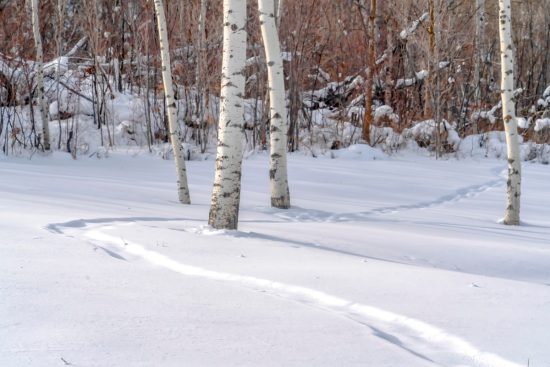
The US winter forecast indicates that Arctic air masses will descend from Canada into the central and northern United States, causing below-average temperatures across the Great Plains, Midwest, and Great Lakes.
The Northeast, including New York and Pennsylvania, will experience the coldest temperatures at the beginning of winter, while southern states such as Texas and Florida will see a milder season.
You may also like: Pacific Storm Threatens Torrential Rain and Snow in California as Major Travel Delays Loom
Leahy noted that “the clash zone between cold and warm regions—from the Plains to the Northeast—could see significant temperature fluctuations.”
These shifts could translate into intermittent winter storms and brief cold snaps, especially along the Appalachian corridor and the Ohio Valley.
Precipitation and Snow: An Active Winter Forecast in Northern US
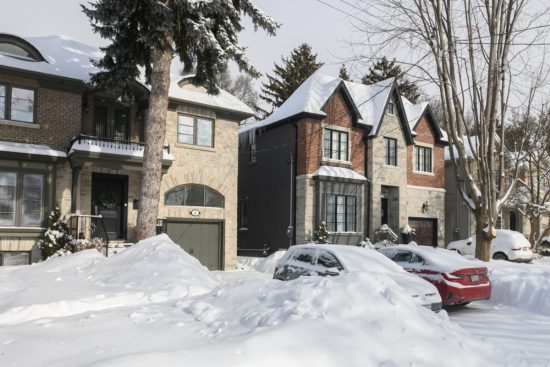
The AEM report predicts above-average precipitation in the Pacific Northwest, the Ohio Valley, and the Great Lakes region, where snowstorms will be frequent.
Mountainous areas of Montana, North Dakota, and northern Colorado may also register above-normal snowfall.
In contrast, the southern U.S. will face rainfall deficits, especially in Florida, California, and the Southwest, where drought conditions will worsen through the winter—consistent with the La Niña winter forecast.
Meteorologist Mark Paquette warned that “more than 70% of the country is in dry or drought conditions, a trend that could intensify eastward due to a weaker subtropical jet stream.”
Solar Influence and Siberian Snow Cover
Other natural factors will also play a key role this winter.
During the solar maximum of the current 11-year cycle, the polar vortex tends to remain at higher latitudes, reducing the likelihood of long-lasting cold fronts in the southern United States.
However, greater snow cover in Siberia could encourage more frequent cold-air intrusions, strengthening the typical La Niña pattern in the Northern Hemisphere.
“This expansion of snowpack can help cold air masses push farther south, increasing the chance of cold waves in the central US,” Paquette explained about this winter forecast.
Risk of Storms and Winter Tornadoes
The report also warns of a higher risk of severe weather during winter 2025-2026, particularly in the Mississippi, Ohio, and Tennessee Valleys.
During La Niña years, these states often see up to 125% more tornadoes than usual due to the clash between warm and cold air masses.
States such as Arkansas, Alabama, Illinois, and Michigan could experience storm outbreaks in December and January, when the atmosphere is more unstable.
Despite these risks, meteorologists emphasize that the winter will not be extremely long nor consistently cold.
By late February, the country may see a gradual return to more moderate temperatures, especially in the West and South.
A Winter of Contrasts Forecast in the US
In summary, the winter of 2025–2026 will bring a complex and varied scenario: cold and snow in the north, persistent drought in the south, and intense weather events in the center.
La Niña, reinforced by the Pacific Decadal Oscillation in its negative phase, will shape atmospheric behavior in the months ahead.
Meteorologists stress that climate models should be interpreted cautiously, as conditions can vary locally.
Even so, all signs point to a winter where nature will once again highlight the power of global patterns that shape the climate year after year, Weatherbug noted.
 Related post