Zombie Cells: What They Are, Why They Age Your Body, and How Science Is Trying to Stop Them
Zombie cells influence aging and health. Discover why science is studying them and what they could mean for your future.
Posted on 07/02/2026 at 02:00






Publicado el 07/02/2026 a las 02:00
- Silent cellular aging
- Inflammation and disease
- Science seeks to control them
Zombie cells are no longer a strange concept confined to laboratories.
Today, research from Mayo Clinic and reports by AARP show that these cells play a central role in aging and in many diseases that appear with age.
Although they are not dead, they no longer perform their normal function, and their accumulation can make the difference between healthy aging and one filled with complications.
Zombie Cells and the Aging of the Body

What Are Zombie Cells?
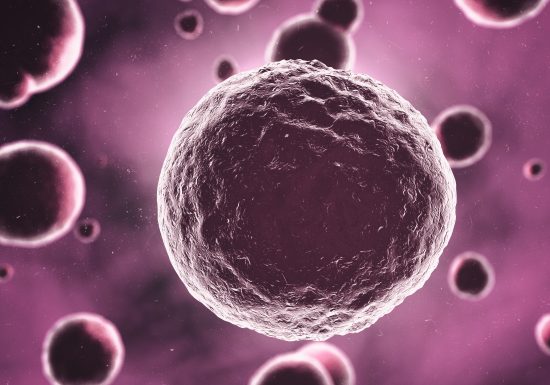
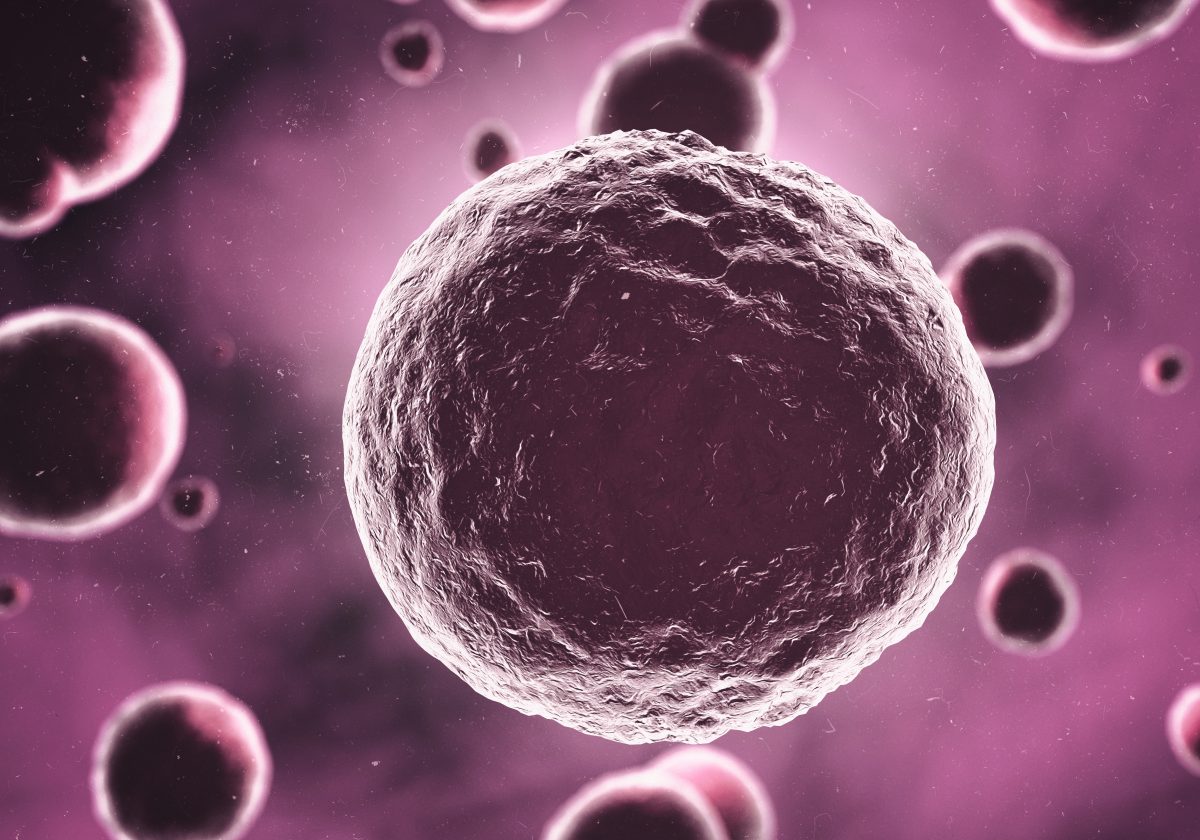
They are senescent cells: they remain alive, but they no longer divide.
The problem is that they continue releasing inflammatory molecules that damage the surrounding tissues.
When we are young, the immune system usually identifies and removes them.
As the years go by, that system loses effectiveness, and zombie cells begin to accumulate.
Why These Cells Affect Health With Age
Researchers at Mayo Clinic explain that the persistent presence of senescent cells is linked to common health problems in older adults.
Among the most frequent are:
- Arthritis
- High cholesterol
- Cardiovascular disease
- Certain types of cancer
In a study involving more than 1,900 people aged 65 and older, scientists observed that high levels of certain biomarkers released by zombie cells were associated with a higher risk of death, even beyond factors such as chronological age or sex.
Biomarkers That Reveal Cellular Aging
The study, published in Aging Cell, identified proteins such as GDF15, VEGFA, PARC, and MMP2, which circulate in the blood and reflect the burden of senescent cells in the body.
These biomarkers make it possible to estimate a person’s biological age and help explain why two individuals of the same age can age in very different ways.
An Unexpected Discovery Inside Zombie Cells
Another study by Mayo Clinic, published in Nature, revealed a previously unknown phenomenon.
Some mitochondria—the cell’s energy engines—attempt to activate apoptosis, a self-destruction mechanism.
In senescent cells, this attempt fails. As a result:
- Mitochondria release their DNA
- The cell identifies it as a threat
- A persistent inflammatory process is triggered
This inflammation can damage tissues and contribute to the development of age-related diseases.
Promising Results in Animal Models
When researchers blocked this process in mice with an age equivalent to a 70-year-old human, the results were clear.
The animals showed:
- Less tissue inflammation
- Better physical strength
- Improved balance
- Healthier bone structure
These findings suggest that intervening in zombie cell mechanisms could improve quality of life in old age.
Not All Zombie Cells Are Harmful
AARP highlights a key point: senescence also serves positive functions.
At certain stages, these cells help to:
- Stop the spread of tumors
- Facilitate wound healing
- Stimulate tissue repair through stem cells
For this reason, eliminating all zombie cells is not necessarily the solution.
The Great Scientific Challenge

The current challenge is identifying which senescent cells are harmful and which fulfill useful functions.
Recent research shows that there are different subtypes of zombie cells depending on the tissue in which they are found, and that some medications can target only certain types while leaving healthy cells intact.
The Role of Lifestyle
The studies cited indicate that factors such as regular exercise, a healthy diet, and proper rest can reduce senescence biomarkers.
In healthy older adults, physical activity is associated with a lower burden of cellular inflammation.
Why This Topic Matters Today
Research on zombie cells is advancing rapidly.
Understanding how to control them could transform the way aging is approached—not to live longer, but to live healthier.
Zombie cells are no longer just a scientific curiosity, but a key piece in understanding why aging does not affect everyone the same way.
You may also like: What Is Lion’s Mane and Why Is It Trending in the Wellness World?
Findings from Mayo Clinic and coverage by AARP show that these cells influence inflammation, the onset of disease, and the loss of function with age, while also serving necessary roles at certain times.
The challenge now is learning how to control them precisely, distinguishing those that damage the body from those that help repair it—within a field of research that could redefine how people age and how health is cared for in the coming decades.
Do you think that in the future it will be possible to slow down aging by controlling zombie cells, or do you believe that lifestyle will continue to be the most decisive factor?
SOURCE: Mayo Clinic / AARP
 Related post