Birthright citizenship endures and so does the American promise







Publicado el 29/07/2026 a las 12:24
- Birthright citizenship endures
- Supreme Court decision
- Trump’s executive order
My father left Panama as an adult and arrived in the United States, where he had to rebuild his life from nothing starting over in construction. He worked his way up, learning new skills and a new language at the same time.
My grandmother came from Honduras on a work visa, spending nearly two years separated from her children before she could finally bring her family back together. My mother was only 13 when she came to the United States.
They left behind careers, language, and home in pursuit of opportunity.
Years later, after building new lives on their own, my parents met in Miami and started a family. Because I was born here, I am an American citizen, both by law and by principle.
That’s why the Supreme Court’s ruling on June 30 felt very personal to me and to many other Latinos and immigrant families across the country. And beyond the Court’s decision, the reaction from the people it affects will stay with me for a long time.
What the case was about
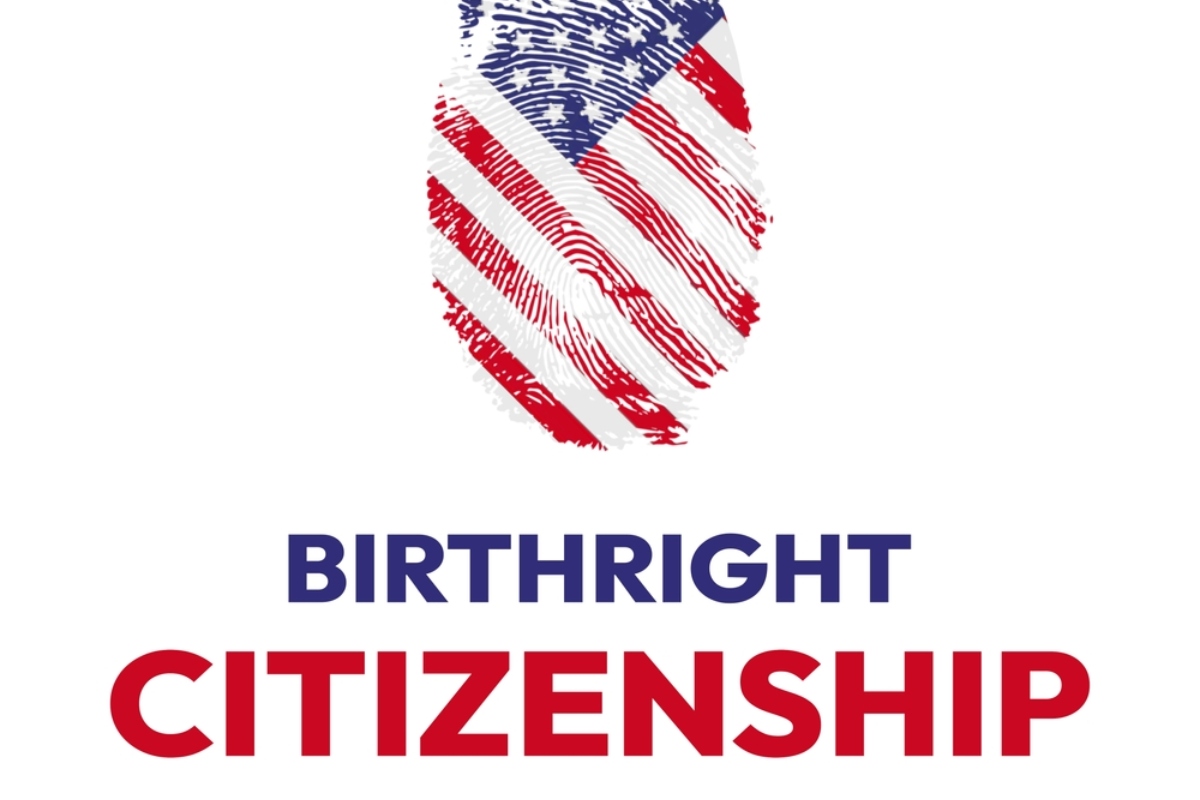
Trump’s executive order, signed in January 2025, directed federal agencies to stop recognizing citizenship for children born in the U.S. if neither parent was a citizen or lawful permanent resident.
Lower courts blocked the order almost immediately, and the case moved quickly to the Supreme Court.
YOU MAY ALSO LIKE: What to Know About Minnesota’s 2026 Governor Race
The question at the center of it was whether the Fourteenth Amendment’s Citizenship Clause – «born or naturalized in the United States, and subject to the jurisdiction thereof» – means what it has been understood to mean since 1868: that birth on U.S. soil confers citizenship, regardless of a parent’s status.
- The decision
- The Supreme Court decided Trump v. Barbara by a 6-3 vote. Chief Justice John Roberts, writing for the majority, said that children born in the United States to parents who are here unlawfully or temporarily are citizens at birth under the Constitution.
Why it matters
By overturning President Trump’s executive order that tried to limit birthright citizenship, the Court protected not just the Fourteenth Amendment’s words, but also a principle that has shaped our country for over 150 years:
If you are born on American soil, you are an American.
In my view, President Trump’s executive order was never about punishing adults alone. It would have punished children for circumstances entirely outside their control.
Many people don’t realize that this proposal would have affected more than just undocumented immigrants. It also targeted families who followed the law, came here on work or student visas, and built their lives while helping our communities. Their children, even though they were born in America, would have been denied citizenship under the executive order.
A powerful reaction
I believe the Court made the right choice in upholding birthright citizenship. But what really resonated with me most was how the public reacted.
In the hours after the ruling, I saw across social media as families embraced one another, cried, prayed, and celebrated. They were not celebrating a new right. They were just glad that an old one was still there.
Ver esta publicación en Instagram
What does this means:
A right that has been in the Constitution for over a century should not make people feel overjoyed just because it has survived.
Birthright citizenship is one of the clearest expressions of what it means to be American. It tells every child born here that their place in this country does not depend on their parents’ immigration status, wealth, or background. It depends only on the Constitution, which states that if you are born here, you start life as an equal citizen.
As citizens of the United States, we have a responsibility to ensure that no child grows up questioning that promise.
Let this be the last generation forced to ask whether they truly belong in the country they call home.