Mario Guevara Denies ICE Claims, Says He Feels Betrayed by Republicans, and Laments His Family’s Pain







Posted on 05/25/26 at 14:32
- Mario Guevara Denies Official Lies About His Status
- He Feels Betrayed by the Republican Party
- He Laments His Mother’s Severe Depression
Mario Guevara denies ICE claims. One year after his detention in Atlanta by ICE, renowned Salvadoran journalist Mario Guevara opened his heart in an exclusive interview with MundoNOW, making powerful revelations that tear down the official versions of events.
From his exile in El Salvador, the Emmy Award winner lashed out at the conservative political ideology he had sympathized with for so long, called the government’s claim that he was living undocumented in the United States a lie, and, moved by the severe psychological impact suffered by those around him, confessed that he would not expose himself again in front of immigration cameras out of love for his loved ones.
Mario Guevara’s Unbreakable Commitment to His Profession
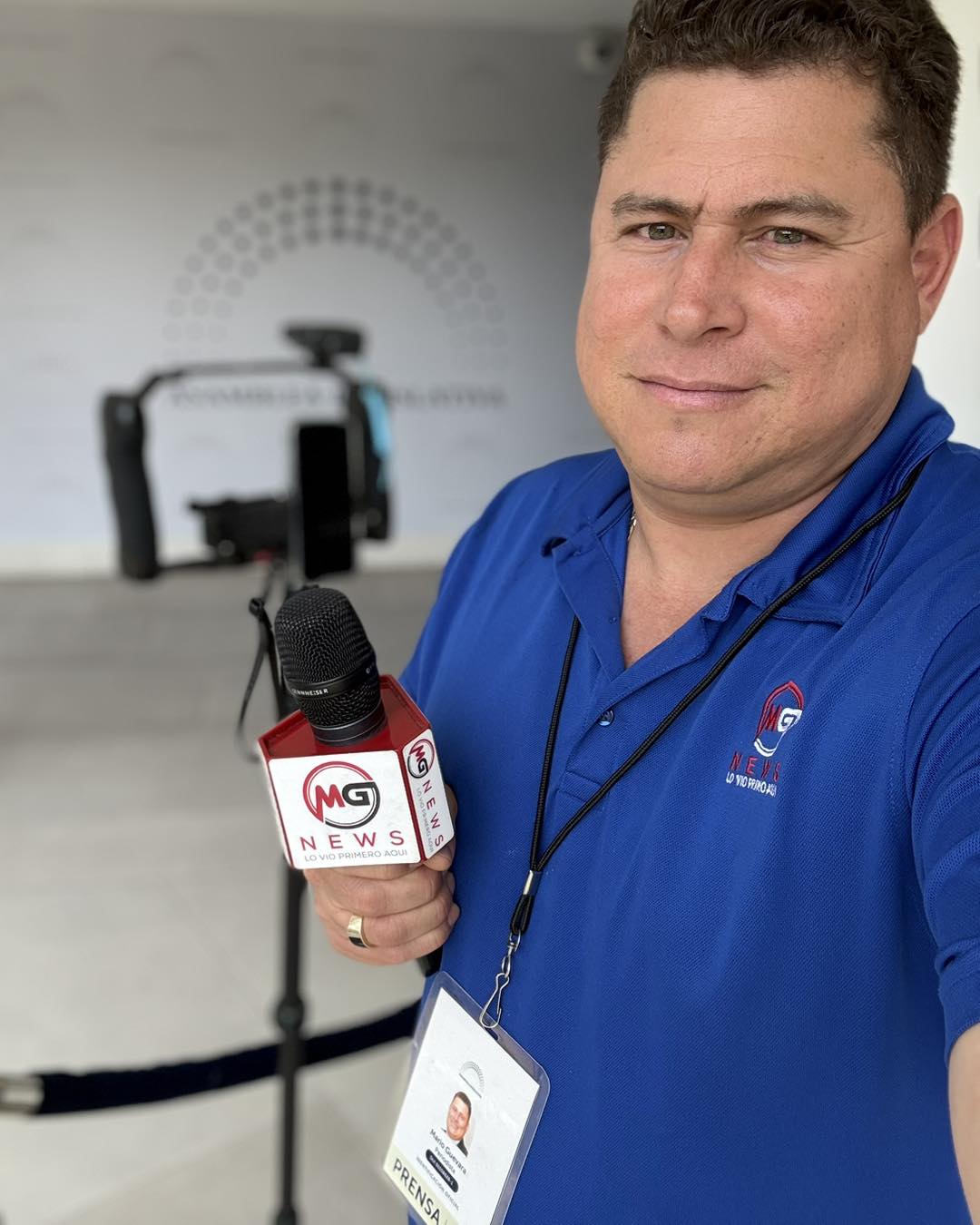
Despite the high price he paid, Mario Guevara says he never thought about abandoning his profession.
“Journalism is part of my life, Alonso. I truly could not live doing anything else. Journalism is my calling, and I was born for this,” he said. He currently continues reporting through his digital outlet, MG News, from El Salvador: “I continue doing journalism from another front.”
Regarding the future, Guevara announced an editorial project: “I am going to base the book on my personal experience. I am the first, and so far the only, journalist who has been deported, not just arrested. That gives me enough material for a book telling my story, the extortion, and the transfers.”
Gratitude Toward MundoNOW: “It Was My First Playing Field”
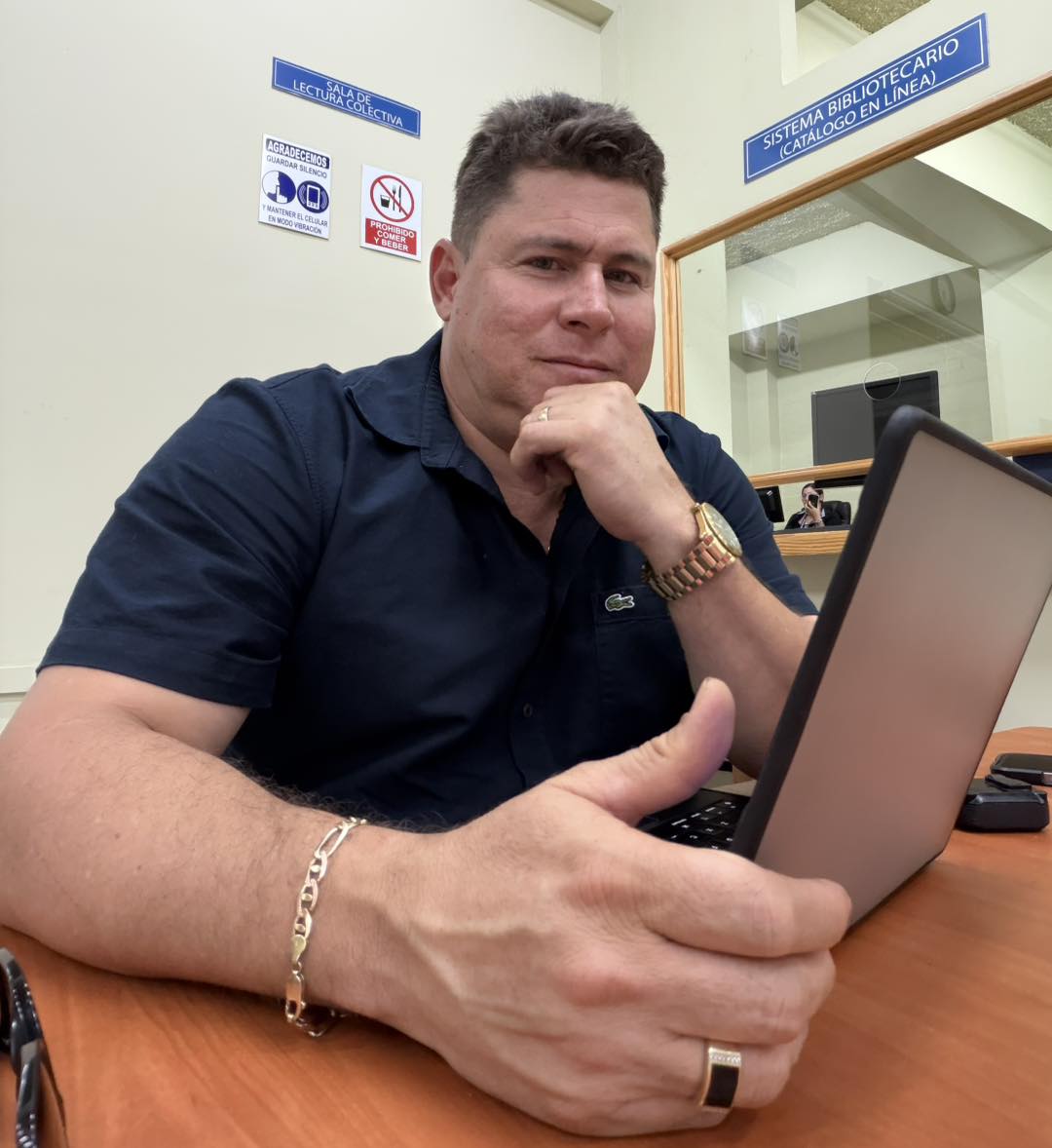
Finally, Mario Guevara offered words of deep gratitude to the media outlet where he grew professionally.
“MundoNOW was my playing field, my first playing field… Thanks to that outlet, I grew professionally and gained experience,” he recalled.
He highlighted the human support he received during family crises, such as his son’s illness: “They showed me compassion and love. That is why I will never speak badly about the outlet, because when I needed them most, they supported me.”
YOU MAY BE INTERESTED IN: Mario Guevara Breaks His Silence: His Life in El Salvador After Deportation and the Betrayal by U.S. Authorities
Mario Guevara Denies ICE Claims: The Truth About His Immigration Status Is “a Lie”
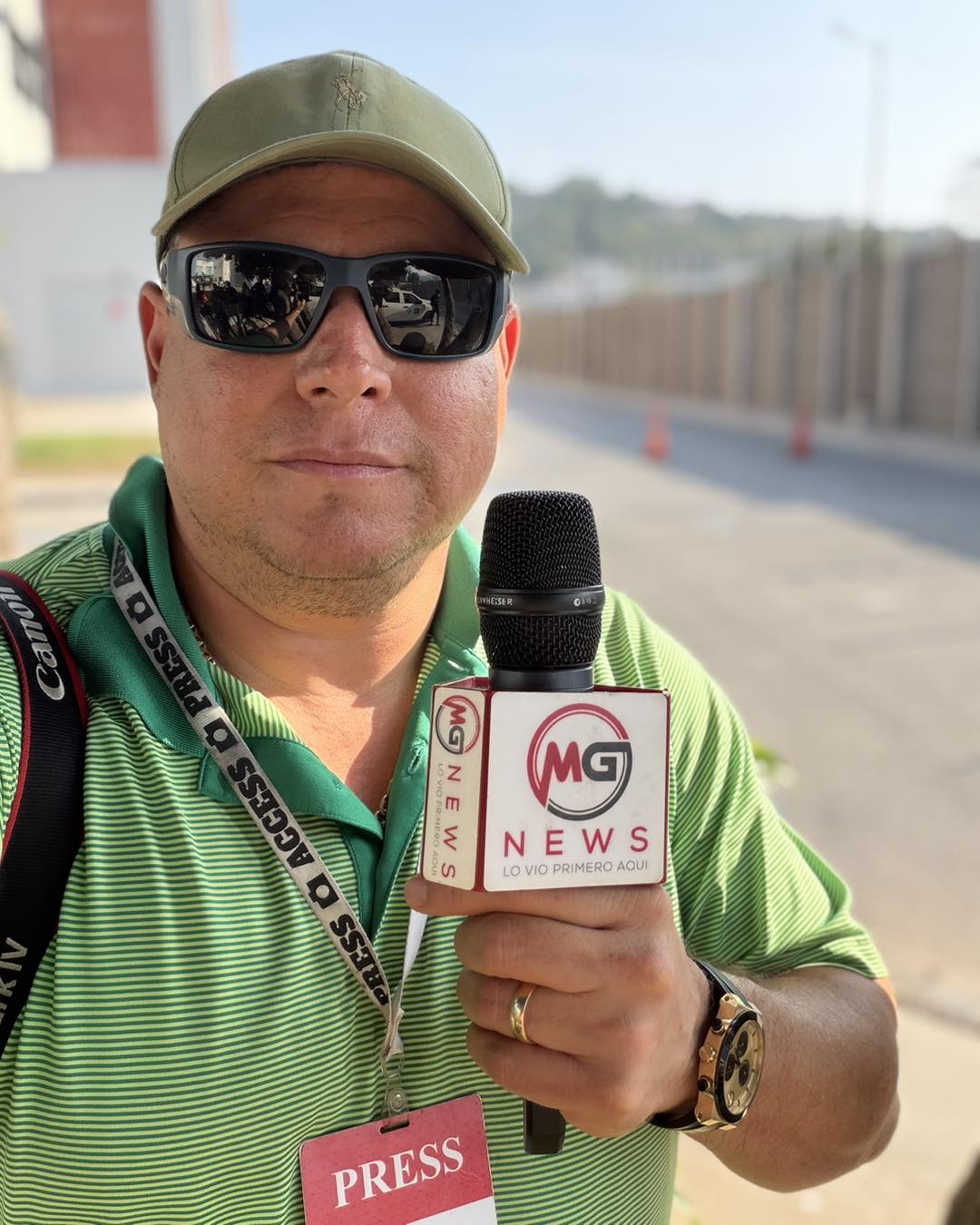
Mario Guevara denies ICE claims. During the interview, Mario Guevara was emphatic in clarifying the legal situation he was in before his detention, categorically rejecting the official versions.
“Yes, I had a work permit valid until 202… From time to time, immigration renewed my permit. My wife’s, my daughter’s, and mine, and well, we had everything in order. Basically, that story that we were in the country illegally is a lie,” he stated.
The reporter explained that, although they did not have permanent status, their stay was completely lawful and regulated, emphasizing that a work permit is a temporary legal status that can be revoked for committing crimes, a situation that, he stressed, was not his case.
The communicator reiterated that the seriousness of the incident that occurred during the protest was manipulated to harm him directly. According to his testimony, the initial criminal charges that led to his arrest were dismissed after a thorough review between his defense and judicial authorities. “When the prosecutors and my lawyers met and saw the evidence, they realized they had exaggerated things with me and that my arrest had been unjustified. They decided to drop the charges. Even so, they said, ‘No, we are not releasing you.’ Then you realize it was something personal, right? It was not because of crimes, it was not because of offenses, it was retaliation for my journalistic work. I stand by that, and I will continue to stand by it,” Mario Guevara said firmly.
His Family’s Pain and the Lesson Learned: “I Would Not Do It Again Out of Love for Them”
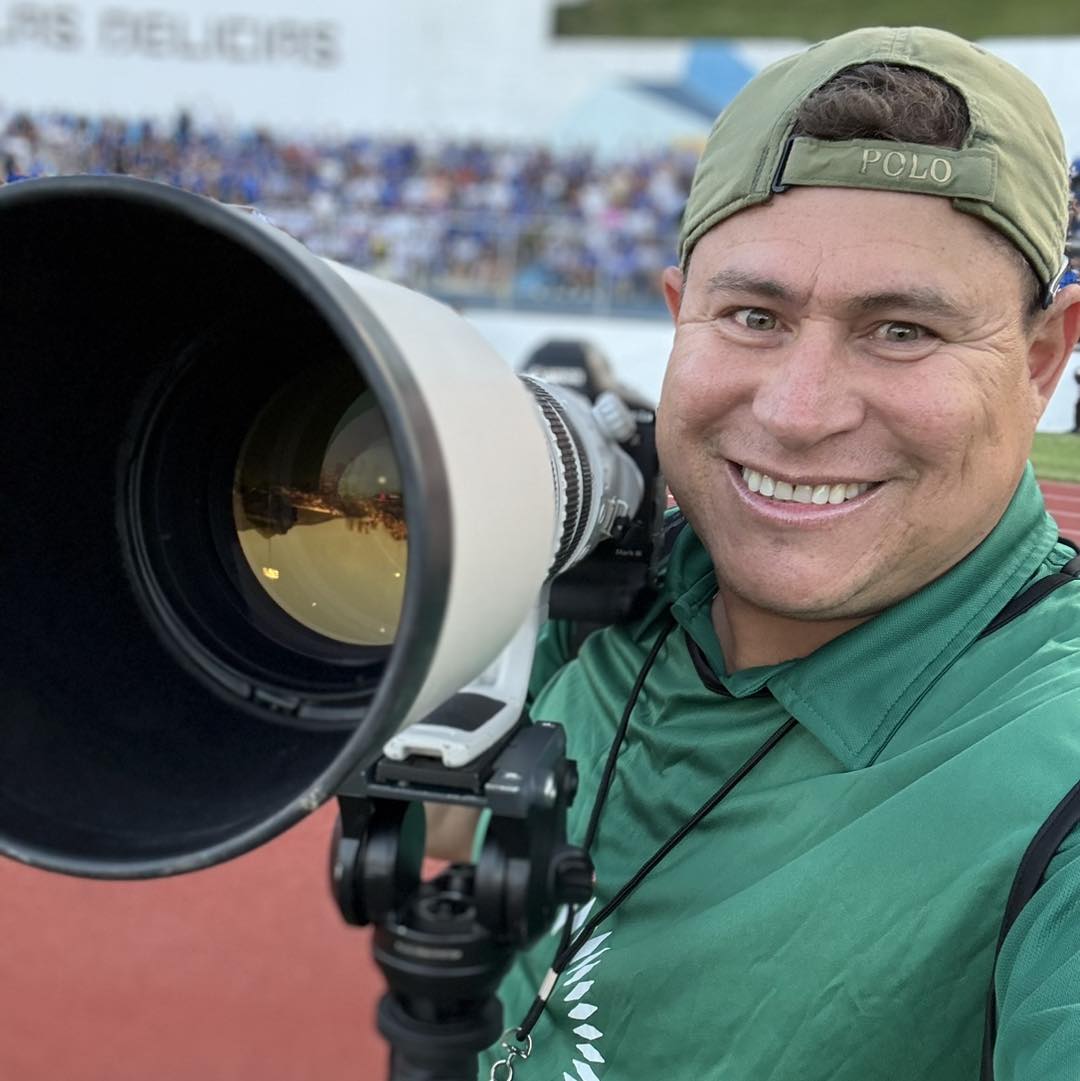
Reflecting on the events of June 14 and the strong impact this experience had on those closest to him, Mario Guevara admitted that guilt and the suffering of his loved ones would make him act differently if he had the chance to turn back time. “Maybe not, because I caused my family a lot of pain, Alonso. My family suffered a lot, my wife, my children, my mother—oh, my mother fell into depression—so I would not do it again out of love for them, I would not do it again,” he confessed with deep sadness.
The journalist said he would now prioritize protecting those around him and seek reporting alternatives that did not involve placing himself directly in front of immigration agency cameras, avoiding becoming a target of their hostility.
He also acknowledged that his main mistake was assuming that his professional credentials shielded him from government abuses despite not having U.S. citizenship.
“I would do something different, but I would not expose myself that way because I would not make the same mistake twice. I repeat, I was not a U.S. citizen. I believed that the Constitution, the Constitution of the United States, protected me because I was a journalist, even though I was not a citizen, but I was wrong, and that was my mistake. I paid a high price,” he concluded.