San Diego Mosque Shooting Reveals Massive Access to Weapons and Racial Hatred







Posted on 05/20/26 at 08:06
- FBI investigates hate crime
- Radicalization alarmed authorities
- More than 30 weapons seized
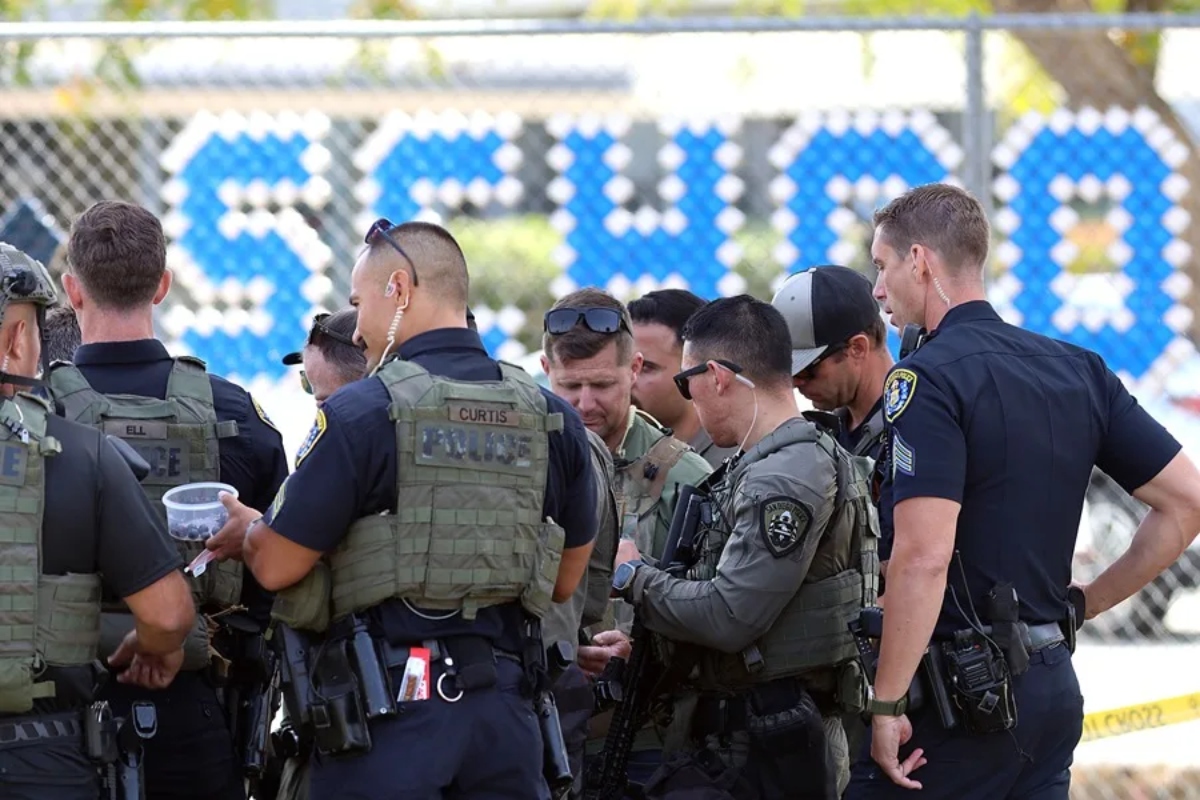
U.S. authorities are investigating the San Diego mosque shooting as a possible hate crime after the attack at the largest mosque in San Diego, California, left three people dead.
The FBI said the two suspects shared a “widespread hatred” toward different religions and races and apparently became radicalized online.
The attackers, ages 17 and 18, also reportedly had easy access to dozens of firearms.
The attack took place at the Islamic Center of San Diego and has raised concerns over growing online radicalization and hate-motivated violence.
Authorities identified the suspects as Cain Clark and Caleb Vázquez, according to sources cited by the Los Angeles Times.
FBI investigates radicalization and possible hate crime
According to EFE, investigators are focusing on how the teenagers became radicalized and what motivated the attack.
Mark Remily, the special agent in charge of the FBI’s San Diego office, said Tuesday that investigators discovered a document linked to the suspects.
According to officials, the writing contained hateful expressions directed at multiple races and religions.
Authorities declined to provide specific details about the manifesto or the ideologies expressed by the suspects.
However, Remily warned that both teenagers “did not discriminate when choosing who to hate.”
He also stated that the suspects apparently met online.
You may also like: Brutal Turkey Mass Shooting Leaves Six Dead and Triggers Massive Police Manhunt
Authorities later discovered that both lived in the San Diego area, a border region between California and Mexico.
The FBI believes they may have also become radicalized through online content.
“But I think even more importantly, how can we stop future attacks,” Remily said during the press conference.
Authorities continue investigating the radicalization process behind the San Diego mosque shooting.
More than 30 weapons were confiscated
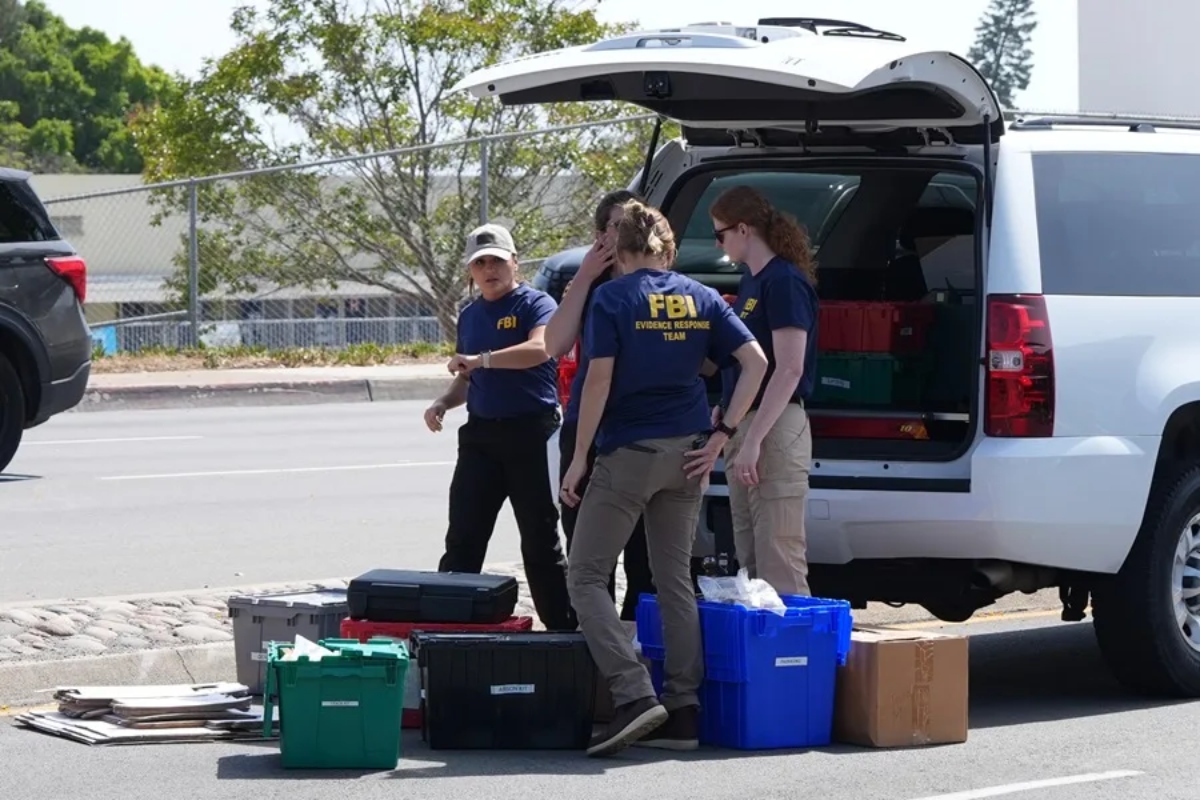
The investigation also revealed that the teenagers had access to a large number of weapons.
Authorities seized more than 30 firearms from three homes searched in San Diego.
Among the weapons recovered were pistols, shotguns, and a crossbow.
San Diego Police Chief Scott Wahl said the mother of the 17-year-old suspect alerted authorities after noticing her son, his vehicle, and three firearms were missing from the family home.
Wahl added that the teenager also left behind a suicide note.
According to authorities, the note included comments related to racial superiority.
The police chief did not rule out possible charges against the suspects’ parents.
That possibility was raised after questions from reporters during the press conference.
Victims helped stop the attack
Scott Wahl emphasized that the victims played a critical role in preventing an even greater tragedy.
The mosque also houses an elementary school.
Mansour Kaziha and Nader Awad were killed while trying to warn others about the armed attackers.
Security guard Amin Abdullah responded by firing at the suspects.
According to authorities, Abdullah managed to repel the attack inside the Islamic center.
The attackers later fled in a vehicle.
Police eventually found both suspects dead from apparent self-inflicted gunshot wounds.
Imam Taha Hassane described the victims as “pillars” of the community.
Hassane explained that the Islamic center had repeatedly received threats and hateful phone calls.
Even so, he said multiple security measures had already been implemented to protect the building.
“We have a perimeter fence, armed security guards, and surveillance cameras covering every corner,” he stated.
The religious leader admitted that despite previous threats, he never imagined an attack like the one that occurred Monday.