White House imposes new rules on the media







Posted on 02/27/25 at 07:44
- White House to Decide Which Journalists Can Question Trump
- White House Correspondents’ Association Loses Control Over Press Access
- Measure Raises Concerns About Press Freedom in the U.S.
The White House has announced new regulations for the media.
They shifted the power to select which journalists can ask President Donald Trump questions.
Previously, this role belonged to the White House Correspondents’ Association (WHCA).
The decision has sparked concerns among journalists and press organizations.
White House Imposes Restrictions on Presidential Coverage
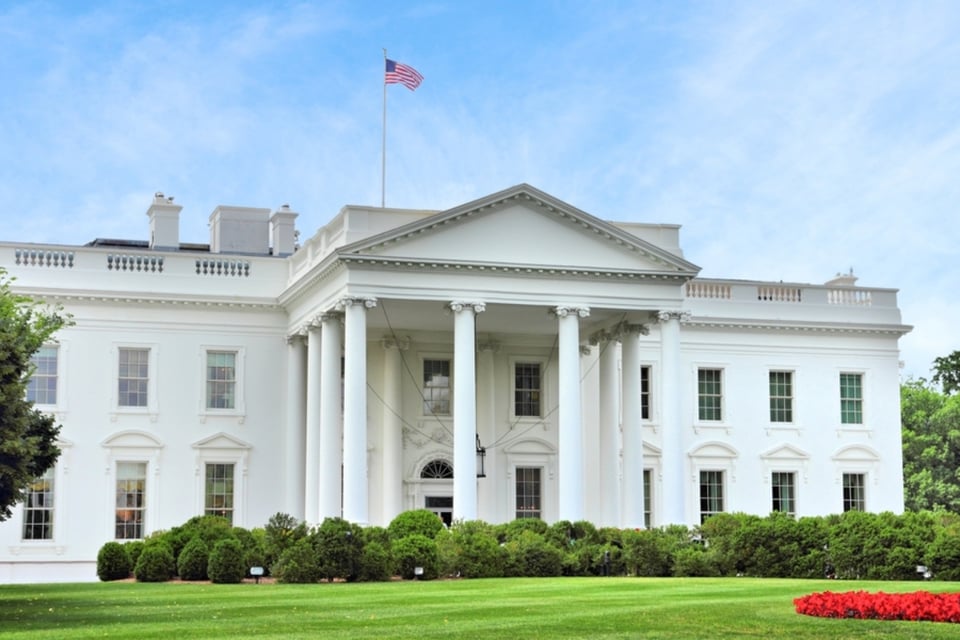
For nearly a century, the WHCA has managed media access to the White House.
The association was responsible for selecting the journalists who formed the presidential press pool.
YOU MAY BE INTERESTED IN: Republican-Led House Passes Budget Plan With $4.5 Billion Tax Cuts
This small group of reporters was tasked with following the president’s activities and relaying information to other media outlets.
Under the new policy, the Executive Branch will take full control over these decisions.
This change comes amid tensions between the White House and Associated Press (AP).
The Trump administration has banned AP from the press pool.
This, over the agency’s refusal to adopt the term «Gulf of America» instead of «Gulf of Mexico».
Since AP refused to use the new term, the White House excluded the agency from press questioning.
In response, AP filed a lawsuit, arguing that the restriction violates the First Amendment.
A judge ruled that the government can maintain the ban for now.
But recommended that the White House reconsider its stance.
The decision has intensified debates over the transparency of the Executive Branch.
It remains unclear how the new journalist selection process will be implemented.
Press organizations fear that this policy will lead to greater government control over presidential coverage.
The WHCA has voiced concerns regarding media independence.
Meanwhile, access to White House information remains a contested issue.
SOURCE: EFE
CLICK ON THE IMAGE TO LISTEN TO THE PODCAST WITH THIS AND OTHER NEWS