Are You Damaging Your Liver Without Realizing It? These 9 Habits Could Be the Cause







Posted on 06/29/26 at 21:38
- Avoid damaging your liver.
- Change habits in time.
- Prevent fatty liver disease.
Liver health often goes unnoticed until serious problems appear.
However, this organ performs essential functions for the body, such as filtering toxins, processing fats and sugars, storing nutrients, and supporting digestion.
Although the liver has a remarkable ability to regenerate, that recovery is not automatic and can be limited by daily habits that, over the years, encourage fat buildup, inflammation, and even more serious diseases.
More and more specialists warn that fatty liver disease has become one of the most common liver conditions.
The concern is that, in most cases, it causes no symptoms for years, and many people discover the problem only when the damage is already advanced.
The 9 worst habits for your liver health

You do not need to consume excessive amounts of alcohol to harm this organ.
Experts agree that several daily habits increase the risk of developing fatty liver disease, fibrosis, or cirrhosis.
1. Living a sedentary lifestyle
Exercise does not only help with weight loss.
It also improves how the body uses glucose and reduces fat buildup in the liver.
Research cited by AARP shows that even people who do not lose weight can reduce liver fat through resistance training and regular aerobic activity.
2. Taking supplements without medical supervision
Many products promoted as “detox” solutions can have the opposite effect.
Specialists warn that some supplements, especially concentrated turmeric and green tea extract products, have been linked to liver injuries when consumed in high doses.
They may also interact with other medications and increase the risk of toxicity.
3. Giving up coffee without a medical reason
Although coffee was questioned for years, current research suggests it may benefit liver health.
Studies cited by specialists indicate that drinking several cups per day, without excessive sugar or cream, may be associated with less liver stiffness and a lower risk of developing fat-related liver disease.
Sugar, alcohol, and processed foods take a toll.
Diet is one of the factors that most affects liver health.
When a person maintains a diet high in added sugars, sweetened beverages, and ultra-processed foods, the liver converts part of that excess into fat.
Among the eating habits that concern specialists the most are:
- Excessive sugary drinks.
- Frequent fast-food consumption.
- Ultra-processed foods.
- Sweets and industrial desserts.
- Excess unhealthy fats.
Research links these habits to a higher risk of fatty liver disease, fibrosis, cirrhosis, and even liver cancer.
4. Consuming too much sugar affects liver health
Excess sugar forces the liver to convert part of that intake into fat.
Over time, this can promote inflammation and scarring of liver tissue.
5. Drinking alcohol frequently
Although many people consider moderate consumption safe, more specialists now suggest that the less alcohol consumed, the better it is for liver health.
The good news is that stopping alcohol consumption can allow the organ to recover part of its function in many patients.
6. Building your diet around ultra-processed foods
Highly processed foods often contain large amounts of sodium, unhealthy fats, and added sugars.
Experts recommend replacing them with a Mediterranean-style diet rich in fruits, vegetables, whole grains, and lean proteins.
Silent diseases can also affect the liver.
Fatty liver disease often progresses without symptoms
That is why many patients discover the condition during a routine checkup or only after signs of fibrosis or cirrhosis appear.
According to specialists, the possibility of reversing damage depends on the stage at which the problem is detected.
Recovery is much more likely when there is only fat accumulation, known as simple steatosis.
If significant inflammation or permanent scarring develops, the possibility of recovery decreases considerably.
Factors that can make liver regeneration more difficult include:
- Overweight and obesity.
- Type 2 diabetes.
- Insulin resistance.
- High cholesterol and triglycerides.
- Polycystic ovary syndrome.
- Hormonal changes.
- Some medications with liver toxicity.
- Alcohol consumption.
Three more habits you should not ignore
In addition to diet and exercise, other daily behaviors can increase the risk of liver disease.
7. Not controlling diabetes or cholesterol
High glucose and cholesterol levels contribute to fat buildup in the liver.
Managing these metabolic conditions is part of preventing the progression of liver damage.
8. Not protecting yourself against hepatitis
Hepatitis A, B, and C can seriously affect the liver.
Specialists recommend staying up to date with vaccinations when appropriate and getting tested for hepatitis C at least once in adulthood.
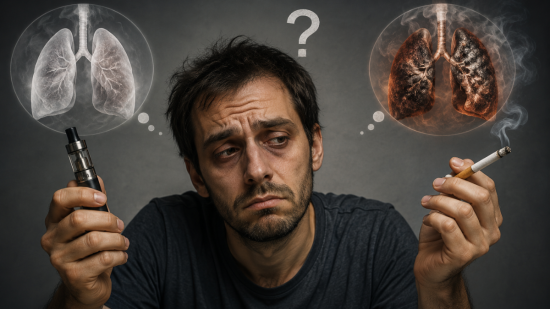
9. Smoking
Smoking does not only harm the lungs.
It also increases inflammation, promotes liver scarring, and raises the risk of liver cancer, especially in people who already have liver disease.
The good news

Many cases of fatty liver disease can improve if the condition is detected early and lasting lifestyle changes are made.
Maintaining a healthy weight, completing at least 150 minutes of physical activity per week, reducing sugar and ultra-processed foods, avoiding alcohol, and controlling conditions such as diabetes remain the main recommendations to protect one of the body’s most important organs.
You May Also Be Interested In: Do You Know Spirulina, the Superfood That Could Transform Your Health in a Short Time?
Warning: This article is for informational purposes only and does not replace evaluation by a doctor. If you have risk factors, family history, or abnormal laboratory results, consult a healthcare professional for proper diagnosis and treatment.
Notice: This article may contain affiliate links. If you make a purchase through them, we may receive a small commission at no additional cost to you.
Did you know about these habits that can damage the liver?
SOURCE: AARP / Clarín